
Environmental Pest Management

11975 Portland Ave, Suite 126 , Burnsville, MN 55337

Working Hours
Mon - Fri 8:00a to 4:00p

Call us
952-432-2221

How to Clean Your New Home to Prevent Bugs

AdobeStock 303099548

When you purchase a new home, it is one of the most exciting and exhilarating times you will ever experience. Whether it is your first time since buying a house or your fifth, it’s hard not to get swept up in the excitement. 

Unfortunately, as with any significant life transition, you will be forced to take the good with a measure of bad. Just because a home is new to you, it doesn’t mean you won’t inherit a few issues. 

The last thing a new homeowner wants to deal with is a pest problem. At Environmental Pest Management, we want to help you to prevent and overcome any potential pest problems. Let us walk you through some of the steps you can take to ensure your new home is pest-free.

Cockroach on toothbrush,Contagion the disease, Plague,Healthy,Home concept.

New Home Inspection

Before you close on the purchase of your new home, you should have two separate and distinct home inspections. You will need a basic home inspection and a WDO Inspection.

Basic Home Inspection

For this basic inspection, you will need to hire a licensed and qualified home inspector. This professional inspector will perform a thorough inspection of your potential new home. 

This inspection will show the structural condition of the home, with a specific focus on the plumbing, electrical, roofing, and HVAC systems. 

Additionally, the inspector will test all the appliances and check all the pipes and spaces under sinks for leaks. 

WDO Inspection

A WDO, or Wood Destroying Organisms Inspection, is more commonly known as a termite inspection. The more general term WDO is used because while termites are the most common wood-destroying organisms, they are not the only wood-destroying organisms. 

A qualified WDO inspector will be able to detect certain signs and symptoms that a typical home buyer will miss. 

On top of searching for an existing wood-destroying organism infestation, a certified inspector will be able to point out potential avenues for future infestations. You will be able to prepare for and prevent a possible problem before it arises. 

On average, termites and other wood-destroying organisms case over $5 billion in damage and repair costs each year. To avoid high costs and lengthy repairs, work to prevent termites and other pests from entering your home in the first place. 

Once you have purchased your new home, there are some proactive measures you can take to ensure a lower likelihood of infestation. Let’s go over a few now, room by room. 

AdobeStock 216542375 scaled

Kitchen

Many pests and rodents are attracted to the same food that you and your family enjoy. The most effective way to prevent pests is to limit their food supply.

Make a family rule that food stays in the kitchen and dining area only. The fewer areas where crumbs can accumulate, the less likely you will have an infestation throughout your entire home. 

Now that you are keeping food residue contained in a small area of your home, you must work to keep that area free of residue and debris. Clean your kitchen and dining room floors daily to avoid food build-up.

We recommend that you sweep every day and vacuum as much as possible, at least once a week. 

Any spills should be cleaned immediately. If any food or liquid accidentally spills under your furniture, make sure to move and clean under each piece to avoid attracting unwanted visitors. 

Pay special attention to your sink area. Be sure to wash dishes every day and do not leave a full sink to sit and stew overnight. 

Such a prize will be hard for pests to resist.

Make sure to take care of any slow or clogged drains right away. Remember, just like you, bugs and pests need water to survive. 

Pantries

The place where you store your food is particularly vulnerable to unwanted pests. People tend to overlook pantries and storage spaces when cleaning. 

Make sure you wipe down bottles and containers after you use them. This step is especially crucial with sticky products, like honey or syrup. 

All of your food and ingredients should be stored appropriately. Invest in some good, high-quality storage containers. Look for products that are airtight and easy to seal. 

Keep an eye on all of your fruits and vegetables. Make sure to throw out or compost any products that are spoiled or on the way to spoilage.  If you have ever had a fruit fly infestation, you know just how difficult it is to rid your home of those pesky fliers.

Closets

You may not realize the drawing power dirty clothes can be to pests. Never store or put away dirty clothes in your closet with your clean clothes. 

Have a designated place for dirty clothes. Try to find a space that is separate from your clean clothes. 

For those of you who live in places that experience severe winter weather, make sure to have your winter clothes suitably cleaned before you store them away for the warm summer months. 

Just like your food and ingredients, you will find it beneficial to purchase and use airtight storage containers for your infrequently used seasonal clothing. 

Woman cleaning sofa with yellow vacuum cleaner. Copy space. Cleaning service concept.

Garbage

Of all the places in your home, the most likely breeding ground for a pest infestation is probably wherever you keep your garbage. 

To prevent pests, make sure you wash out all of your used containers before you throw them away. On top of that, make sure you are constantly cleaning your garbage receptacles. 

Rotten or rancid food residue is a sure draw for pests and insects. At least once every other week, take your trash can outside and thoroughly wash them with soap and water. A hose is a helpful tool for this task. 

Also, make sure your trashcan has a lid that provides an adequate seal. Keep your lid on your trashcan as much as possible to harness the smell. 

As all of us have no doubt learned, pests are an unfortunate part of our everyday lives. It is almost impossible to completely rid our homes and lives of these unwanted and unwelcome critters. 

The best we can do is take the proper precautions in order to possibly prevent a potential infestation. 

If you live in the Twin Cities, MN area, and you are suffering from a pest problem, contact Environmental Pest Management for your free estimate today. We are your one-stop-shop for safe and effective pest control and removal.

Summer Travel Plans? How to Avoid Bed Bugs

AdobeStock 322341221

Summer is almost here! Even though this summer might not be a completely normal one, people will be traveling. Summer travel and bed bugs are an all-too-common concern.

If you have plans that will take you away from the warmth and safety of your bed and into an unknown (and potentially infested) bed, don’t fear. We have tips to ensure your trip is safe.

The last thing you want to do is bring home a suitcase full of begs to end a ruined trip.

At Environmental Pest Management, we have the experience you need to ensure your home and travels are pest-free. Contact us today for a free quote if you think you have pests that need evicting.

Suitcases in airport. Travel concept.

How to Check for Bed Bugs During Travel

Did you know there is a Bed Bug Registry? This handy website allows you to search for your hotel before traveling to see any bed bugs reported. You can search by hotel name, city, and state.

Of course, hotels are not the only place to get bed bugs. You can pick up these pesky creatures on airplanes, in taxis or Ubers, or anywhere else you come in contact with upholstered furniture or items.

To check for the presence of bed bugs, you are not looking for the actual bugs. Instead, you are looking for what they leave behind. You are looking for tiny black dots. It might seem like someone dropped a pen over and over again. 

Here are some tips on where and how to check for bed bugs while traveling.

  1. Consider a hard-shelled suitcase over a clothe or soft material suitcase if you don’t already have one. Bed bugs have a hard time getting past the hard shell. There are many crevices for them to find in a soft suitcase.
  2. When traveling by plane, train, or rented car, check the seat edges and creases. You are looking for the actual bug that resembles an apple seed, or what they leave behind.
  3. Before you unpack at your hotel, thoroughly check the room for signs of bed bugs. You likely won’t see the bugs as they are nocturnal, but you will see their poop if they are in the room.
  4. Never set your luggage on the bed or other upholstered furniture or directly on the carpeted floor. Use the provided luggage rack or place your bags in the bathroom or on a dresser. Hanging your clothes is a good option, as well.
  5. Check under the sheets for signs of the bugs. Remember, it might look like small ink stains along the seam. You might also see small blood spots on the mattress.
  6. If the beds have headboards, check around and behind it.
  7. Inspect any upholstered furniture in the room as well as window treatments. Bed bugs aren’t limited to beds.
  8. If you find any signs of bed bugs, immediately contact management. It might be best to change hotels as bed bugs easily travel between rooms in a hotel.
  9. When you get home, vacuum off your luggage. Empty your clothes into the washer and thoroughly check your bags for signs of bed bugs. You should see those tiny ink-like stains along the edges or corners.
  10. Finally, wash in hot water anything that can be washed. If you happened to pick up a bed bug or two, they will not survive a hot wash and dry. 

accommodation inspector testing the bed

What to Do if Bed Bugs Follow You Home

Unfortunately, you might not catch bed bugs before bringing them into your home. Even if you thoroughly check your hotel room, you can still pick them up in a variety of places. These bugs are destructive and have a strong will to live and spread.

If you realize you have picked up unwanted hitchhikers during your are travels, seal all of your things in plastic bags before you head home. The last thing you want is to track these pests into your home. It only takes one falling out of your suitcase for your entire house to become infested.

If that happens, call Environmental Pest Management, and we will take care of the problem for you.

When you do get home, unpack your bag outside, if possible. If you can’t do that, don’t go farther than the garage.

Lucky for us, bed bugs can’t survive high heat. Wash everything in your bag in hot water. You will want the water to be at least 100℉. Then, dry on high heat. This process should take care of any bed bugs that made it this far.

Next, you will want to tackle that luggage. The good news is you don’t have to throw it away. Grab a flashlight and magnifying glass if you have one and inspect the seams and crevices as best you can. 

If you see any, vacuum up the little pests with a vacuum and brush attachment. Go over the entire suitcase, focusing on any spots you see signs of bed bugs. 

If able, wash and scrub your bag with warm, soapy water. The final nail in the blood-sucking bedbug coffin would be a thorough steaming of your suitcase with a handheld steamer.

Traveler with suitcase in airport concept.Young girl walking with carrying luggage and passenger for tour travel booking ticket flight at international vacation time in holiday rest and relaxation.

Call Environmental Pest Management

With these tips, you can ensure the only thing you’re bringing home from your travels are good memories. We can help make sure bed bugs, and other pests, stay out.

If you have recently traveled and think you have bed bugs, call Environmental Pest Management today. We will give you a free quote before completing any work.

Bed bugs are a common problem for many travelers. We will make sure you only have happy memories from your trip, not lasting dread and itchy spots.

We also handle more than bed bugs. We have experience exterminating mice and rodents, wasps, ants, roaches, bees, beetles, and more. We also install TAP Insulation to provide extra protection for your home from unwanted guests.

Call us today and let us know how we can help you. 

Warm Weather and Termites… How to Protect Your Home

AdobeStock 94345935

Termites and warm weather are probably not the first two things you think of when someone says the word “summer.” Warm weather might spring to mind, sure; but since when do they go hand-in-glove with termites?

 Environmental Pest Management can help you deal with any burgeoning termite problems your home may experience this summer.

termite damage

Termites and Warm Weather: What’s the Connection?

You may be wondering why warm weather brings out the termites. The fact is, termites love warm weather; these bugs are found in 49 states (Alaska is the exception).

Termites draw their moisture from the ground. Homes with water leaks or condensation accumulation are also attractive to them, however. When temperatures get higher than 60 degrees, termites tend to hunt for moisture around homes before searching outdoors.

In summary, humidity plus warmth equals prime termite conditions. 

How Do I Know My Home Has a Termite Infestation?

There are a few tell-tale signs of a termite infestation. 

First of all, termites tend to shed their wings when the weather starts to get warm. A pile of termite wings is a pretty good indicator that you have termites.

Additionally, like many bugs, termites are attracted to lights. If you are concerned about termites, you may want to check around light fixtures and windows.

Rotting wood can also be a critical indicator that your home is under attack from termites. Bubbling paint can be another tell-tale sign that termites, as are a hollow sound when you tap a wood structure.

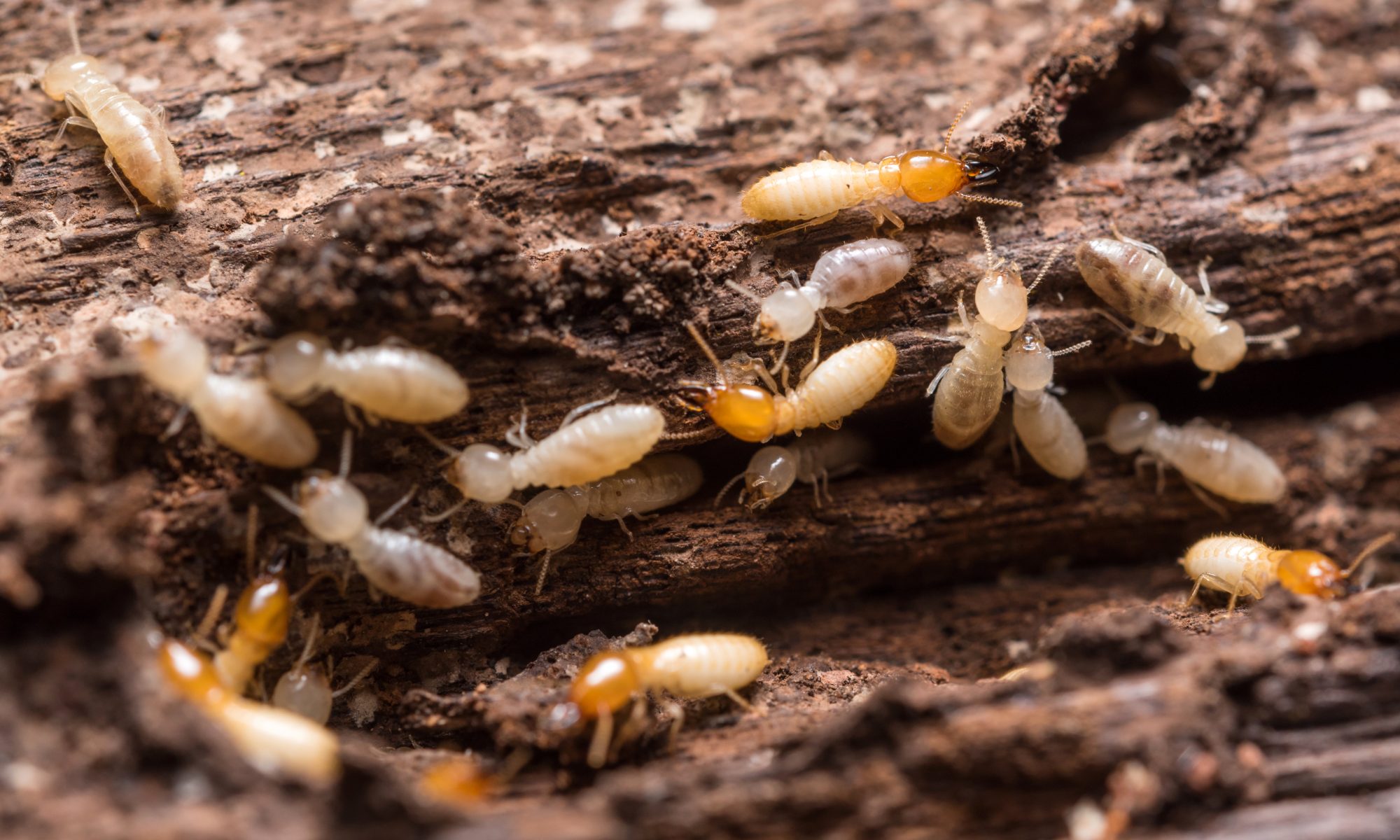
Finally, if your home is dealing with termites, you may notice mud tubes. Mud tubes are small, pencil-sized tunnels that termites use for protection and to retain moisture. These termite highways will typically appear near the foundation of a home.

Closeup on termites going in and out of their tunnel

Why Are Termites a Problem?

If there are two things homeowners have to prepare for, it’s termites and warm weather. Higher temperatures can mean a long, tedious chore list, from cleaning gutters to washing siding. Termite-prevention should also be part of your springtime to-do list.

Termites present a variety of serious challenges. These tenacious little critters can chew through floors and walls, even carpeting and wallpaper! 

A termite colony working together can be pretty harmful, since they can eat round-the-clock for days. This level of damage can pose a threat to your home’s structural integrity.

The National Pest Management Agency estimates that termites cause over $5 billion in damage yearly.

For everything you didn’t want to know about termites, read here.

How To Prevent Termites in Warm Weather

Fortunately, there are certain proactive steps you can take to prevent termites during the spring and summer.

First, make sure you inspect your home for the tell-tale termite signs we mentioned above. Termites commonly appear in wood features, so windowsills, door frames, and floor boards/wainscoting should appear on your termite checklist.

Next, check for leaks and any excess moisture around your home. Remember, when you add humidity to the mix of termites and warm weather, termites are a risk. An important part of termite prevention is diverting water away from your home, through gutters, downspouts, and splash locks.

You should also be sure to check AC units and faucets for leaks. Rotted roof shingles can also be a source of leaks, so roof inspections are also essential for termite prevention.

Additionally, you should avoid leaving anything out that might attract hungry termites. This next tip is especially important for homeowners with wood-burning fireplaces. Try to stack lumber away from your home, instead of against it; always inspect it before you bring it inside.

Finally, if your home is recently-constructed, inspect for foam boards or grade stakes that builders may have left behind. While termites don’t eat foam board, we know that they can and do tunnel through it. 

Is It Possible for Weather to be Too Warm for Termites?

Termites tend to survive best in temperatures between 75 and 95 degrees Fahrenheit. While termites tend not to fare too well when temperatures fluctuate too much, do not underestimate these survivors. These insects tend to be far more skilled and able than other animals or insects at accessing cool places.

In fact, termites can survive and thrive in the famously hot Sonoran Desert. They do this by skillfully locating and sheltering in cool, underground spots and shaded areas. 

Termite species who don’t share their desert cousins’ subterranean-locating abilities have other skills. During hot weather, drywood termites move their nests from close to a log’s surface, to the log’s cooler center.

So even if you live in a very hot area, unfortunately, you are not safe from the threat of termites.

termite nest at wooden wall, nest termite at wood decay, background of nest termite, white ant, background damaged white wooden eaten by termite or white ant

Environmental Pest Management Can Help with Termite Prevention and Elimination

Whether you are looking to prevent termites or deal with an ongoing infestation, Environmental Pest Management can help. Contact us today to schedule a free inspection!

If you are serious about preventing termites, you should consider a regular professional home inspection. The experienced hands at Environmental Pest Management can assess your home’s risk and alert you to a current termite problem.

We require our staff to attain the level of Master Licensed Technician, a multi-year process to attain true field expertise.

We belong to state and national professional associations in the pest management field. Our affiliations include both the Minnesota and National Pest Management Associations. That means we are able to provide our customers with the very latest industry knowledge and best practices. 

Environmental Pest Management brings over 30 years of know-how to our work, and that’s not all. You can also rely on us for environmentally-responsible pest management techniques and methods. If you require pest management in your home, apartment, office, or even hospital, we will determine the best, safest solution.

Our commitment to the environment means that we use non-chemical means of pest management as often as possible. Often, we find these pesticide-free methods are more effective and longer-lasting than traditional pesticides.

Termites and warm weather are a scary combination for any homeowner, business, or landlord. For efficient termite treatment, trust the job to an experienced company with deep roots in east central Minnesota. Contact Environmental Pest Management and say good-bye to your termite fears!

What is Commercial Pest Management?

AdobeStock 300203735

When most people think of pest management, they think of houses or apartments where people live. However, bugs don’t stick to just homes. Pests take refuge anywhere they can find. Hence, commercial pest management.

Commercial pest management is just what it sounds like: pest control for businesses. If you are a business owner and don’t have a pest control company, you need one. Maybe you already have one, but are they the best?

Business owners have many decisions to make and things to consider. Don’t let finding a trusted pest control company take up any more of your time. Call Environmental Pest Management today for a free quote. 

We will make sure your business stays pest-free so you can focus on doing what you do best.

Industrial pest control

Main Differences Between Residential and Commercial Pest Management

Pest management is different when it comes down to it, whether it is intended for residential or commercial locations. While the ultimate goal is to remove unwanted pests and ensure they don’t return, how things are done vary.

Speed of Service

Sometimes, residential service requires the tenants to temporarily relocate while service is completed, depending on how severe the problem is. However, it would be extremely difficult for a company to close down for even a couple of days for service.

Because commercial service needs to be done with as little interruption to the company as possible, commercial pest management tends to have a quicker turnaround than residential service.

Commercial service generally costs more, as well. Because the area to treat is often larger, and the company will not want to shut their doors, commercial pest management comes with a higher price tag.

Types of Service

Homes, for the most part, are relatively similar. With comparable setups come like problems. So, most residential pest management is done in similar ways.

Commercial buildings, on the other hand, can be vastly different in size, type, and purpose. Because of this variation, commercial pest management needs to be customized to each client. It would be irresponsible to treat a hospital or restaurant like you would a factory or retail store.

Customized treatments don’t end with removing pests. A commercial pest management company you can trust will have a customized plan to ensure pests don’t return. A good company will consider everything from location to types of bugs to the layout of building in a preventative strategy.

You will want to find a company that can customize your service and has the knowledge and experience to ensure things are done right. Environmental Pest Management is that company.

Tails of rats on a wooden table.

Types of Bugs in Commercial Clients

While homes are more likely to be infested with ants, bedbugs, termites, and other smaller pests, commercial locations tend to attract larger pests like mice, rats, and cockroaches. However, a good commercial pest management company understands that just about any bug can get anywhere and will plan accordingly.

Mice and Rats

With rodents like mice and rats, we always look for the entry point. Traps only work so well for so long if you don’t stop them from getting in. Finding where they come in and closing that option will be our number one priority. 

We will aim to control the situation with permanent seal up, void treatment, baiting, trapping, and natural repellents. A holistic approach will ensure the most successful results.  

Cockroaches

In our area, we are always on the lookout for the German Roach. This creative little pest is always finding ways into buildings and often hitches a ride on with visitors or in shipments.

To successfully treat cockroaches, we rely on routine inspections. We rely on the newest technology to treat a cockroach infestation and ensure we are always up to date. We have lots of experience removing these pests, and our goal is complete elimination.

Other Pests

As we all know, mice, rats, and cockroaches are not the only pests that plague businesses. Whatever comes your way, whether it’s ants or another crawly pests or wasps or another flying pest, you can be sure we are prepared to handle it.

We always use a combination of baits and other exterior management techniques to control populations from entering buildings. We continually work to develop the safest and effective programs to not only eliminate pests but also prevent them from entering.

We will carefully consider the needs of your establishment and develop a customized plan that addresses the problems you face.

Reasons for Commercial Pest Management


  • Sanitation. Whether or not you are producing items for consumption, pests are dirty. With pests come a variety of diseases. If you are in the food industry, you can’t risk these diseases. Even if you are not, pests create unsanitary messes that you don’t want to deal with.
  • Reputation. After spending years or decades building up your business, the last thing you want is for an infestation to ruin your reputation. If customers see bugs in your establishment, it will affect how they view your business. Don’t let pests ruin all you have worked for.
  • Cost-Effective. It seems counterintuitive to pay for something to save money, but in the cases of pests, it’s true. You are paying to ensure you don’t lose products or customers to a bug infestation. Bugs can ruin products and scare away customers.
  • Health. Many different pests carry a variety of diseases. Furthermore, the droppings of pests are unsanitary. This is especially true if you are in the food industry. The last thing you want is someone, either a customer or an employee, getting sick from something that shouldn’t have been there in the first place.

Mid section of pest control man standing next to a van


Call Environmental Pest Management Today

If you own a business and don’t have a pest control company, call Environmental Pest Management today. We have years of experience serving customers throughout Minnesota. We will work with you to come up with the best plan for your business.

If you already have a company, call us today for a free quote. We want to ensure you are getting the most comprehensive service at the best price. Let us prove to you we are the best in the business.

What is TAP Insulation and Why You Want It

TAP spray foam

Insulation is one of the most fundamentally important parts of your home. It serves many different purposes, including lowering your energy bill and keeping your house comfortable.

Since insulation is so important, why not go above and beyond? If your insulation could give you even more benefits than usual, then that is an easy choice for you as a homeowner.

TAP insulation will give these improvements and then some. This insulation is an environmentally safe, sound dampening, fire-resistant, pest controlling insulation.

TAP stands for Thermal, Acoustical, and Pest Control, which are the main characteristics of it. With all the added benefits of TAP, you get more bang for your buck.

This unique and innovative insulation is excellent at keeping any unwanted pests out of your home. These pests include ants, termites, cockroaches, silverfish, and many more.

Don’t just take our word for it, though. Contact the professionals at Environmental Pest Management, where you can request a free quote.

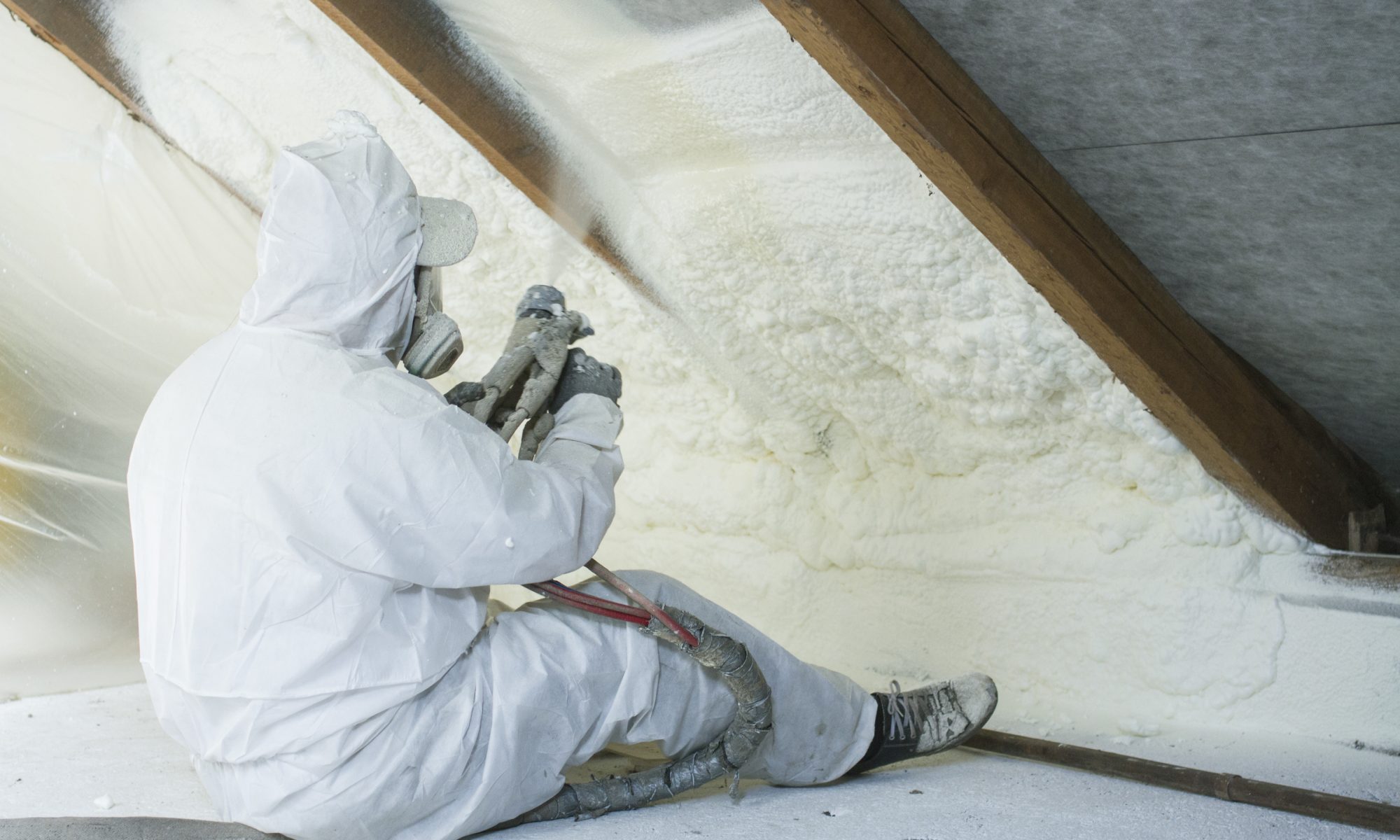
Worker Spraying house attic insulation

Thermal

The obvious benefit of any insulation is the ability to keep your house warm on cold days and cool on hot days. It does this by blocking the outside weather while trapping in the comfortable temperatures inside your home.

Better insulation means you don’t have to use as much energy to regulate the temperature of your house. Using less energy directly translates to you, saving more money on your bills.

The secret to good insulation is the balance between how dense it is and how light it is. Density will stop the airflow, while light materials (and air pockets) will trap heat better.

Since TAP is denser than your traditional insulation, it does a better job of stopping airflow. The efficiency is especially useful for the coldest months of the year when you need it most.

Additionally, TAP is an ENERGY STAR partner with the Energy Star seal of approval. You can be at ease, knowing your insulation is of the highest quality and safety standards.

Acoustical

One advantage that many don’t consider when thinking of insulation is noise reduction. Poor quality insulation won’t reduce noise nearly as well as higher quality materials.

The noise cancellation works both ways! Annoying sounds from outdoors, such as traffic or sirens, won’t pierce into your home. At the same time, your indoor sounds, such as toilets flushing or appliances running, won’t make it outside.

As with the thermal benefits, sound likes to travel through solid materials. TAP gets designed with small air pockets that quickly disperse the noise coming through the fibers.

The noise suppression of this material is unparalleled. A standard installation of TAP insulation across your entire attic area will nearly eliminate all of the outdoor noises.

You don’t have to deal with annoying noises such as airplanes flying overhead or your neighbors mowing their lawn at an inconvenient time. You deserve peace at all times.

White construction foam on a wooden wall

Pest Control

While the high-quality materials of TAP make it stand out above the crowd, it becomes truly unique with its ability to keep pests out of your home. It would be best if you always had the comfort knowing that no pesky intruders are wandering around in your attic or your walls.

TAP insulation uses a borate material that is commonly used by pest management professionals. The borate material is added directly to the paper fibers, making it a powerful all-in-one solution to pest control.

The borate material is typically placed around the baseboards of homes and the outside of homes to kill insects. You have nothing to worry about, as the material is safe for humans.

The substance will cling onto the legs and bodies of insects crawling around, which then get consumed by the insect when it cleans itself. The particles disturb their digestive functions which leads to starvation.

TAP is an excellent solution for removing all sorts of insects. Anything from roaches, crickets, beetles, centipedes and millipedes, termites, and ants will all get targeted.

With this pest control solution, you don’t have to go through the trouble of strategically laying traps or buying additional pesticides for your home. The TAP insulation will be working around the clock, 24/7, actively stopping bugs and critters. For more information about pest control safety, check this out.

How It Compares To Standard Insulation

Now that you’ve seen all of the benefits of TAP insulation, I’m sure you’re wondering what it all means compared to the “normal stuff.” Let’s jump into it.

R-Value

First, we need to know how insulation gets measured against other materials. The term is called R-value, which stands for resistance value. R-value is the indicator of performance for the slowing of heat. The higher the R-value, the better the results you can expect from your insulation.

With that said, TAP Pest Control Insulation boasts an R-value of 3.6 per inch. This R-value is higher than any other type of insulation on the market.

The performance of TAP, coupled with the acoustical and pest control capabilities, makes this choice a no brainer. It is a great option to keep your home both warm and secure.

According to the Insulation Institute, residential electricity prices have jumped by 39% since 2004. Now more than ever, you want good insulation in your home to keep the costs down.

Technician spraying foam insulation

Going Green

While many products like to claim to be “green,” not all of them live up to the expectations. From the production to the benefits, TAP has you covered.

TAP insulation is made from 80% recycled paper and then combined with the borate material. The reuse of such a large amount of paper is a massive victory for the environment.

Additionally, the energy your home will be saving will reduce your carbon footprint drastically. Month by month, you’ll be using less energy, which saves you money and helps the ecosystem.

The benefits of TAP insulation cannot get overstated. You get to stay more comfortable in your home while keeping annoying critters at bay. If you’d like to remove your old insulation and install a brand new blanket of TAP, contact the experts at Environmental Pest Management.