
Environmental Pest Management

11975 Portland Ave, Suite 126 , Burnsville, MN 55337

Working Hours
Mon - Fri 8:00a to 4:00p

Call us
952-432-2221

Plants that Keep Bugs Away 

Plants that Keep Bugs Away 

Do you attract insects every time you step outdoors? If you don’t, likely you know a friend or family member that does. 

Don’t spend any more summers in a constant battle with a pesky backyard insect army. There is a way to combat the army of flies, mosquitos, gnats, and other pests without chemical warfare or spraying yourself with sticky, chemical-filled sprays. 

A natural way to deter these summer ruining fiends is to strategically place a variety of plants outside and inside the home. Yes, you read that correctly. 

The essential oils that are released from some of the plants are a natural repellent. The plants use the secretions as a natural defense mechanism against various insects. 

Environmental Pest Management has compiled a list of plants that keep bugs away from your home and garden. Start enjoying your summer pest free. 

plants that keep bugs away

Standing Water

It’s first important to mention that any standing water is a big no-no. Standing water is where mosquitos go to breed.  

Once you remove any water sources from around the house, you will have an easier time battling those annoying blood-suckers. 

Herb Garden

If you love to cook and have longed to start an herb garden, now’s the time. Many wonderful herbs will add flair and flavor to meals as well as repel bugs with their lovely aroma. 

We recommend you keep your herb garden near the doors of your house. Keeping them close will help cut back on flies and other bugs from entering your home. You will also have quick access to your garden while you are preparing your meals- a win-win. 

Basil

Basil repels mosquitoes and house flies. You can keep it up near the house in a pot or in an outdoor area where you enjoy entertaining or relaxing. 

You can use basil in many different types of soups, sauces, or even salads. Sweet basil will provide a subtle peppery flavor with a hint of mint. 

Another way to use fresh basil is to create your own DIY insect repellent. First, you will take the clean basil and steep it in boiling water for several hours (stems and all). Once the basil has steeped in the water for a while, you will take the infused water and put it in a spray bottle. Lastly, add four ounces of vodka, the vodka will serve as a carrier and diluter. 

Now you have made yourself a natural bug repellent without any added harmful chemicals and saved money in the process!

Plants that Keep Bugs Away 

Lavender 

Lavender will repel moths, flies, fleas, and mosquitos. We all know lavender as the popular scent that fills many of our household products. While many of us enjoy, the sweet light floral scent lavender provides unwanted insects hate it. 

Lavender is a sun-loving plant and enjoys being in a place where it will get plenty of light. Keep that in mind when you are strategically placing it to ward off bugs. 

You can also infuse lavender into a body oil and apply it before enjoying the outdoors. Just make sure not to use a body oil without applying a protective layer of sunscreen. 

Lemongrass

Lemongrass will repel mosquitos. Certainly, you have entered a store during the summertime and have found citronella candles. They are effective for warding off mosquitos. Citronella is the natural oil found in lemongrass. 

Lemongrass is not the name for just one plant but is an umbrella name for the plants that belong in the Cymbopogon family, including citronella grass. You can plant it in a sunny location with ample draining. The plant will grow up to 4 feet tall and 3 feet wide. 

Mint

Mint is another herb that will repel mosquitos. Planting mint in pots is the best choice because mint spreads aggressively and will overtake a garden. Once mint has established itself in the garden, it can be a pain to remove. 

Mint leaves can flavor tea, curry, and many lamb and chicken dishes. Mint is another herb that you can use to create your repellent. Combine it with a small amount of cheap vodka, witch hazel or apple cider vinegar.

Plants that Keep Bugs Away 

Ornamental Flowers

If cooking and having an herb garden is not your thing you can try your thumb at planing some ornamental flowers to combat the summer insects. They will provide a pleasing scent and view to your backyard or patio. 

Marigolds

The scent produced by various kids of marigolds will repel mosquitoes, aphids, whiteflies, and even rabbits.  Whiteflies are a pest that commonly feasts on the sap released from tomatoes and tomato plants. 

Marigolds release limonene, an essential oil, that slows down whiteflies as they fly around tomato plants. Marigolds are best grown throughout vegetable gardens, or in tandem with certain plants such as roses. They are capable of spurring the growth of rose bushes. 

Petunias 

Petunias are known for repelling aphids, asparagus beetles, tomato hornworms, leafhoppers, and squash bugs. Petunia’s are pretty foolproof, which makes them a popular choice. They are available in a variety of vibrant colors and require minimal maintenance. 

They will happily hang out in garden beds near vegetable and herb gardens, or a hanging planter on a patio. Just make sure they are receiving plenty of sunlight. 

Floss Flowers

Floss Flowers will repel mosquitoes by releasing a chemical called Coumarin, often found in bug sprays. This chemical is also in sweetgrass, and mosquitoes hate the smell of it. 

Floss flowers will bloom pink, white, and blue blooms during the summer and fall. They are happiest planted in fertile soil and do well in rock gardens or flower beds as an edging plant. 

Plants that Keep Bugs Away 

Geraniums

Geraniums repel leafhoppers as well as other insects. However, one type of geranium is known for its mosquito repelling abilities, the Pelargonium Citrosum.

When they bloom, they have delicate pink flowers that release a lemony fragrance that keep bugs away. They are happy in a sunny, dry climate and will grow well in a flowerbed or vegetable garden. 

If gardening or planting flowers is just not your forte, or don’t want to do the upkeep, Give Environmental Pest Management a call. We will come out and treat your backyard for those unwanted visitors. Let us keep the bugs away from your home while you enjoy your summer. 

How to Bug-Proof Your Pantry

AdobeStock 302809510

A bug-free pantry is one of those things you take for granted until you don’t have one. Nobody wants crawly critters in and among their food; it’s gross, it’s unsanitary and even dangerous.

Contact the pros at Environmental Pest Management to keep your pantry clean and pest-free!

Secrets of a Bug Free Pantry 

The good news is, you can bug-proof your food storage area with a few tricks and a little effort. Let’s take a look at some of the ways you can protect your food, your home, and your family.

bug free pantry--bugs on grain

Know the Usual Suspects

Before you set to work, make sure you know what you’re up against. The most common (and harmless) home invaders you will encounter near your food included weevils, moths, and small beetles. 

The varieties of beetles you may find in your pantry are merchant grain beetles and flour beetles. Merchant grain beetles are fans of processed foods and baked goods, whereas flour beetles are your standard grain-lovers. Flour beetles larvae are the infamous mealworms, which are known for destroying stored grains and flours.

On the more threatening end of the spectrum, you may find cockroaches, who can carry disease.

A Clean Pantry is No Guarantee

Don’t beat yourself up if you see an unwelcome guest the next time you reach for a box of cereal! An infestation isn’t a reflection on you as a person or housekeeper. Unfortunately, no matter how tidy you keep things, you may still find yourself the victim of a buggy pantry. 

Be Aware of the Bug Bait Hiding In Plain Sight

Cereal is just one of the foods insects, and other bugs may find attractive in your home. Other foods that creepy crawlers find irresistible include grains, different flour varieties, and processed foods. They’re not so different from you and me, are they?

Bugs can also go after nuts, beans, dried fruits – even spices!

Basically, bugs are people, too. If you like to snack on it, chances are, there are bugs that will, also.

Shop Smart

A bug free story starts in the supermarket. Examine packaging when you purchase a food item; if the box or wrapper appears damaged, do not buy it. 

Why?

Well, because a lot of times, bugs infest pantries through packaging that was infested from jump street.

Additionally, check expiration dates both when you’re purchasing items and periodically, at home, too. Avoid buying anything that’s too close to its expiration date and throw out expired items at home.

bug free pantry--bugs on grapes

At-Home Prevention Hacks

Once you bring your groceries home, you have a few tricks at your disposal to preserve them from bugs.

Sealed, air-tight containers are a great route to a bug free pantry. Once you break the seal or open a package, transfer the contents to Tupperware or Rubbermaid containers (or something similar).

Interestingly, bay leaves are another hack you can use to ward off critters. To utilize its aromatic properties against would-be invaders, put a bay leaf in dry goods containers. Items like rice, grains, and flours are ideal for this strategy. 

Do a Quick Clean Up

Now, as stated above, a clean house is no guarantee that you will have a bug free pantry. Having said that, that’s no reason not to do your best to straighten up.

As much as possible, clean up crumbs and sticky spills as you spot them. 

Make cleaning your pantry a part of your cleaning routine: clean up crumbs and wash shelves with soap and water. While you’re in there, inspect for cracks, holes, and crevices that may provide an on-ramp for pests. Fill up any holes you find with caulk.

When Should I Start Panicking?

Now, a couple of bugs here and there around the house do not constitute an emergency in and of themselves.  

The problem comes when you spot the bugs in your food stores. Likewise, if bugs turn up near food storage sites: your kitchen, and yes, your pantry.

What To Do For a Bug Free Pantry When Prevention Is Not an Option

So a bug has turned up in your container of dry rice. First thing’s first: don’t try to salvage it; throw out any infested stored food you discover. Make sure you throw it away in a sealed trash container!

Next, inspect any packages or containers you have stored near the original offender. Check to see whether the infestation has spread to other containers. Perform a quick ocular once-over, or a more thorough method: pour contents out and inspect them with a flashlight.

If you want to be totally confident in your bug free pantry, freeze potentially-contaminated foods for three to four days. Alternately, cook them for 1-2 hours at 140 degrees.

Then, you’ll want to go scorched-earth on any remaining bugs. Clean your pantry with soap and water, and vacuum it. Avoid materials that may harm your food: pesticides, ammonia, boric acid, or bleach.

Bring In the Pros

Sometimes, despite your best efforts, bugs remain determined. You can take this as a compliment – you have a delicious pantry! On the other hand, you’ll probably need to bring in the big guns.

A pest control company can eliminate the forces invading your pantry, and finally, give you a bug free pantry. Don’t worry about researching and executing the best pantry defense tactics yourself.

Your time is valuable, and you don’t want to waste time when it comes to preventing food waste and spoilage.

bug free pantry--bugs on flour

Environmental Pest Management For Your Bug Free Pantry Needs

Safely secure your pantry by contacting Environmental Pest Management. Environmental Pest Management brings over three decades of pest management experience and a commitment to you and your family’s safety.

Our concern for your home or professional environments extends to our common home, Earth. That means we use non chemical materials to the greatest extent possible to get you back to normal, safely.

Whether you need a bug free pantry, or you are dealing with another pest control issue, Environmental Pest Management can help. Contact us today to discuss your pest control needs, and to determine how our Master Licensed Technicians can assist you.

Why You Should Use Professional Pest Control

AdobeStock 106889416

As the weather changes, so do the habits of household pests. Pests and insects are looking for places to hide and stay warm and cozy in the winter or cool and comfortable during the summer. 

When this happens, these invaders are going to seek the comfort of your home, making them an annoyance to the family. These tiny invaders can come into your home and cause property damage, intruding in objects like food products, wood, and papers. 

Often homeowners will take it upon themselves to rid their homes of unwanted pests. This means a trip to the hardware store or trying a new DIY treatment. Both of these options can be challenging to accomplish alone and lead to a dangerous outcome. 

Rather than treat it yourself, contact Environmental Pest Management to handle unwelcome house guests. 

When you hire professional pest control, you can rest assured that individuals are trained to handle chemicals safely and effectively. They are well versed in practices to keep your family safe. For the quickest, most efficient, and lasting pest removal, hire a professional pest control service.

Keeps Your Family Healthy 

Besides being bothersome and gross, pests can carry many diseases or harmful bacteria that can increase your family’s exposure to illness. For example, cockroaches are known carriers of the bacterias E. coli and salmonella. 

Both infestations or cockroaches and rodents can exacerbate health issues related to allergies and asthma. Cockroaches and rodents have a protein in their droppings known to cause allergic reactions in individuals with sensitive immune systems. These reactions can cause life-threatening asthma attacks and allergic reactions.  

Ticks are carriers of Lyme disease, ants can contaminate your food pantry. Bees and wasps can cause injuries or trigger anaphylactic reactions through the venom they inject when they sting. 

The longer a pest resides in your home, the more dangerous conditions can become. A pest professional not only eliminates the invaders but provides helpful information on how to prevent them from returning. 

Pest control concept in flat style design. Cockroaches run away from home.Chemical treatment and protection against termites, cockroaches, fleas, agricultural pests.

Eliminates the Risk of Using Chemicals

Most of the readily available pest treatments on the market have been approved for home use. However, you should always be cautious in handling chemicals that are unfamiliar to you. A skilled pest technician knows when and how much chemicals to use to prevent any harm to humans or pets. 

Many pest removal products on the market will appear initially effective; however, they will not permanently eliminate your infestation. Many of these treatments are only effective on the surface. 

These products will rid you of the pests that you see scurrying around your home and property.  However, they do not treat the problem at the source. 

The source of a majority of infestations, whether a termite colony or rats nest, are often out of your sight. These “invisible” pests can not be controlled with over the counter pest control products. 

Identify and Eliminate Pests 

Pest companies eliminate all different types of pests. This list includes various rodents and a variety of insects- bees, ants, cockroaches, mosquitos, flys, wasps, fleas, and termites. 

Different baits and chemicals are necessary to withdraw and eliminate each different pests. A licensed pest technician is educated in the safe and proper dosages of chemicals. They also know where and when to apply them. 

A noteworthy benefit of using a professional pest control service is that the professionals have the knowledge to identify the pest invading your property. Knowing which pests are at your home and how they get in helps decide which elimination method is best.

Companies can eradicate pests by using poisoned bait, baited traps, or various chemicals. Some professional pest control companies specialize in organic or green pest control

Locating the Source

Your professionals will maximize the effect of the treatment by also locating the source of the infestation. If the infestation source is not located and eliminated, more infestations are likely to occur within the home. 

Some sources can include batches of hidden eggs, nests,  garbage cans, plants, soil, pet food, or particular areas within your walls. 

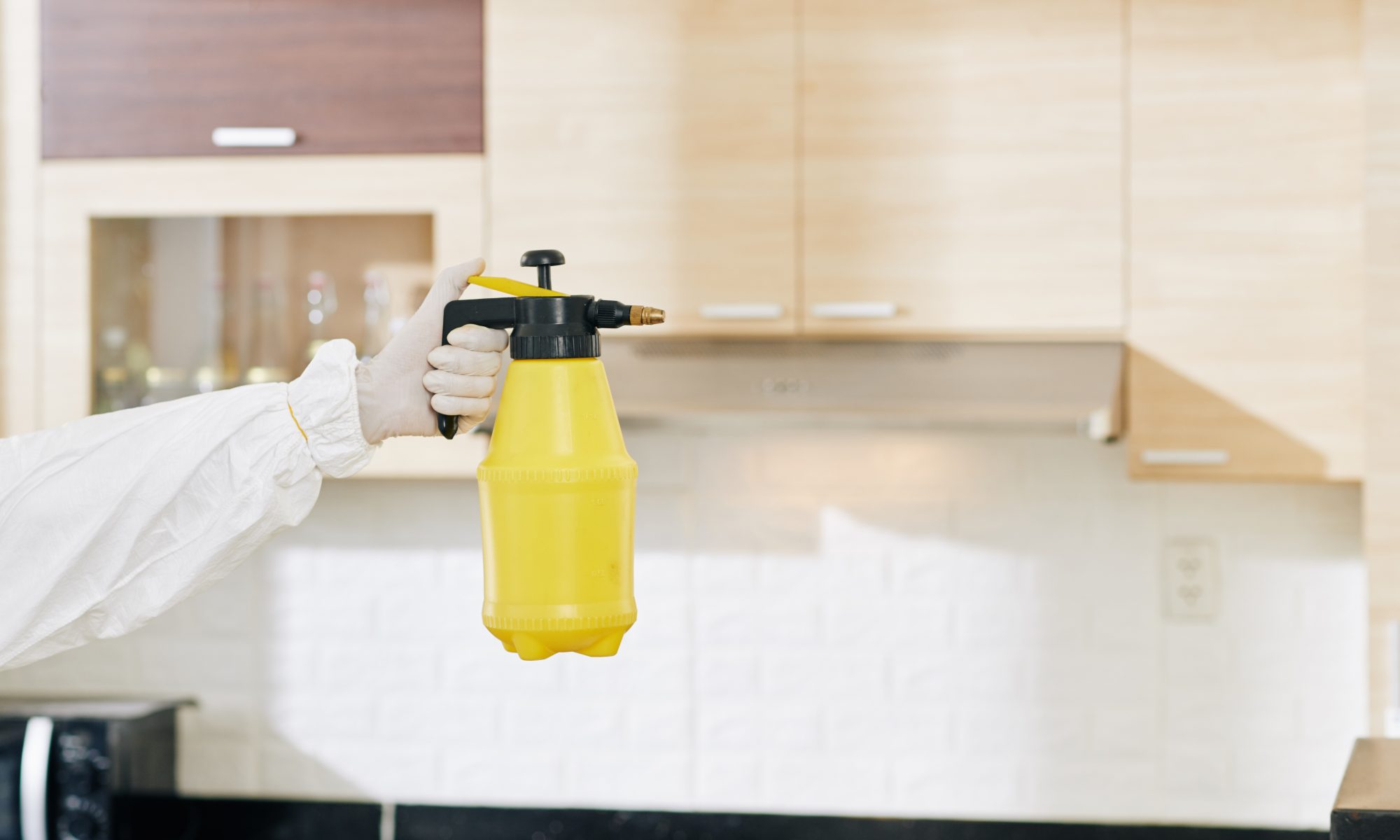
Pest Control Worker Hand Holding Sprayer For Spraying Pesticides

Save Your Time

When you hire professionals, they can provide quicker and more successful results than if you try to treat the infestation yourself. Between their experience and the products and chemicals that are not as readily available to consumers, they swiftly implement plans for extermination and eliminate pests in a short amount of time. 

A typical treatment can last from anywhere from twenty minutes to an hour. Any moisture, sanitation, and environmental conditions can affect the length the treatment may last. It can take up to six hours for treatment.

A larger problem that requires any fumigation can take up to a week to complete. The home will need time to retire to a safe environment for your family. 

Avoid Damages to Property and Belongings

Different pests can pose unique risks to your property and belongings. Termites cause damage to approximately 600,000 homes in the U.S., costing U.S. residents an estimated $5 billion annually in damages. 

If you have a termite infestation, your belongings and the structural integrity of your home are compromised. These insects feast on hardwood floors, wooden furniture, and structural beams that support your home. 

Other insect invaders prefer to eat fibers putting clothing, upholstered surfaces, beds, blankets, and towels at risk for damages. While a rodent infestation can result in damages to your electrical wiring and insulation in your home. 

The most efficient way to protect yourself from these damages is to pay a licensed professional to identify and quickly eradicate the pest infestation within your home and property.

34 Years of Experience

When you choose Environmental Pest Management, you are getting 34 years of pest management experience and our commitment to excellence. Our company is associated with the National Pest Management Association and the Minnesota Pest Management Association. 

We pride ourselves on the use of environmentally safe products and our master licensed technicians. Contact us to book your free inspection today. 

The Truth About Borax and Boric Acid

AdobeStock 297015904

When people look for ways to control bugs at home, borax and boric acid are often looked to for a solution. But are they useful? More importantly, are they safe?

If you have pests bugging you at home, you are probably desperate for anything that works. While some at-home remedies can be successful, the best thing to do is call a professional.

The experts at Environmental Pest Control have years of experience handling residential and commercial pest problems. Call us today for a free quote.

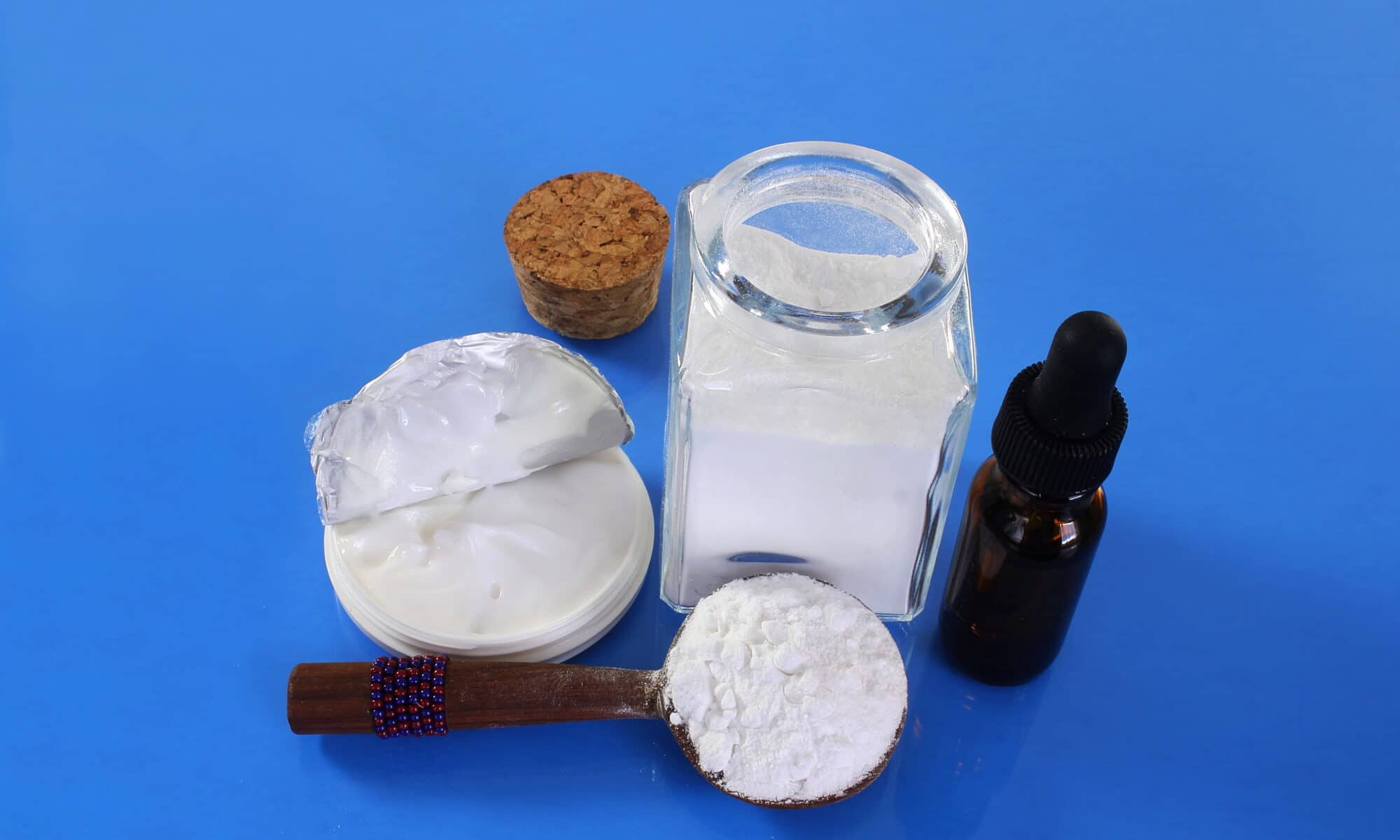
boric acid powder in spoon with boric powder topview

What is Borax?

Borax has been used for many years in America and throughout the world. It can be called several different things: sodium borate, sodium tetraborate, or disodium tetraborate. Borax is a boron compound. It is also a mineral and a salt from boric acid.

Typically, you will find borax in a white, powdered form that will dissolve in water. The most common places you will discover borax used is in laundry detergents, cosmetics, and enamel. It can also be a fire-retardant and an antifungal.

Interestingly, borax was used in gold mining as a flux, so miners did not have to use mercury in the extraction process. Mercury is toxic. However, it wasn’t as successful as mercury.

Borax was discovered in Tibet in the 700s. It was found in dried-up lake beds. Initially, it was transported along the Silk Road. It didn’t become common until the late 1800s.

What is Boric Acid?

Boric acid, on the other hand, is also known as hydrogen borate, boracic acid, and orthoboric acid. It is a weak acid of boron.

You will find boric acid in insecticides, antiseptics, and as a flame-retardant and neutron absorber. You will find it as a colorless crystal or white powder, both of which dissolve in water. 

Boric acid is called sassolite when it is in mineral form. You will find it in volcanic areas. It is created from the steam in fissures in the ground. It can also be discovered as a constituent of other minerals, like borax, boracite, and colemanite, and found in sea salt and most fruits.

The first person to prepare boric acid was Wilhelm Homberg. He used borax and mineral acids to create boric acid. Borates, however, have been used since the time of the Ancient Greeks.

Crystalline boric acid in test tube, on a blue background. It is used in many industries, including medicine, as a poison for the destruction of cockroaches.

Can I Use Borax and Boric Acid to Control Pests?

Boric acid and borax are similar. They are merely different formulations of one compound. Borax is a form of boron and is taken straight from the ground as a mineral; you will find it in cleaning products. Boric acid is more refined and processed and is used in chemical products.

Both borax and boric acid are toxic to people and animals when ingested. They are not necessarily dangerous to handle. Any product you find with either compound will be labeled only for external use.

It is essential you take extreme caution when using either of these products or any pesticides around children and pets. If used incorrectly or not monitored, kids or pets could get very sick.

When it comes to killing pests, your best bet is boric acid. Borax should not be used as a pesticide, though some people confuse the two or think they are the same. Borax can kill pests, though it is not nearly as effective as boric acid.

You will often find boric acid used in pesticides. You should be able to find it as a tablet, liquid, or powder or in a trap. Boric acid kills certain insects by absorbing into their bodies and poisoning them. Once absorbed, it will affect their metabolism and exoskeletons.

Traps or baits using boric acid rely on insects coming into contact with it. A bug will walk through the fine grain boric acid or be exposed to the liquid form. As a powder, it will stick to them.  A bug will attempt to clean themselves, ingesting the acid in the process.

It is important to note that too high of a percent of boric acid can actually repel bugs. Most commercially bought baits and traps will only use 5-10% boric acid in their formulas. If you buy powdered boric acid to spread out, it will likely be around 98% boric acid.

What Boric Acid Will Kill

While many think that boric acid will kill any pest in their home, the unfortunate truth is that it will not. Boric acid will only kill bugs and insects that groom themselves. The bug needs to ingest the acid after cleaning themselves.

The most common pests to use boric acid on are ants and cockroaches.

Domestic ants eat cooked poison from egg yolk and boric acid. Poison in the form of puny piece of in the form of globe. Around lie crumbs. A problem for life from pests. A way to get rid of parasites.

What Boric Acid Won’t Kill

Unfortunately, many pests get into homes that boric acid will not kill. If your pest problem is any of the following, skip the boric acid and call the professionals at Environmental Pest Management.

It is worth repeating, using boric acid in your home to control pests can be useful, but also dangerous. If humans ingest it, there can be dire consequences. Boric acid is hazardous to humans for the same reason it is hazardous to bugs.

If you choose to use boric acid in your home, please take extreme caution. It is wise to avoid using it altogether if any pets or children will be around boric acid traps or bait.

When storing either borax or boric acid, ensure they are kept high and out of the reach of anyone who shouldn’t come in contact with it. As with any chemical, caution must be taken.

Call Environmental Pest Management Today

If you have a pest problem and need professional help, call Environmental Pest Management today. We have years of experience protecting families and ensuring bugs do not pester them.

Environmental Pest Management only uses safe methods that will not harm your family. We understand how important it is to keep your family safe. We will exterminate any bugs in your home and make sure they don’t come.

Call us today for a free quote. We customize solutions for each client so you can rest easy knowing the best pest control plan for your home.

DIY Bug Treatments: Fact or Fiction

AdobeStock 345484584

Everyone has heard of DIY bug treatments. Whether they involve dryer lint, essential oils, or other household items, many seem too good to be true.

While there are some things that are successful at deterring pests, your best bet is calling the experts at Environmental Pest Management. We care about the safety of your family and use products that will only harm bugs, not your loved ones.

When bugs invade your home, get rid of them fast. Reach out to Environmental Pest Management for a free quote today.

A lot of cockroaches are sitting on a white wooden shelf.The German cockroach (Blattella germanica). Common household cockroaches

Can You Handle Those Bugs Yourself?

There are as many home treatments for pest control as there are types of pests. A successful DIY bug treatment will

  • Only require items you already have or that are easy to get
  • Be inexpensive
  • Be effective at ridding your space of pests and
  • It won’t be hazardous to your health or the environment.

Some pests can have an impact on your health. Cockroaches and dust mites can worsen asthma and allergies. Take action to get them out of your space. If you have severe allergies, you might want to skip the DIY and hire a professional.

Common DIY Bug Treatments

You can find anything on the internet. But how much of it is accurate? Here’s what we found. 

food grade diatomaceous earth supplement - powder and in a glass of water

Can you get rid of ants with used coffee grounds? 

The treatment:

Take your old coffee grounds and use them to surround anthills. You can also sprinkle them directly over the nest or along the ant path. Some sources claim the coffee grounds are toxic to the ants while others state that they don’t like the smell of coffee. 

Conclusion: fiction. A hill of coffee grounds may cause an ant to change its path once, but if you come back a day later, you’ll find the industrious little buggers will have moved the grounds out of their way.  

Instead, lay down a barrier with diatomaceous earth (DE). This natural product dries out the exoskeleton of ants when they walk through it.  It will also deter bedbugs, spiders, fleas, ticks, and cockroaches.

Can you drive out spiders with essential oils?

The treatment: Use peppermint, lemon, or chestnut oil to repel spiders. Apply undiluted oil with a spray bottle, dropper, or cotton ball to places you suspect spiders are using as an entrance. Spiders use their legs to smell, so they are very sensitive to oils on surfaces.

Conclusion: Fact – at least for some scents. Peppermint and chestnut oil do repel some species of spiders. Lemon oil doesn’t bother them.

Spiders like damp places. You can reduce the number of spiders in your basement by dehumidifying it to 40% and sweeping down webs when they appear. 

Eucalyptus Essential oil in Amber Round Glass Bottle with Glass Dropper and Fresh Eucalyptus leaves on wooden background. Phytotherapy.

Can you trap fruit flies with vinegar and dish soap?

The treatment: Pour about ¼ cup of apple cider vinegar into a glass or used soda bottle. Add a couple of drops of dish soap. Cover the top or opening with plastic wrap and poke a few small holes in the wrap with a toothpick.

The vinegar smell will draw in the fruit flies. They will find their way in through the little toothpick holes. The dish soap reduces the surface tension of the vinegar, so when they land, they will break through the surface and drown.

Conclusion: Fact. This trap will catch and drown fruit flies. But remember, just trapping will not eliminate all of them. Make sure to get rid of any overripe fruit or standing water, or they’ll keep coming back.

Do bay leaves smell bad enough to protect your food?

Here’s the theory: Cockroaches and other insects are repelled by the smell of bay leaves. Place your shelf-stable food in sealed plastic containers. Place a bay leaf on top to ward off insects. Some versions also suggest crushing the leaves and putting the leaf dust along insect paths.

Conclusion: Fiction. The only effective part of this bug treatment is sealing your food in containers. Cockroaches are drawn to garbage and spoiled food. They will dig through animal dung for their meals. They aren’t put off by terrible smells.

Can you burn out bees and wasps?

This treatment calls for pouring gasoline on a bee or wasp nest and setting it on fire. 

Conclusion: Fiction and basically a terrible idea. Wasp nests are extremely flammable, but they tend to be on or near other flammable items, like your house. 

This method is also bad for the environment in general. The gasoline contaminates groundwater and kills plants. Even if you’re okay with all of that, this method doesn’t kill all of the wasps, because they won’t all be in the nest at once. Any remaining ones will be very aggressive.

Central vacuum cleaner hose laid on the floor in the living room. Cleaning room conceptual shot, focused on foreground.

What Else Should You Do?

Regardless of the method you choose to remove those pests, follow up with these steps.

    • Vacuum. You might catch some bugs that have traveled away from the main infestation. Make sure to empty the vac outside right away.
    • Clean bedding.  If you had an infestation in your bedroom, wash all of your blankets and sheets on hot. Freeze your pillows to get rid of any bugs that might have made a home in them. They need to be at 0º or below for at least four days.
    • Clean the bug trail. Mix the same amount of vinegar and water in a container. Spray and wipe down any place ants or other crawling bugs traveled. Some bugs leave a pheromone trail that will attract more of their kind. You can also use a household cleaner.


How to Make Sure Those Bugs Stay Out

Once you’ve gotten rid of your uninvited guests, make sure they don’t come back. These tips will help keep your home bug-free.

  • Store your food in airtight containers. Raise the pet dishes off the floor.
  • Remove standing water and fix any leaks. Don’t leave damp towels or sponges around. Bugs are drawn to water.
  • Walk around your home and take a close look. Seal any cracks in your foundation. Fill any gaps around doors or windows.  
  • Make sure the dryer vent damper closes completely.
  • Keep your outdoor garbage secure and sealed. 

Remember, Help Is Out There

If the DIY method you tried didn’t take care of the whole problem, you need professional help. A good exterminator will guarantee his work. Contact Environmental Pest Management for a free quote today.