Environmental Pest Management

11975 Portland Ave, Suite 126 , Burnsville, MN 55337

Working Hours
Mon - Fri 8:00a to 4:00p

Call us
952-432-2221

What To Expect with a Pest Inspection

a cartoon about Pest Inspection

Bugs got you down? Are you in need of a pest inspection? Maybe you are buying or selling a home and need to make sure it is free of infestation. Perhaps you have seen those tell-tale signs of unwanted guests.

Whatever the reason, Environmental Pest Management is there to address your concerns. We have been in the pest control industry since 1986. You can trust us to solve the problem safely, effectively, and for the long-term. 

We will walk you through step by step on what to expect with a pest inspection, so you are free of the unexpected. 

What is a Pre-Purchased Versus Routine Pest Inspection? 
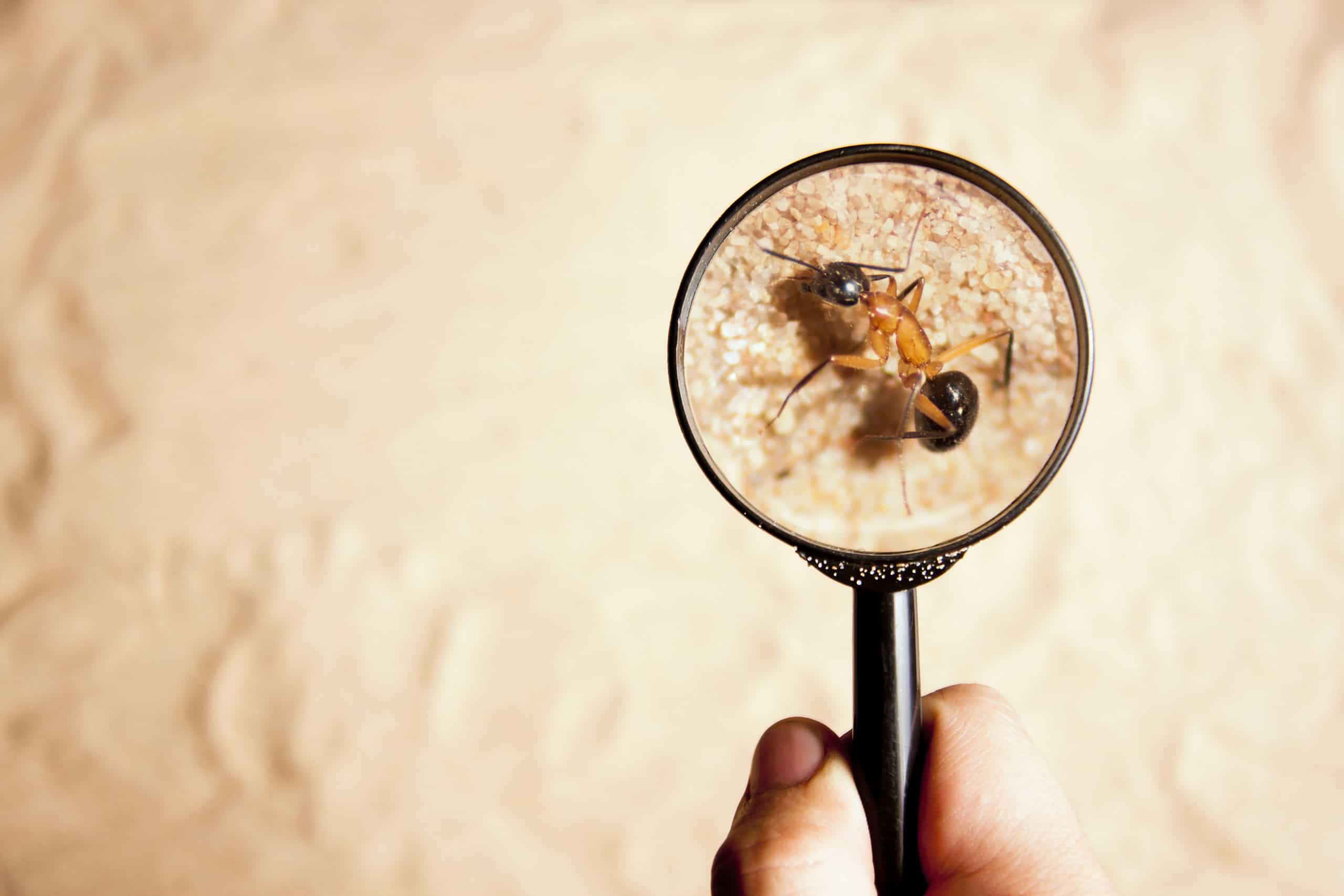
person looking an ant with a magnifying glass

There are two types of pest inspections, pre-purchased and routine. Pre-purchased are usually done with the sale or purchase of a new home. The state sometimes requires them; however, it is dependent upon where you live. 

With a pre-purchased inspection, professionals usually inspect before an offer is made on a home. Repairs from pests can be expensive, so a check can identify any issues and give a bargaining tool if necessary. It also eliminates any surprises before moving as no one wants to find out about a termite infestation after it’s too late. 

Routine inspections are completed at regular intervals, often annually. Having a routine inspection identifies issues before they cause expensive damage. Routine inspections can also identify construction faults, drainage, and environmental conditions that put you at risk for pests. 

What Does a Technician Do During an Inspection? 

A woman shaking hands with a pest inspector

A master technician will have the knowledge and experience to do a proper pest inspection. The inspection will include a strategic evaluation of the home, inside and out, to identify areas of concern. Technicians will look for evidence of an infestation, wood decay, fungi, and mold. 

The technician is going to look for evidence of past pest activity and risks for future infestations. Special tools such as moisture meters, motion detectors, and thermal imaging are used to identify areas of concern. 

Using the tools and their eye, technicians will evaluate the following: 

  • Rooms of the home
  • Subfloors
  • Roof Voids
  • Outbuildings such as sheds
  • Fences
  • Stumps
  • Retaining Walls

The pest inspection will likely take two hours or more depending on the home and land size. Detailed notes and photographs finalize a report before any steps of action. 

What Do I Need to Know About Pest Inspection Tools? 
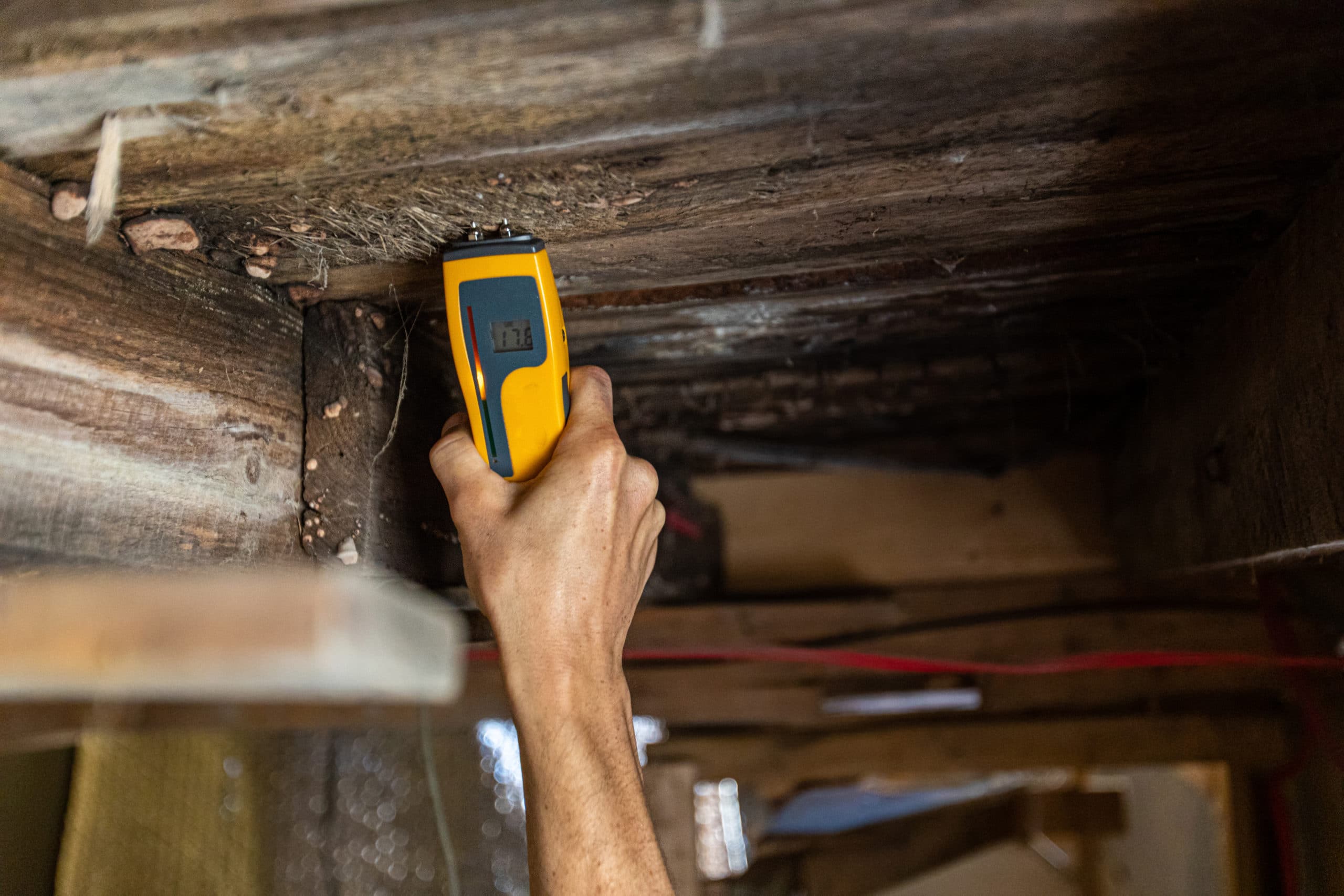
An environmental home inspector is viewed close-up at work, using an electronic moisture meter to detect signs of damp and rot in wooden structural elements.

The technician will use high-tech equipment to assess the pest activity within and around the home. 

Experts include the following tools in a pest inspection: 

  • Thermal imaging cameras to locate nests and activity
  • Moisture meters to assess moisture levels in the walls as pests love moisture and humidity
  • Termatrac microwave radar detection units that can track termites in the wall and find nests
  • Heinemann boroscopes which help find live ants and any damage they may have caused

However, the best tool technicians have is their own eyes. Experienced technicians know what to look for and can often find subtle signs of pest activity. They may identify:

  • Dirt or mud in corners of rooms or along baseboards
  • Electrical issues and faulty plugs caused by pest activity
  • Damage to wood or plaster

They may also ask for help for damage or concern areas you have identified. It is your home, and you know it best. 

Should I Be Present for the Pest Inspection? 
A woman speaking with her pest inspector

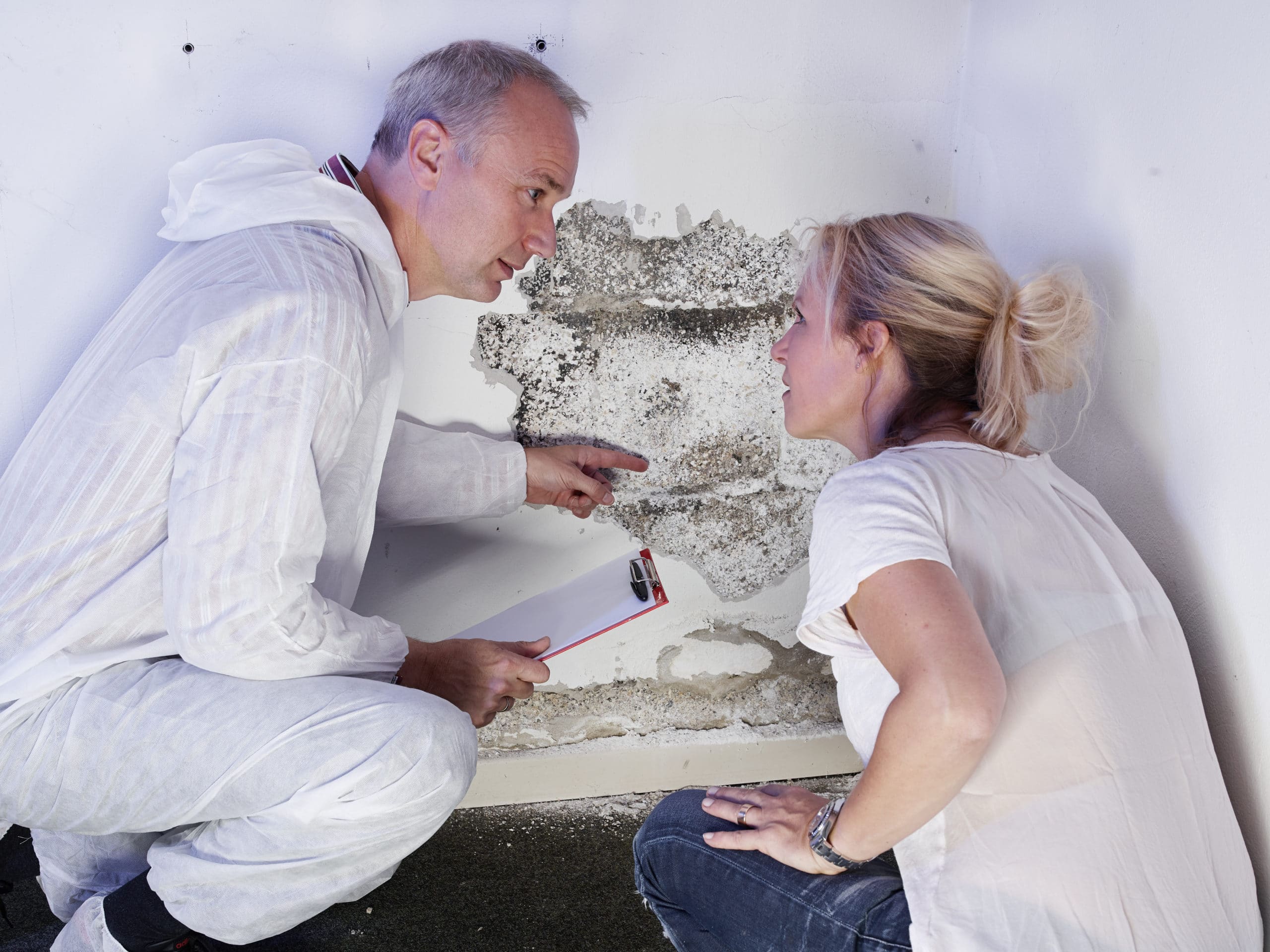
It is best if you are present for the pest inspection. Technicians appreciate your presence as you can point out concerns, and they can explain problems to you on the spot.

If you cannot be present during the inspection, it is essential to make sure the technician provides you with a detailed report identifying current and potential concerns.

What Should I Look For in a Pest Report? 
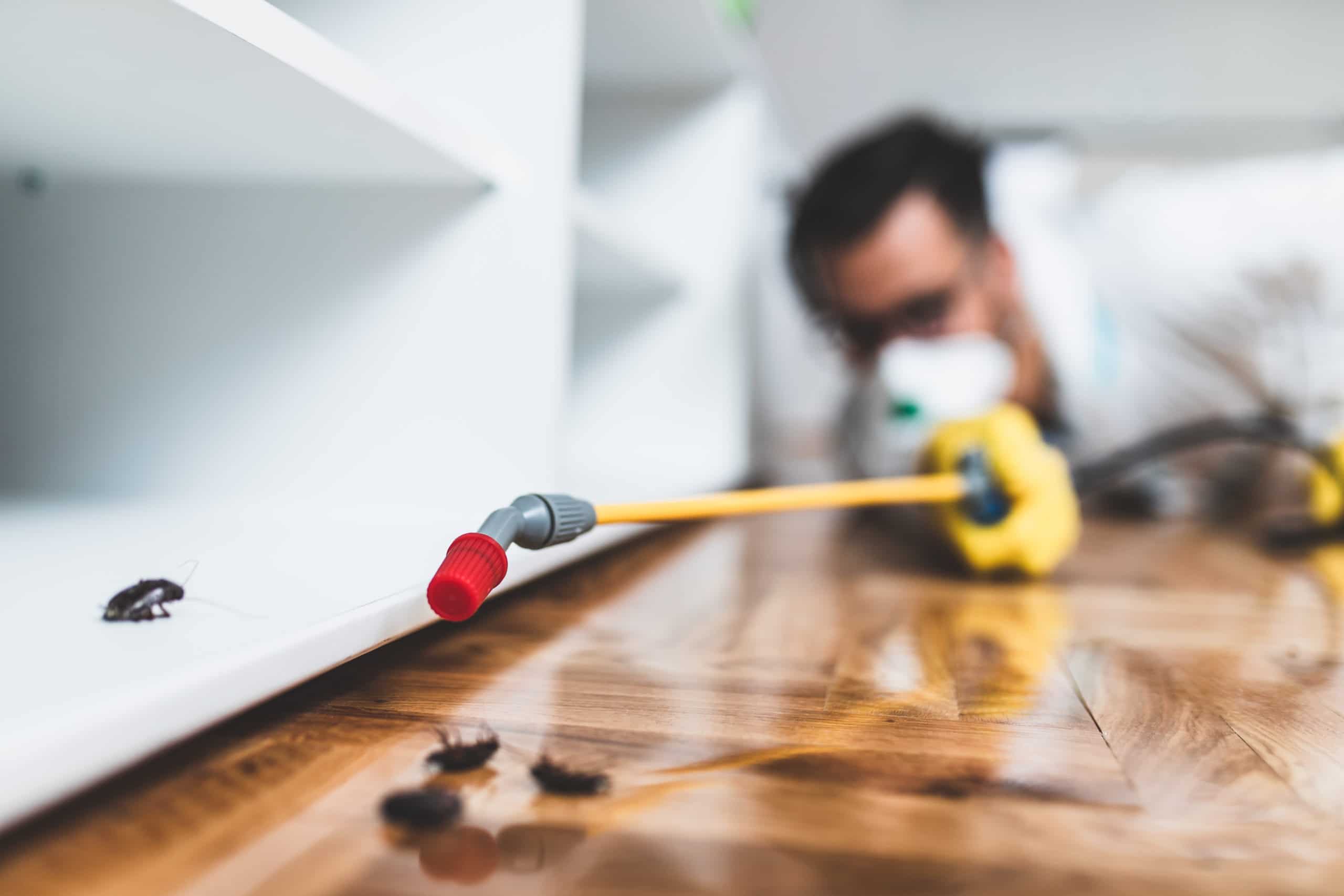
Exterminator in work wear spraying pesticide with sprayer. Selective focus.

Pest reports should identify concerns and list recommendations to fix problems. Reports may identify areas that need further investigation, such as spots they could not access. 

Technicians include pictures in the report. Photographs help to give evidence to the issue. You’ll have a better understanding of the treatment plan.  

The report should identify concerns such as building faults, drainage problems, or environmental issues that make you vulnerable to pests. The information will also include recommended treatment and cost. 

The report should be available to you promptly, usually within 24 hours. Technicians will be accessible to address any questions or concerns. 

You must understand the report; ask questions if you do not. It should give you a better understanding of the home, property, and pest infestation damage. 

How Are Pests Exterminated? 
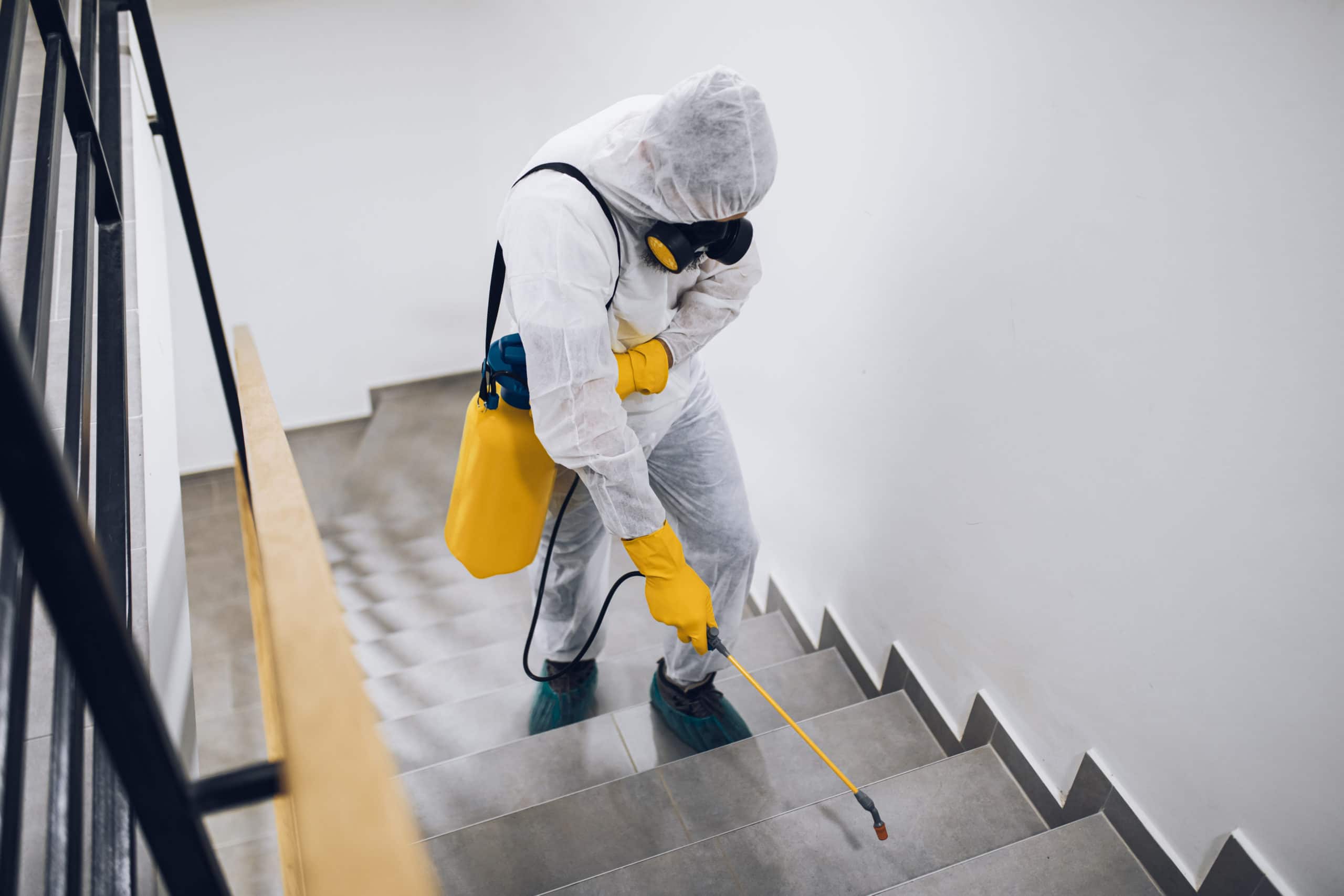
Exterminator in work wear spraying pesticide with sprayer.

Usually, the home will not be tented. Many of the products used now for extermination are effective without tenting. The chemicals used are less harmful than in the past. 

Why was tenting used in the past? It used to be the only way to get rid of pests. Tenting was sufficient, but the chemicals used were toxic and unsafe. 

Additionally, the exterminator will remove decaying wood. Removal may involve tearing out overhangs, part of roof extensions, window sills, support beams, flooring, or siding. 

Sometimes only a piece of the wood is removed. Communicate with the experts as to what they are removing or replacing. 

Make Sure You Use a Reliable Company With Experience in the Industry

Two Happy Male Pest Control Workers With Toolbox

Experience is the crucial factor of a reliable pest inspection. The technicians at Environmental Pest Management will solve the problem by identifying the source of the issue. By addressing the what, why, how, and when, we can find a solution for your pest concerns.

The experts at Environmental Pest Management use Integrated Pest Management (IPM). IPM is a practical and environmentally sensitive approach that relies on a combination of common-sense practices. IPM programs use current and comprehensive information on pests’ life cycles and how they interact with their environment. 

Using IPM, we can manage pest damage ethically and economically. 

Contact us today to book your free pest inspection. We will work to eliminate the pests in your life.
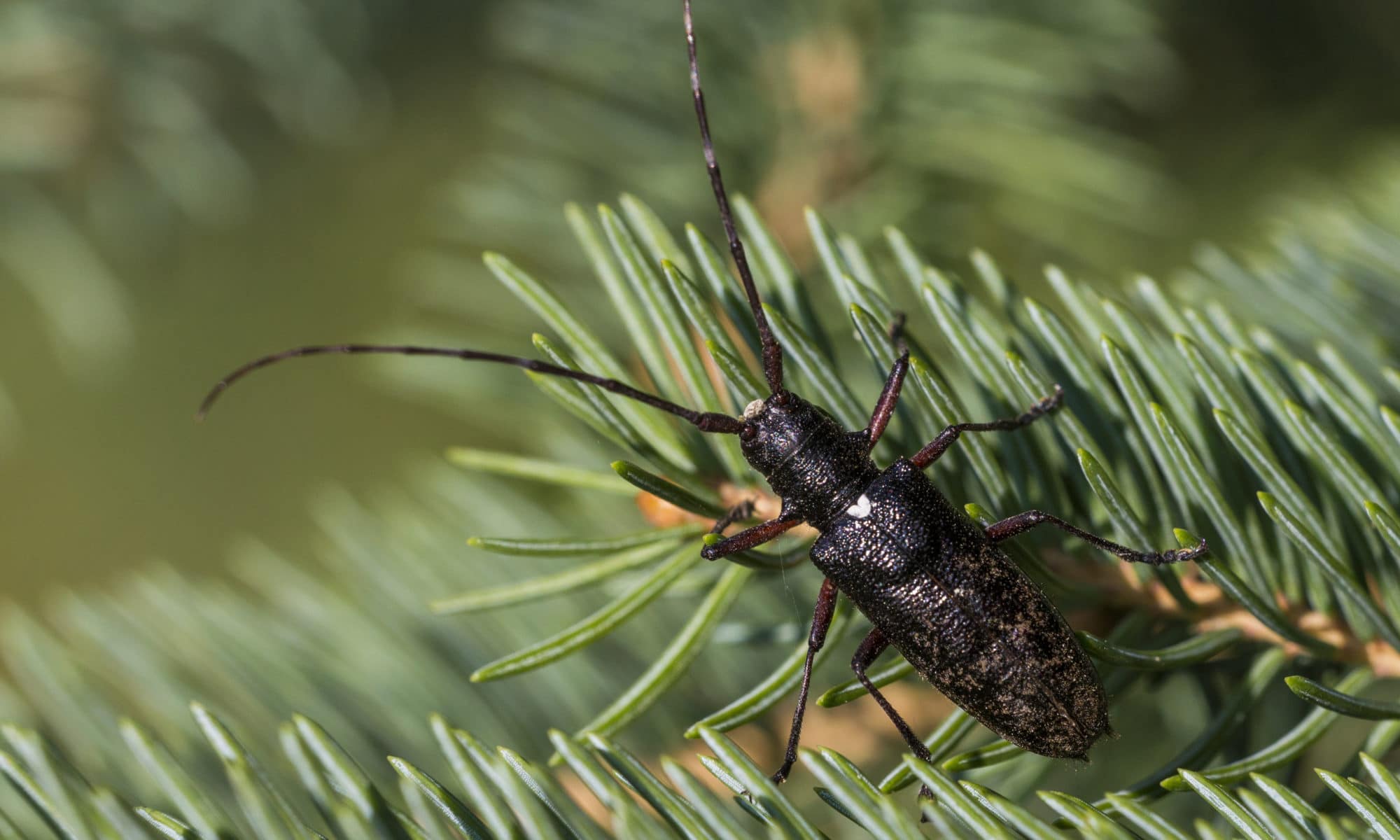

How to Avoid Uninvited Pests This Holiday Season

a bug on a Christmas tree

Holidays are full of all things good: gifts, food, visitors. But occasionally, we find ourselves with visitors that were not invited and definitely aren’t wanted. Let’s discuss holiday pest control.

As fall turns into winter and the air outside gets chilly, most of us spend more time indoors. 

We aren’t the only ones wanting to cozy up inside as temperatures drop. Spiders, insects, and rodents all gravitate toward heated spaces as it gets colder outside. 

If you find yourself with unwanted guests, don’t be a gracious host. Contact Environmental Pest Management for a free quote today. We’ll provide a custom solution to evict those pests and make your season bright.

It’s The Most Wonderful Time Of The Year… 

A mouse in a Christmas present

Unless you have an infestation. Consider holiday pest control options to avoid a present you don’t want. 

There’s nothing like getting a live tree for your home during the Christmas season. They smell amazing and make an unmatchable centerpiece for the holidays.

Many families make a tradition of trekking to the tree farm, choosing, and even chopping down their tree. Others might get a freshly-cut tree from a corner lot, placing their focus on decorating while sipping a hot mug of cider.

Whether you chopped it down yourself or purchased a tree from a parking lot store, use precautions to avoid holiday pests riding in on those branches. 

The best time to inspect your tree is before it’s in your house. Take a close look between the branches. Shake it well before you bring it indoors. This will also release loose pine needles outside, leaving you with less cleanup.  

Once your tree is up, you’ll probably reach for your decorations.

Where have you been storing those pretty baubles? If those boxes were in the basement or the garage, they might have become homes to insects or even mice. 

Control unwanted holiday pests by opening the box and inspecting its contents before you move it out of the storage area. 

If you do find spiders, centipedes, or other unwelcome bugs, empty the container in a place with easy cleanup, such as the garage. Clean the inside of the container with equal parts vinegar and water. Dry thoroughly and check each item as you put it back in the container. 

Store your decorations in plastic totes instead of cardboard boxes to control holiday pests. It’s harder for spiders and other insects to get into them. They’re also easier to clean. 

A Little Extra Work Will Make That Holiday Hearth More Relaxing.

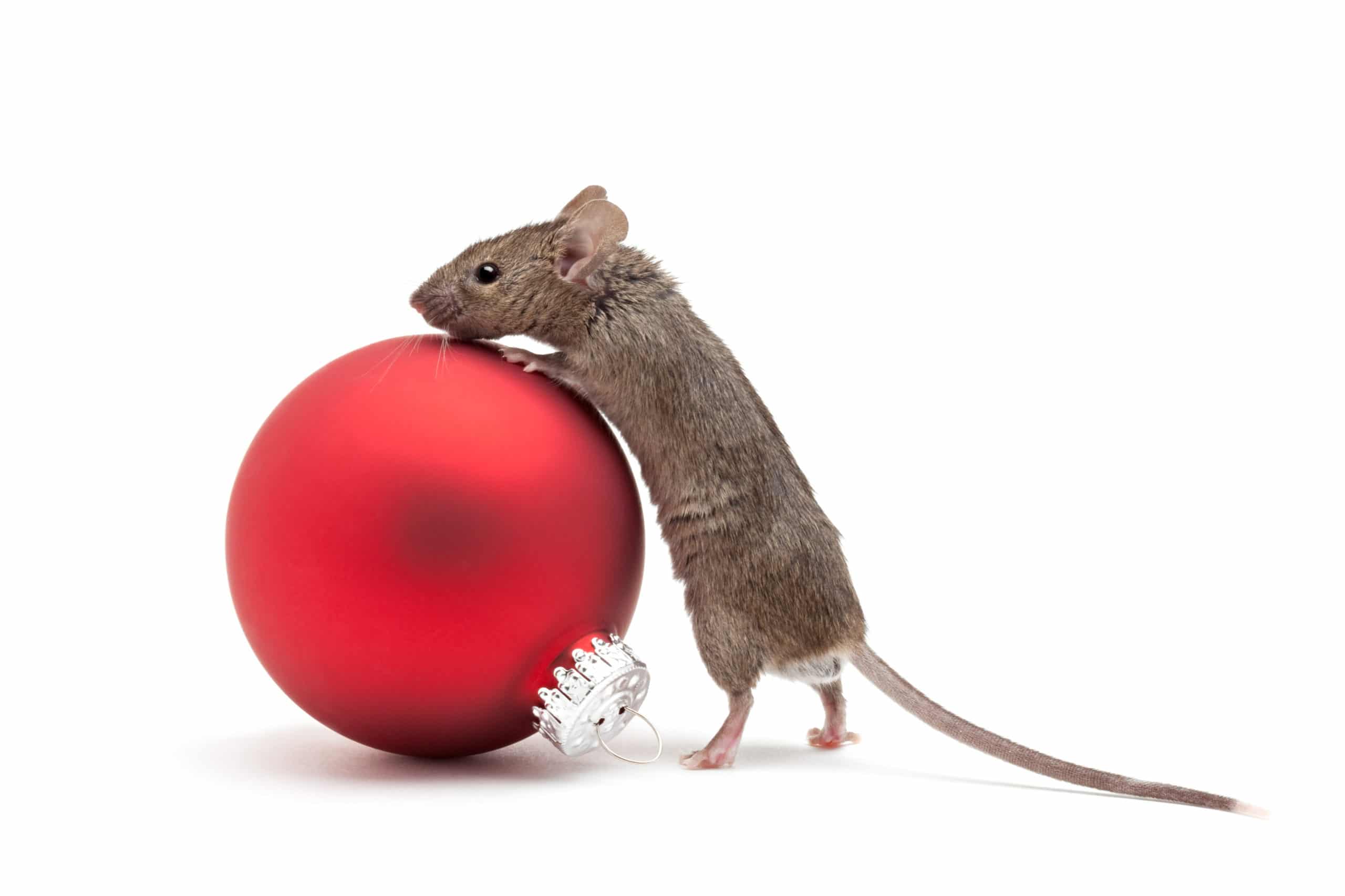
Mouse looking over a red Christmas ornament

Everyone loves a crackling fire and a cup of something hot on a winter night. It’s less appealing to trudge across the yard for more firewood.

It’s tempting to put your woodpile within arm’s reach, but it isn’t a good idea. Woodpiles can attract mice. If your firewood is right outside your door, you might find yourself with more than kindling when you reach out for a stick. 

Avoid furry holiday pests by keeping your firewood at least twenty feet away from your door. Remove piles of leaves around your house for the same reason. 

Don’t Give Pests A Free Ride Home.

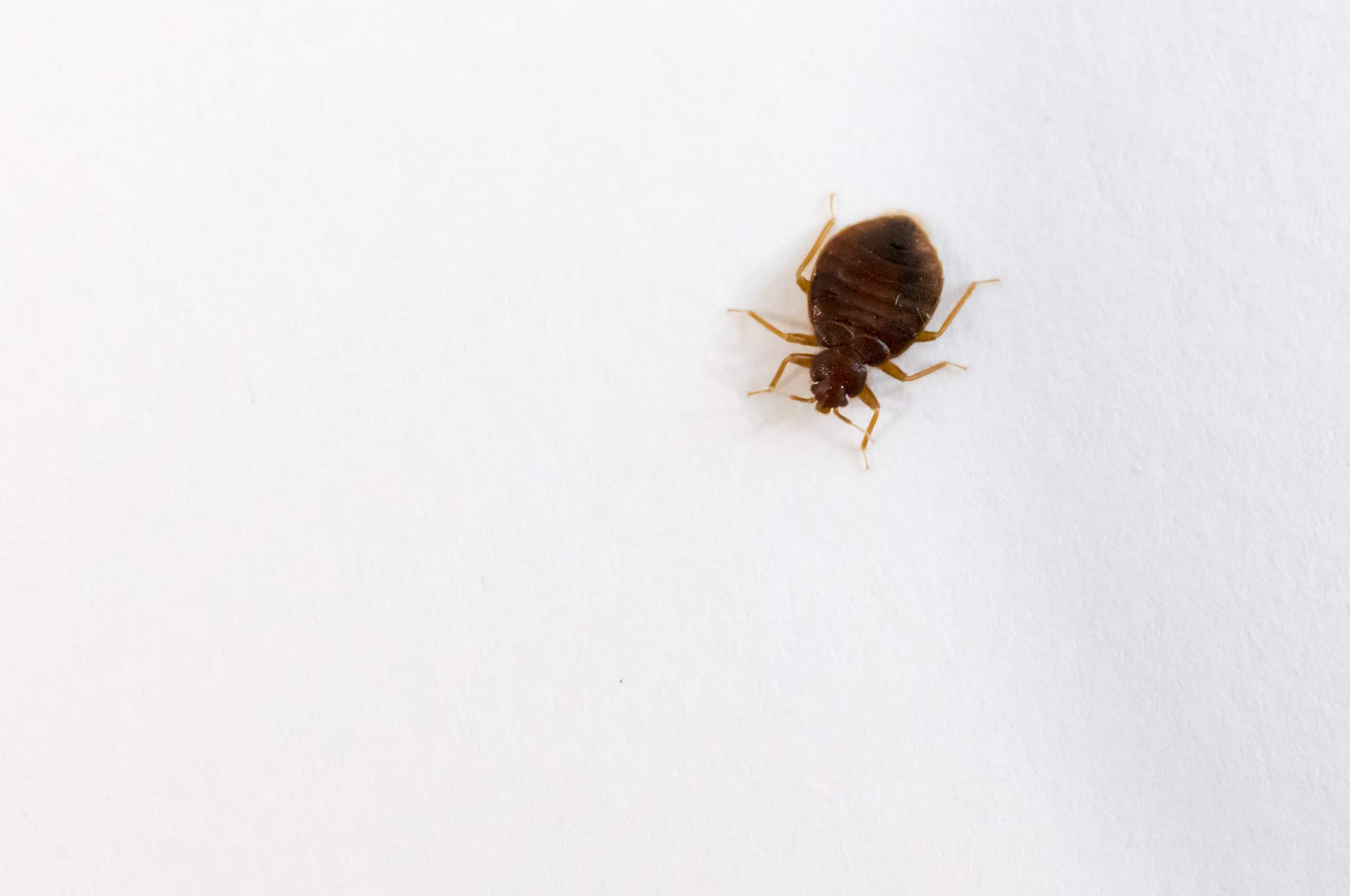
A top view of a bed bug

Bed bugs have become more prevalent in recent years. 

These little tick-like insects are drawn to the smell of carbon dioxide. They avoid light. These two traits make your suitcase full of dirty laundry irresistible. 

Whether you’re traveling to get away from it all or traveling to be near loved ones, you’ll probably be spending some time in a hotel room. Follow these tips to make sure you don’t check out with more bodies than you started with. 

Take these steps to control holiday pests.  At the beginning of your stay, prevent bed bugs from riding home with you:

  • Check reviews of your hotel before staying. Any hotel can have bed bugs, but a good hotel will address them swiftly. 
  • Consider where you put your luggage. Don’t put it on the bed or the luggage rack until you have inspected the room. Leave your luggage in the car or put it in the bathtub (you won’t be setting it on any bed bugs that way) while you check the room. 
  • Bring a garbage bag or sealing vacuum bag for your used laundry. The smell of sweat that attracts the bugs will be contained.
  • Bring an oversized garbage bag for your suitcase. Put the whole suitcase in and seal or fasten it when you aren’t accessing it. 
  • Inspect your room:
    • Use the light on your phone to check over the bed. Look in the seam of the mattress for live bugs or dark spots that could indicate previous or current bugs. 
    • Check the seams of any upholstered chairs or couches in the room.
    • If there is a headboard attached to the wall, use your light to check around the edges and as far behind it as you can see. Do the same with any pictures on the walls.
    • Check the luggage rack if you intend to use it. 

If you do find bugs in your room, tell management. They should offer you a different room – one that doesn’t share a wall with the buggy room. 

Spray your luggage with rubbing alcohol before you head for home. 91% rubbing alcohol is easy to find at drug stores and will kill bugs and eggs on contact. Only do this in a well-ventilated area – you don’t want to breathe it in.  Don’t soak the luggage or you may have discolored spots. 

When you get home, toss your luggage in the bathtub. Take your laundry out and wash it right away. If you have clothes that aren’t dirty, you can skip the wash and run them through the dryer for 30 minutes on high. The heat will kill any hitchhiking bugs. 

Spray your luggage down again with rubbing alcohol and let it air dry. Then vacuum the inside and outside of the suitcase before putting it away.

Enjoy The Holidays With The Ones You Love, And No One Else.

family celebrating ChristmasIf you find yourself hosting unwanted pests, don’t accept them like a poorly chosen present. Contact Environmental Pest Management today for a free inspection. We’ll customize pest control services to evict those unwanted guests and make sure they stay out

What To Do If You Have Bats In Your House

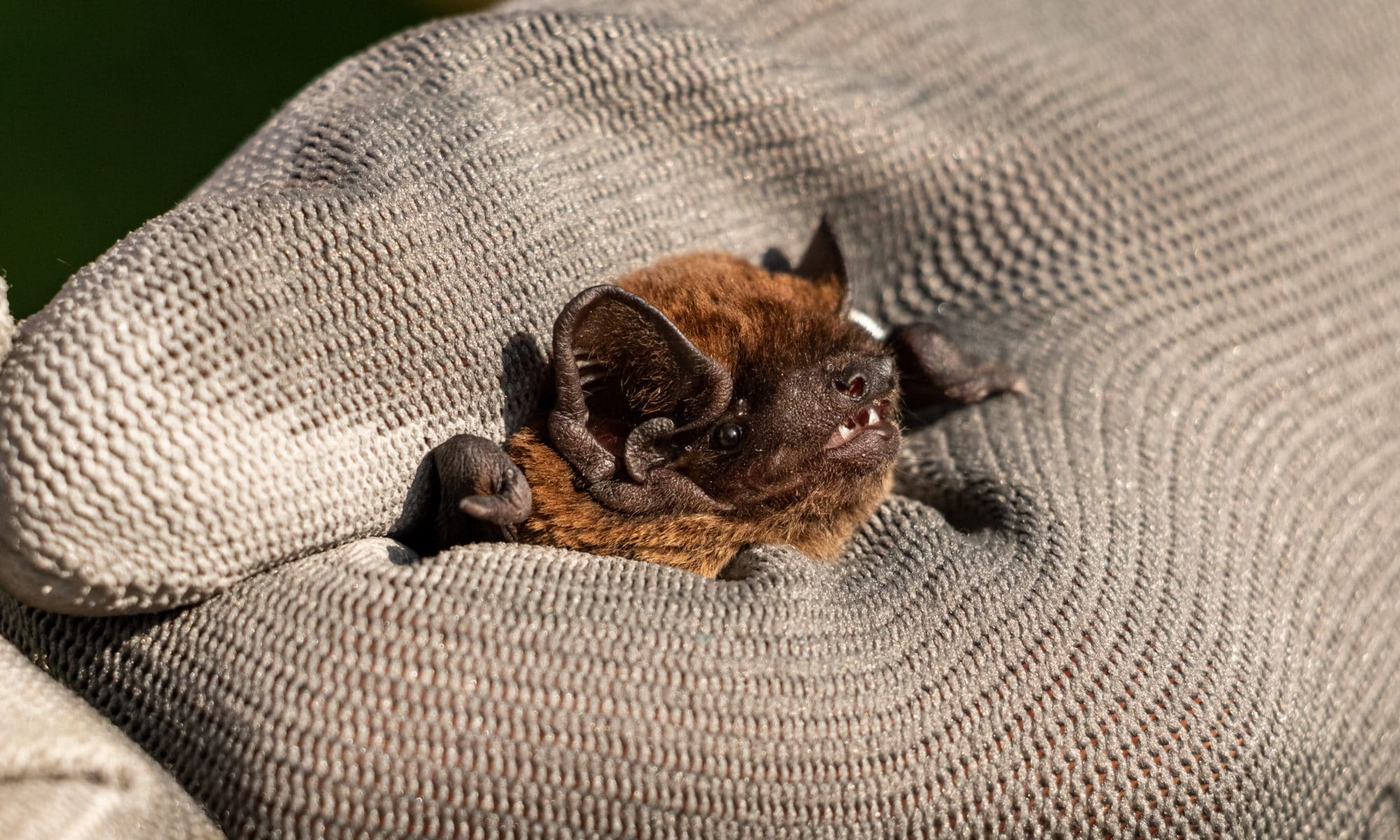
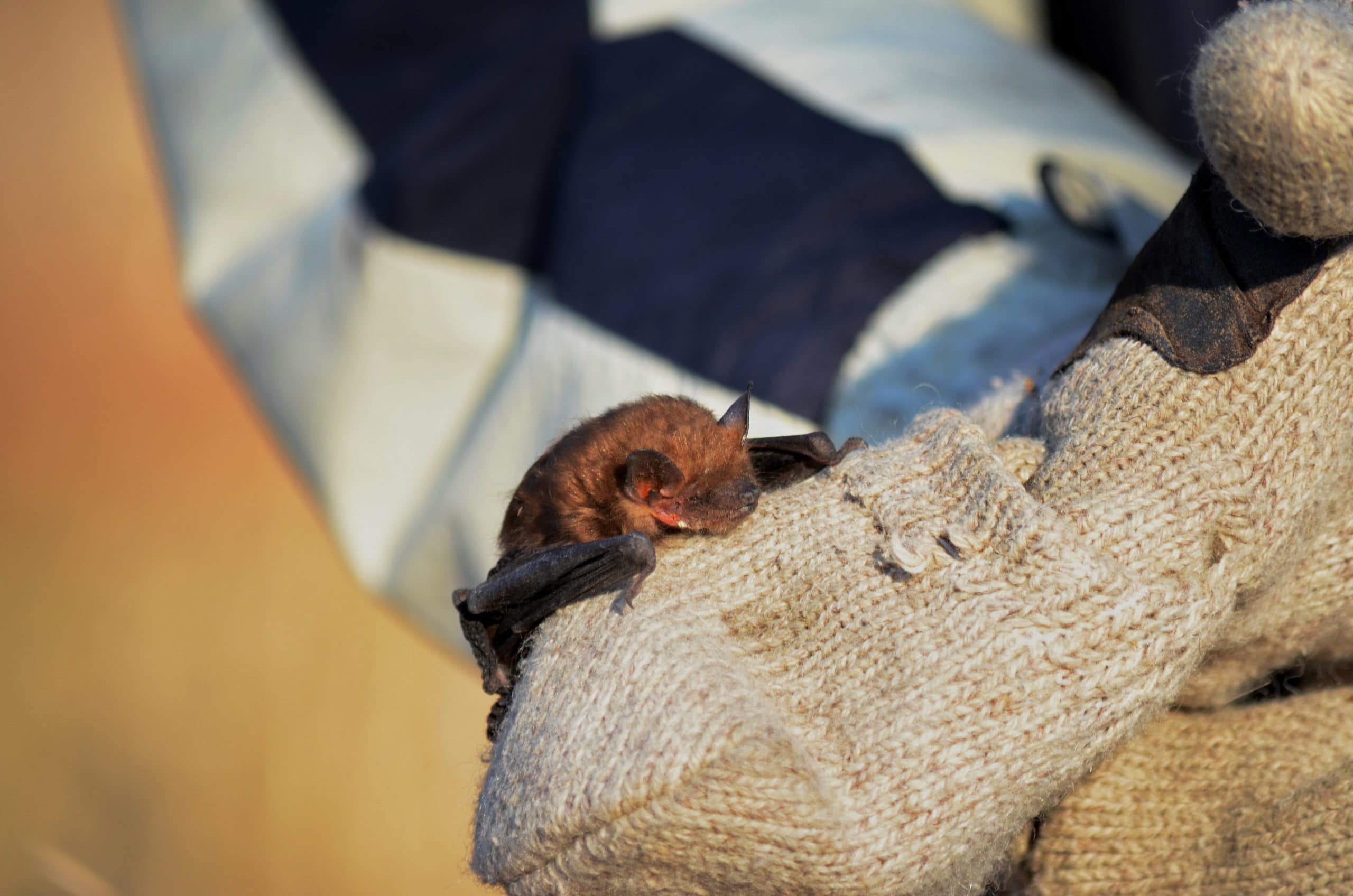
a Little Brown Bat in the hand of a pest control worker

You catch something out the corner of your eye. Did you imagine it?  Then you hear the flutter. Your heart flutters along with it as you realize there is a bat in your home. 

Do not panic. Reach out to Environmental Pest Management for a free quote today.

Your first step is to determine if it is a single bat led astray or more than that. The two situations are dealt with very differently. 

Single Bat

Rescued Big Brown Bat from home

Again, do not panic. You can do this!

The bat is most likely lost and is frightened itself. According to The Humane Society of the United States, there are things you should and should not do when it comes to bats.

The bat will generally fly until it finds a perching place. They like to stay close to the ceiling and fly in a U pattern. Curtain rods and pants are a favorite, as they can hang on them.

Get all the children and pets out of the room and close off any interior door. Open all windows and outside accesswindows, doors, and skylights. Hopefully, the bat will exit by itself. 

If the bat is still there, wait until it lands before trying the next steps.

Put on suitable work glovesnot knit, as the bat claws can latch on to those. If you do not have any, roll up a t-shirt. Bats usually will not get into your hair, but a reasonable precaution. 

Never use bare hands when handling a bat. If you are worried about your hair, pull it back or put on a hat. Bats usually will not get into your hair, but a reasonable precaution. 

Find the bat in it’s landing spot. Have a plastic tub or a container and piece of cardboard ready. Cover the bat with your container and carefully slide a piece of cardboard under, covering the entire box. 

Your bat is now trapped safely! You did it!

Next, you want to go near a tree and tilt the container and let the bat climb onto the trunk. Bats can not fly from the ground, so do not release them in your yard. 

If you do have contact on your  skin from a bat or wake up and see a bat, contact your doctor. Some bats may carry rabies, just like any mammal. While rabies is always fatal in humans, it is also 100% preventable with proper treatment. 

Bats, Bats, and More Bats

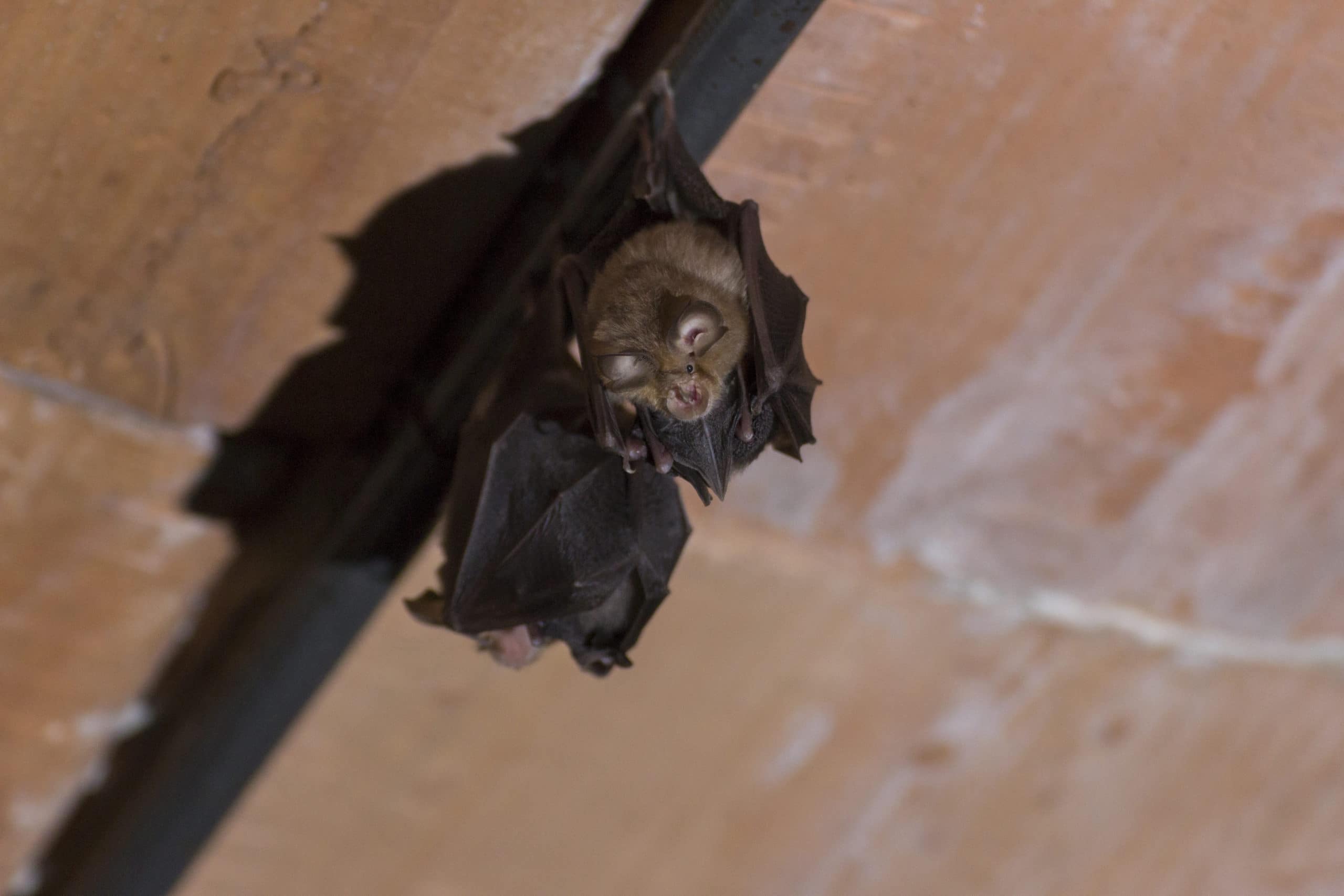
Two bats in a home

What if you find evidence of more than one lost bat? Contact an expert. Free quotes are available at Environmental Pest Management, serving Minnesota in the Twin Cities metro area and surrounding suburbs, Rochester, East Central Minnesota, and several counties in Western Wisconsin (see below for a complete county list).

Minnesota and Wisconsin bats are generally one of two species: the Big Brown Bat or the Little Brown Bat.

Bats use open spots to get into your homes, such as attic spaces, wall cracks, and soffit/fascia areas.

Bats are looking for a place for their winter hibernation and a place where they want to breed and socialize. Bats have a choice when colder weather arrives: hibernate or migrate to a warmer climate with an available food supply. 

Bats are mammals but not flying rodents. Their teeth are made for eating insects and will not damage structures or wood.

The goal is to get the bats out, without harm. Bats are a vital part of our environment. Bats eat insects, pollinate, spread seeds, and are the prey of other animals, as shared by the National Park Service.

Getting bats to join other colonies is the best outcome. There are times of the year when bat removal is not possible, such as when bats are in hibernation (they would get sealed into your house, which no one wants) and after birth, while the babies are still flightless.

Inspection of your home or business will determine the course of action. You want to rid your place of bats and prevent any future problems. Bat removal is a job for professionals who have the proper equipment. 

More Information on Bats

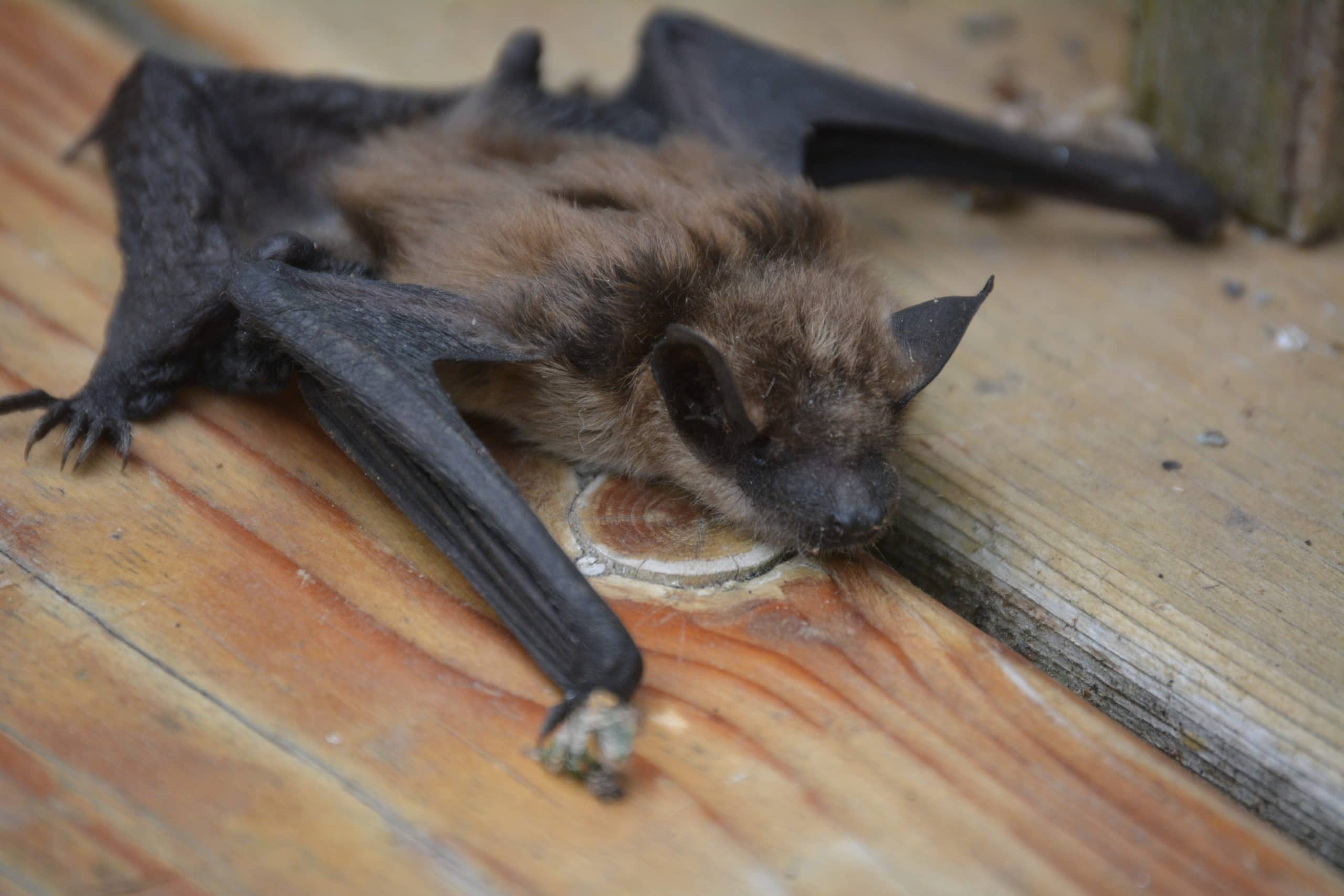
Big Brown Bat on a Deck

As stated, bats are significant for insect control. They consume insects every night. National Park Service tells us more than $3.7 billion worth of pest control in the United States is saved by bats annually. 

Bats help control the insect population, and other animals rely on bats for their survival. “Hawks, falcons, and owls eat bats, and mammals like weasels, ringtail cats, and raccoons sometimes attack bats while they roost,” according to the National Park Services. 

Bats often are thought of blind. This statement is false, as bats have decent eyesight. The larger fruit-eating bats can see three times better than humans.

Echolocation is used for bats to “see” obstacles and hunt prey in low light, such as their prime times of dawn and dusk. Bats are curious about new objects and will fly close to check it out. 

Do bats really drink blood? Yes, vampire bats do exist and drink blood from other animals. But do not worry, vampire bats live in Latin America. 

With over 1,300 species of bats worldwide, bats are the most diverse mammal group other than rodents.   

In warmer weather, bats seek out water, such as streams, lakes, and ponds. Bats do not like the sun or heat, and that is why you see them hanging from underneath a tree or in caves. Hiding also protects bats from their predators.

Why Environmental Pest Management

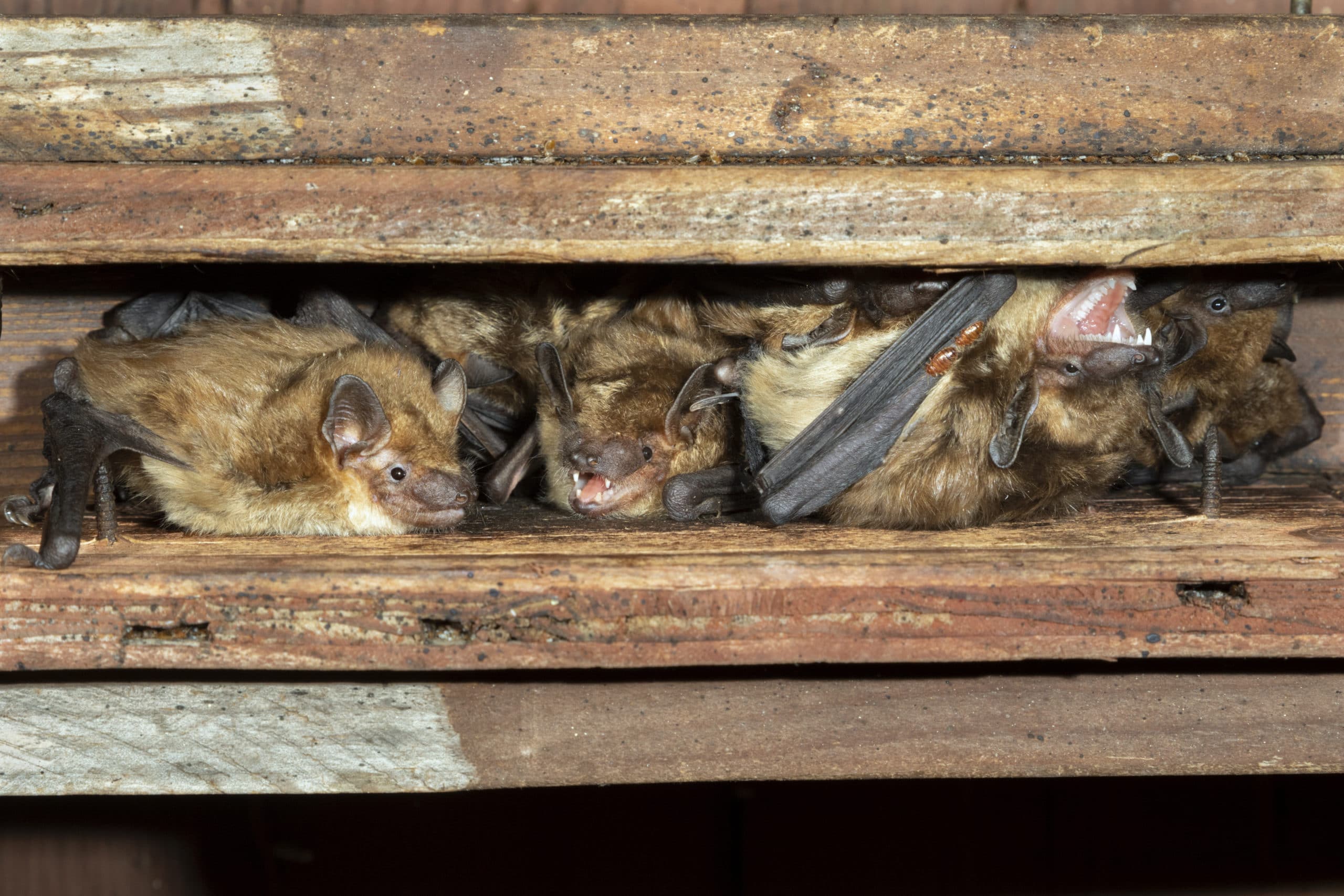
Big brown bats in a house

Environmental Pest Management is a company you can trust. It provides a free inspection for your bat problem, takes care of the bats in an environmentally safe way, members of professional associations, and a guarantee of satisfaction.

Wherever you live throughout Minnesota or Wisconsin, Environmental Pest Management is here for you. We know you work hard on keeping your home just how you like it, that does not include unwanted pests.

If you have any uninvited roomates you want removed, call us. We will come to your home, create a plan for you, and give you a free quote. No two homes or situations are the same, so no two plans are alike.

Call us today.

Dealing With Clothing Moths

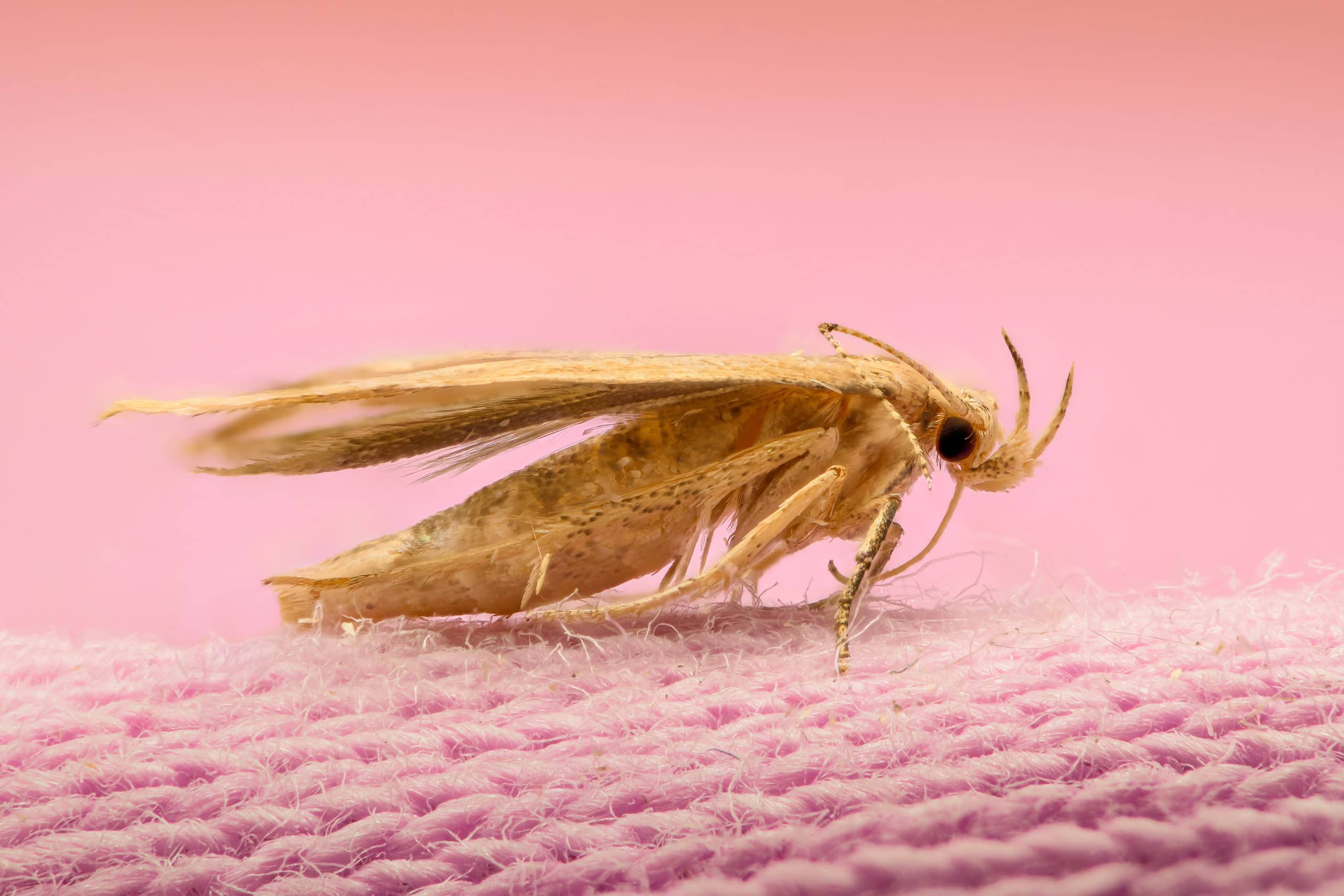
a moth on a pink, knit piece of clothing

When thinking of old clothes in closets, garment bags, plastic dry cleaning bags, and moth-balls often come to mind. The clothes kept are often victim to clothing moths over time if not monitored.

If you are dealing with clothing moths and seek relief, reach out to Environmental Pest Management for a free quote today.

If you want to take back your closet and protect your favorite clothing from destruction, we have your back. Read on for our tips on dealing with clothing moths. 

Small Powerful and Mighty

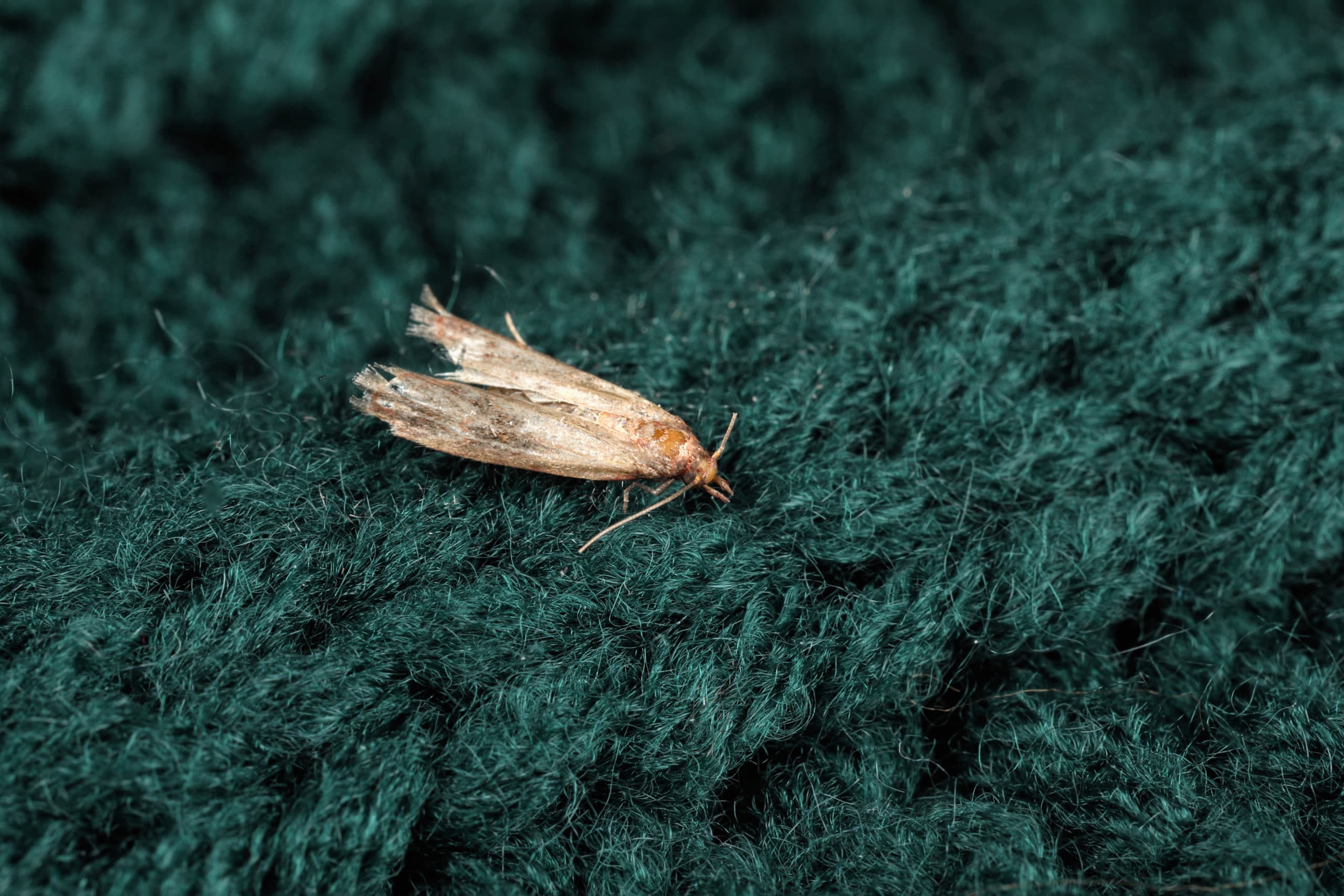
Common clothes moth (Tineola bisselliella) on green knitted fabric

The name clothing moth is quite deceptive. Webbing and Casemaking Clothing Moths also feast on items containing the protein keratin. Examples of these items are but are not limited to:

  • Upholstered furniture and drapes
  • Items made of animal byproducts such as fur, silk, leather, or wool. 
  • Dirty clothing (contains body oils, possible food debris, etc.)

Clothing moths differ from their brethren you see around street lamps or sometimes in pantries. While they are related, their appearance and behavior vary greatly.

These moths that don’t feed on clothes are greater than a centimeter long, and will often feed on plants. A fun fact about most moths is that they are bald: a detail that one would only notice with a microscope in most cases.

A great rule of thumb if you see a moth is that if it is over a centimeter long, it is not a clothing moth.

There are two types of clothing moths: Casemaking Clothes Moths (Tinea Pellionella) and Webbing Clothes Moths (Tineola Bisselliela). Unlike their traditional moth counterparts, they are just one centimeter long and are yellow or greyish. 

Being just one centimeter long makes these moths particularly hard to distinguish from one another. Webbing Clothing Moths are uniform in color. Casemaking Clothing Moths, on the other hand, are of the same color, but their wings are often speckled. 

Traits that both moths share are the tufts of hair on their heads as well as their size. The next feature is what sets these fabric munchers apart from their larger outdoor counterparts. Neither species of clothing moths have mouths once they are grown. 

You read correctly, and they have no mouths. So how these moths can eat clothing and fabric is the mystery here. The actual adult clothing moth does not eat fabric; their larvae do.

Hungry at Birth

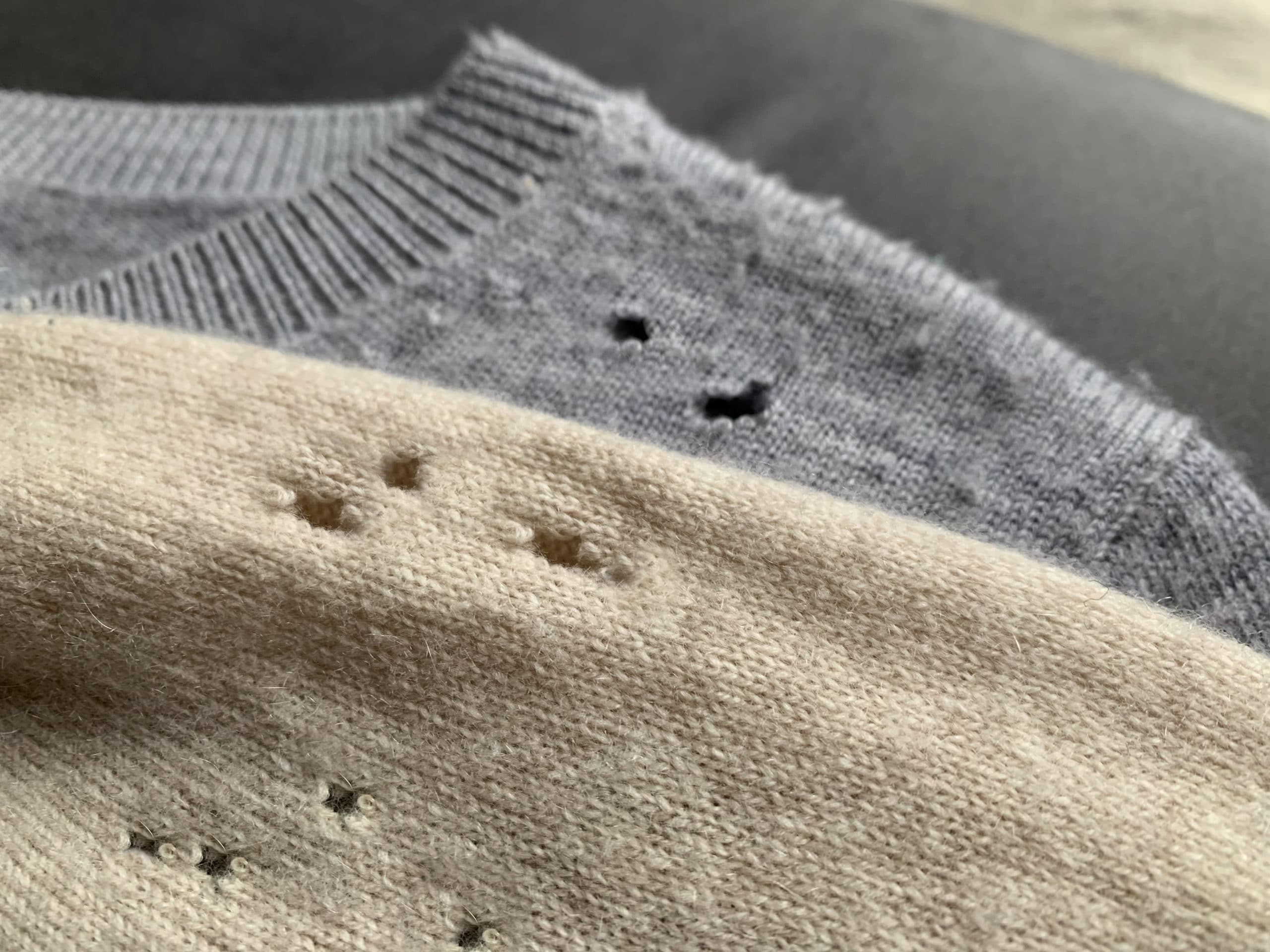
Two expensive cashmere sweaters with holes and damaged, caused by clothes moths

Clothing moths of either species lay their eggs on clothing so that they have food when they hatch. According to an article written in the New York Times, the eggs are held to the fabric by an adhesive layer covering them. 

Other cloth eating insects like the Carpet Beetle will not have this layer, making them easy to dispose of with a vacuum and vigilance. The concrete coating makes them impervious to vacuuming or dusting. 

Once they are born, they feed on whatever clothing they are attached to. Among clothing moths, favorite foods are animal originated fibers, feathers, mohair, wool, and fur. They also prefer clothing that has lingering body oils or food even.  

Unfortunately, though, the eggs are not typically seen until they have hatched. Their larvae leave a web that resembles dried snot. This web is a trait of both species of Clothing Moths. 

A Bug’s Life

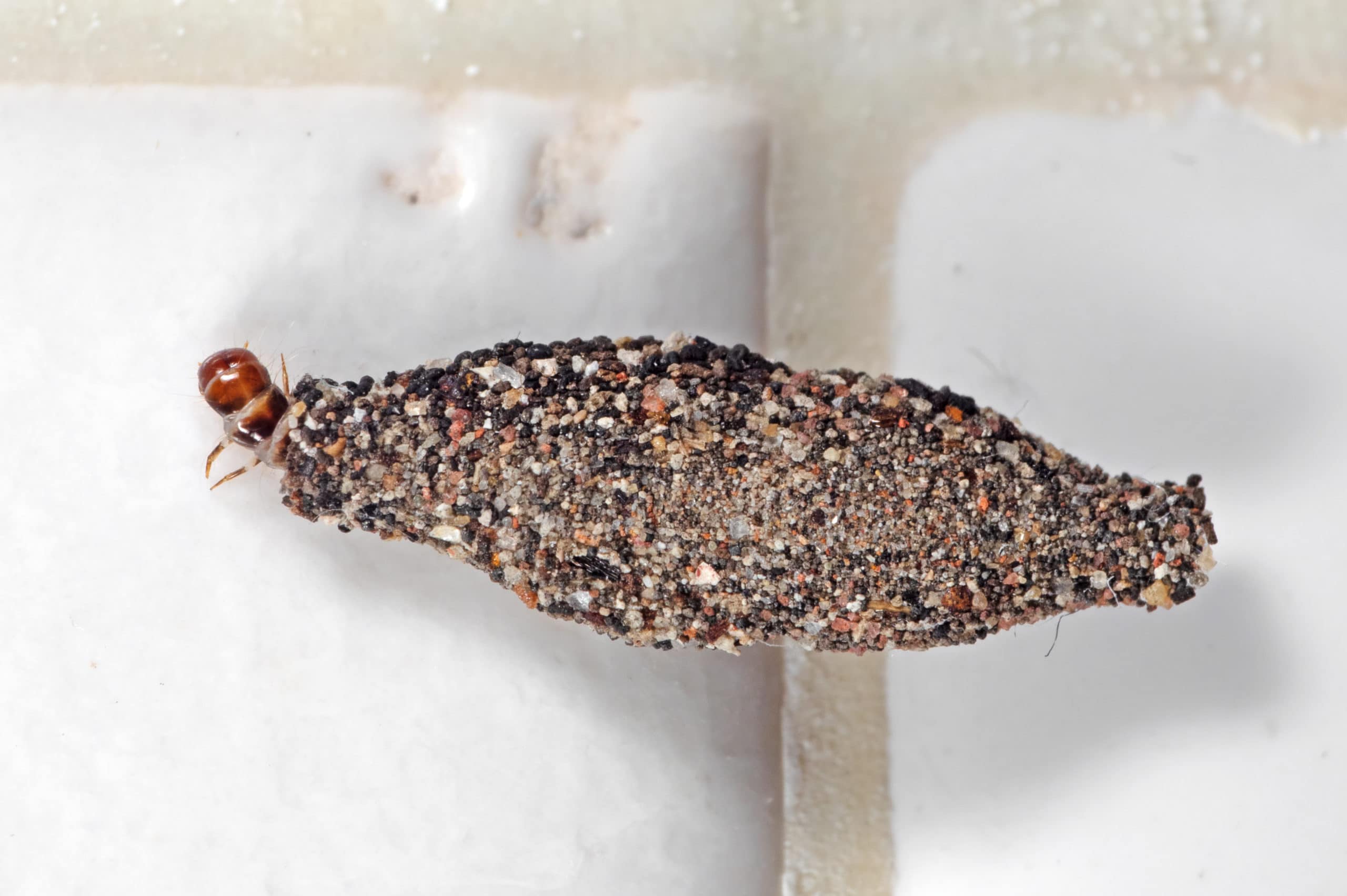
Macro Photography of Case Bearing Clothes Moth on White Wall

Both the Webbing and Casemasking Clothes moths go through complete metamorphosis. That is, there are four stages to their short lives; egg, larvae, pupa, and adult. 

When eggs are laid by either Clothing moth species, the gestation period is four to ten days. This time frame can change drastically, depending on the temperature they are laid in. In the winter, they can take several weeks to hatch. 

Casemaking moths will attach themselves to their food source with a silk thread and hang from it. Webbing moths will make cocoons out of silk where the larvae will feed. These cocoons are a definite sign of infestation.

Their development will take one to three months, depending on temperature and availability of food. 

Once an adult, males immediately begin to mate as much as possible. They will only live for about a month. Their female counterparts live just as long and will lay as many as 300 eggs before dying.   

In the event that larvae and eggs are found on clothing, a great DIY option is brushing the larvae off the garment outside in the sunshine. You can also take the step of dry cleaning items not damaged. 

Preventing Clothes Moths and Protecting Your Closet

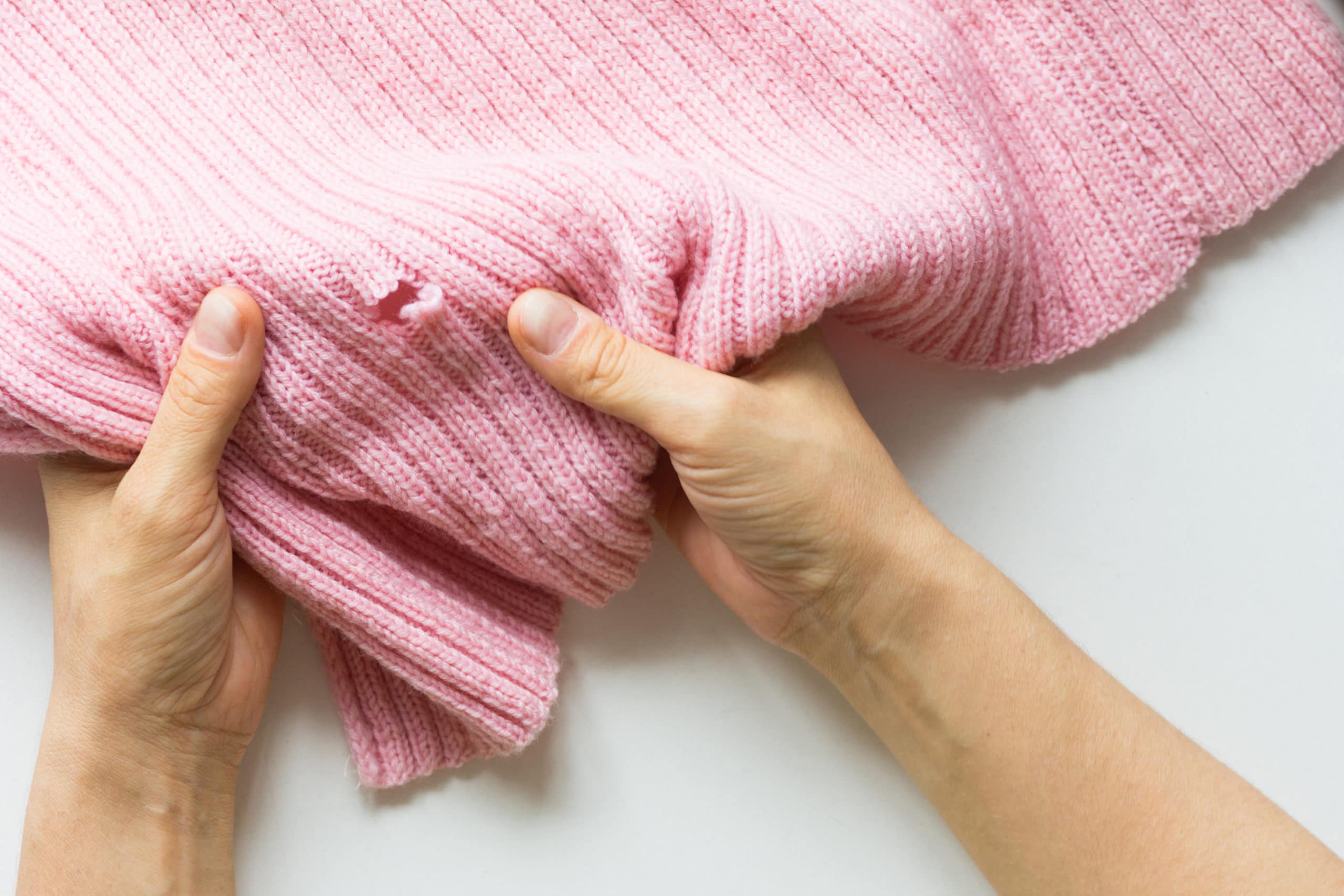
Woman hands holding the knitted thing with hole made by a clothes moth

As with any pests large or small, prevention is the key to avoid infestation. However, prevention isn’t often thought of until the first holes are seen, and the moths are gone. 

Clothing moths love to be in dark and warm places, just like the backs of our closets. Mostly because the clothes are left alone, there is no light, and it is not cleaned regularly. Sometimes even clothing kept in garment bags.

Cloth garment bags are not the best idea because clothing moths will eat through them to get the clothing in it. 

The ideal maintenance plan would be moving unused garments every so often and letting light in as well. Clothing moths of either species are not keen on light or movement. This will help prevent them from sticking around.

It is also strongly suggested that the closet said garments are stored in should be deep cleaned and vacuumed periodically.

Clothes that are vintage or are not to be worn again should be placed plastic sealed containers. Vacuum sealed bags are also an excellent storage option that provides excellent protection and is a space saver as well.   

Moth-balls are also a common defense, but should only be used as a last resort as they are potentially toxic. If moth-balls are used, directions should be strictly followed. 

With good old fashioned cleaning and vigilance, clothing moths can be kept at bay. If you want true peace of mind, however, be sure to call Environmental Pest Management for a free consultation today.

They are well versed in both the eradication and prevention of clothing moths and any other unwelcome pests. Don’t let your most valued wardrobe pieces be destroyed.

Biological vs Chemical Pest Controls

pest controls

Biological controls and chemical controls both have a place in dealing with pests. Your unique situation will play a big part in choosing the best solution. 

Contact Environmental Pest Management today for a free quote. We’ll walk you through all the options and find a solution that meets your needs and respects our environment. 

There’s something uniquely satisfying about growing your own food. Vegetables smell better. Food tastes fresher. There’s a sense of ownership in bringing those big tomatoes or beans to the table. 

The flip side of that is the unique sense of frustration when pests move in and eat your hard-earned crop. They didn’t plant the seeds, or pull the weeds, or remember to water them. How incredibly rude to just show up and start eating your food. 

So, of course, you want to remove these little freeloaders. 

Let’s consider some of your options.

Biological vs Chemical Pest Controls

Biological Pest Controls

Sometimes referred to as natural control, biological control is a method of reducing pests by introducing their natural predators into their space. 

While biological control isn’t quite the same things as DIY pest management, it’s up the same alley. Many people who choose DIY methods will lean towards biological controls.

Nature sometimes helps us get rid of unwanted pests. A sudden change in temperature or a wind event might knock down a pest population. 

But a naturally-occurring event is not the same as a biological control. To be a biological control, a human must set things in motion. 

Some people will introduce a beneficial predator to control pests in their gardens. Predator insects feed on other insects. 

Some examples of predator insects include:

  • Lacewings eat aphids, caterpillars, and beetle larvae.
  • Ladybugs eat spider mites, the larvae of beetles and other small insects, aphids, and numerous other smaller pests.
  • Wasps eat most smaller insects, spiders, flies, beetles, caterpillars, and sometimes other wasps. 
  • Dragonflies are great for controlling mosquitos. They also go after moths, midges, and sometimes bees. 
  • Spiders eat all kinds of insects. If they can catch it, they’ll eat it. That includes eating other spiders. 

Careful consideration must be given before any new species is introduced to an environment. Only self-limiting or environmentally-limited species should be used for this purpose. 

People trying to control pests have inadvertently opened the door to several invasive species. Farmers in Australia in the 1930s tried introducing the Hawaiin cane toad to protect their sugar cane from beetles.

The toad did reduce the beetle population, but since it had no natural predators in the new environment, it quickly became a nuisance. 

The cane toad secretes a toxin that is dangerous to would-be predators and is particularly toxic to dogs. 

We don’t want to replace our pest problem with more significant issues. Always consult with a pest professional and your local ordinances before attempting biological pest control.

Chemical Pest Controls

Sometimes, natural pest control options just aren’t enough. 

Pesticides are chemicals – usually human-made – that kill pests while leaving your plants uninjured. 

Chemical pest control tends to be the most powerful option, but it can have unwanted side effects. These chemicals are meant to kill, and they don’t cease to exist after your pest is eradicated. 

Pesticides get a bad rap because they have the potential to harm people, pets, and the environment. Excessive use will damage more than the pests you target.  

Picture yourself sitting on your deck, enjoying a late summer day. 

A fly comes along and is determined to get a bite out of you. You reach for a fly swatter. You swipe at it several times but have no luck. 

The fly tells his buddies how tasty you are, and they join him. You manage to swat a few, but these flies are tough. Some of them keep zipping around even after being swatted. 

Luckily for you, there’s a spray can of flying insect killer right next to you. You grab it, spray a cloud around your uninvited guests, and they drop. 

Chemicals are great for situations that are impractical or impossible to control with natural methods. 

We need to treat them with respect, though. You wouldn’t spray that fly while it’s on your arm. If you had a cold drink sitting in the area you just sprayed, you wouldn’t continue drinking from it. 

The EPA regulates these chemicals, and they are safe when used correctly:

  • Always start by reading all of the directions.
  • Protect your skin and face with gloves, a mask, and goggles.
  • Only apply the pesticide in an area with adequate ventilation. If you’re using these indoors, make sure you have windows open, run a fan, and limit your time in the space. Then leave the area for the amount of time the manufacturer recommends. 

Biological vs Chemical Pest Controls

Integrated Pest Management

The solution to your pest problem needs to work. Biological and other natural controls aren’t always effective.

You also don’t want to poison yourself, your pet, or your planet. Your choice needs to be responsible. Integrated pest controls draw from both natural and chemical resources to minimize environmental impact. 

An integrated control plan starts with knowledge of the pest you’re trying to remove. The pest’s life cycle is determined so that pest predators can be introduced at the most effective time. 

Biological pesticides (or biopesticides) target specific pests. They are made from living organisms (such as microbes) or the product of a living organism (such as hormones).

Where chemical controls are like taking a shotgun approach, integrated controls are more like using a scalpel. This method is a thoughtful approach that limits potential environmental damage while placing a high value on results. 

Talk To the Professionals

Whether your pests are indoors or outdoors, a professional service will yield the best, most environmentally responsible results. At Environmental Pest Management, we are passionate about providing safe and effective pest control. 

Contact us for a free quote today. We’ll help you develop a plan that controls all your pest problems without breaking the bank or our planet.