Environmental Pest Management

11975 Portland Ave, Suite 126 , Burnsville, MN 55337

Working Hours
Mon - Fri 8:00a to 4:00p

Call us
952-432-2221

How To Get Rid Of June Bugs

june bug portrait

Summer’s coming! You know it’s summer when you hear the whack of June Bugs smacking into your sliding glass door. Let’s discuss how to get rid of June Bugs.

Are you ready to enjoy the season? If you want to relax this summer, let Environmental Pest Management handle pest control. 

We handle all kinds of indoor and outdoor pests in the Twin Cities and greater Minnesota. Contact us today for a free quote.

How to Identify June Bugs

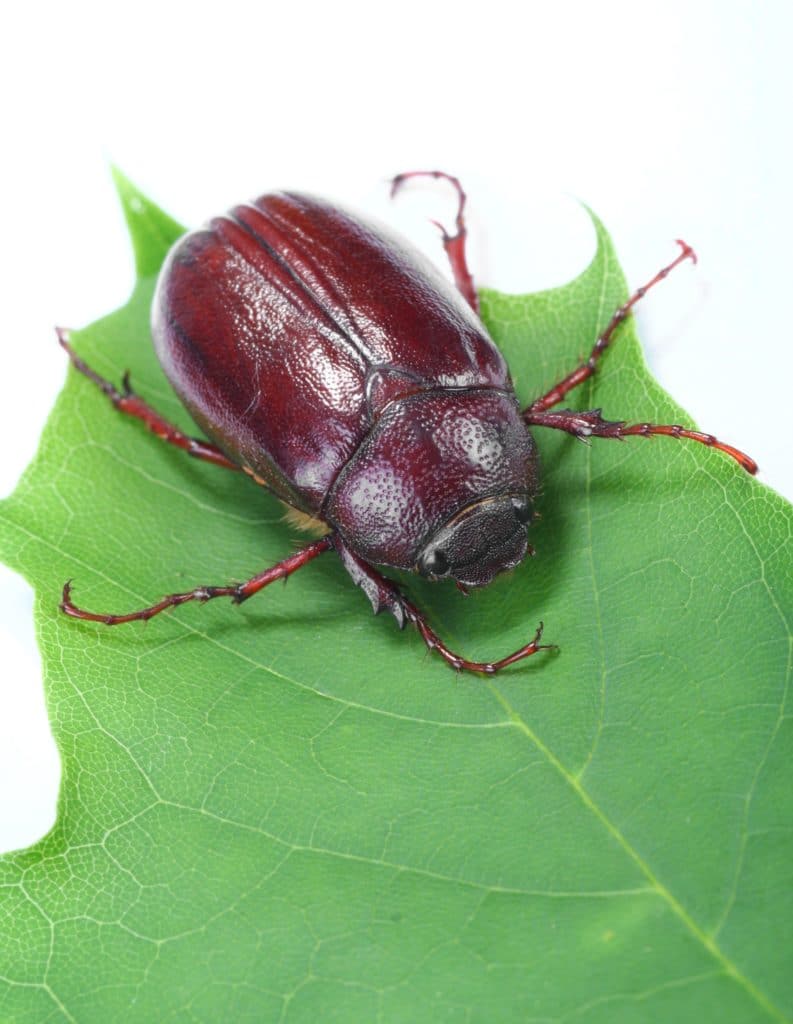
A large June Bug on a green leaf.

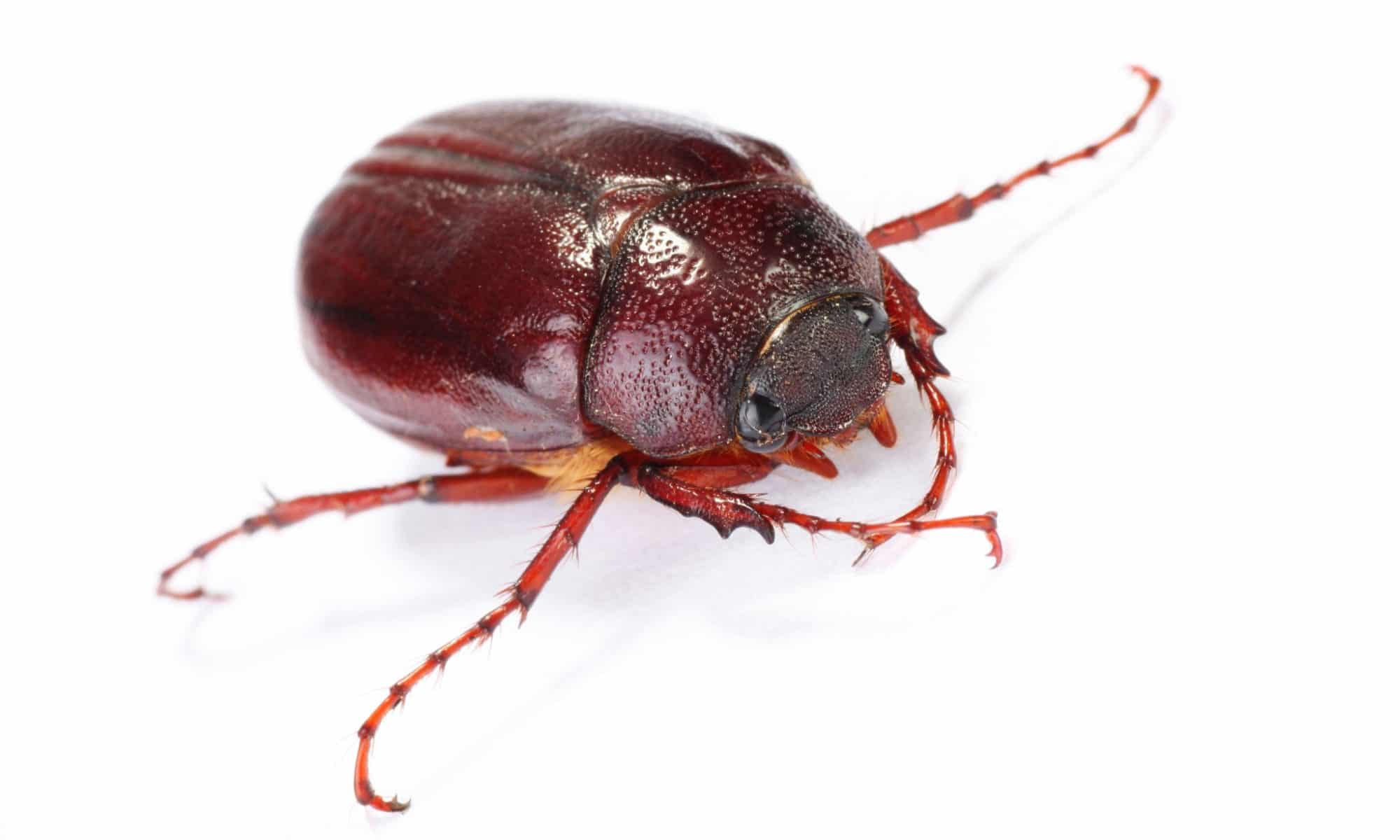
There are hundreds of June bugs species, but in Minnesota, there are roughly 20 bugs with this name. June Bugs in our area are about an inch long and have an oval-shaped body.

These bulbous bugs have six hairy-looking legs and a pair of black antennae. They are dark brown, although some appear almost black or maroon. 

The June bug’s back and body is a hard, smooth shell with a uniform color and no markings. The underside is hairy. 

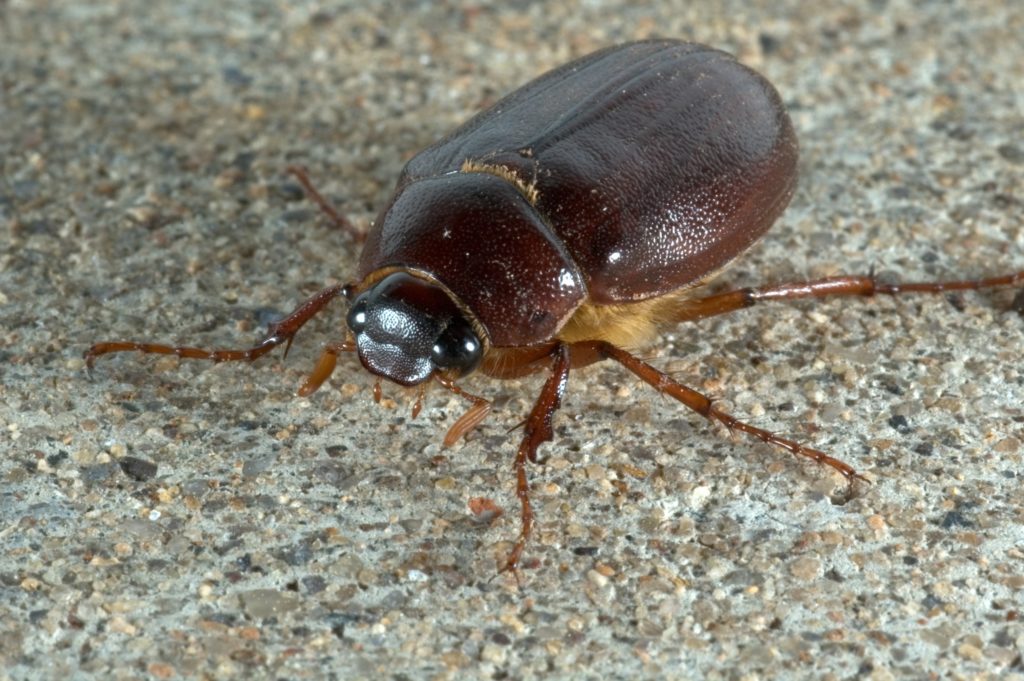
When they walk, they move in a bumbling way, almost as though their legs are too short for their bodies. When they fly, they always look like they’re about to crash.

They certainly are goofy, graceless bugs.

June Bugs are unique insects with two sets of wings. That hard shell covering the backside is a set of wings. There’s a second pair underneath the first.

The top set of wings serves to protect the bug but sticks out straight to be out of the way in flight. The top wings sticking out make this bug aerodynamically awkward.  

What Is A June Bug’s Life Cycle?

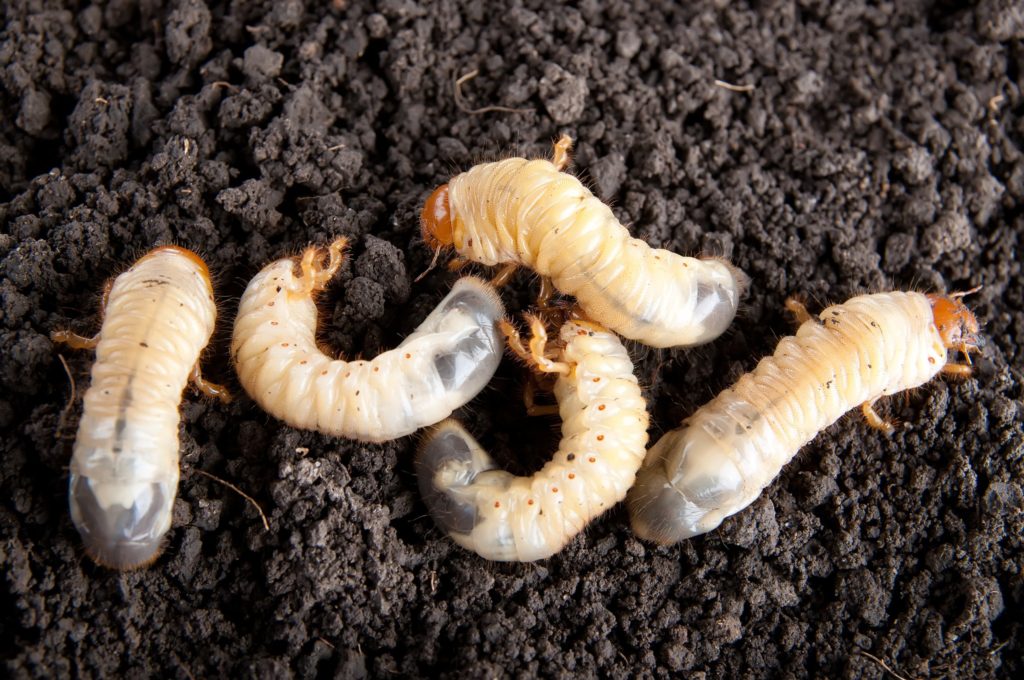
June Bug Larvae on potting soil

Adult June Bugs show up in or around (you guessed it) the beginning of summer. But where do they originate?

The bug begins life as an egg. The little white egg takes about three weeks to hatch.

The June Bug larva makes its way into your soil. It has a huge appetite, and it will molt twice before moving to the next stage of life. 

The bug will continue in the larval stage, eating roots and growing for one to three years. 

When the larva has grown and matured enough, it enters the pupal stage.

The pupa starts dark brown, gradually taking on an iridescent sheen. The pupa remains underground and doesn’t move at all during this stage.

The pupal stage lasts about three weeks. When this stage ends, the adult bug finds its way out of the ground and flies off to find a meal.

What Draws June Bugs To Your Home Or Yard?

walking june bug

June Bugs are attracted to moist soil and organic material. If you leave grass clippings left in your yard, June Bugs will be happy to dine there.

Damp soil is an ideal place for June beetles to lay their eggs. When the eggs hatch, the June Bug grubs will burrow into your lawn.

June Bugs are drawn to any light source. If you have exterior lights on in early summer, you are likely hosting a nightly June Bug party. It may be the reason you’re researching how to get rid of June Bugs!

What Harm Do June Bugs Cause?

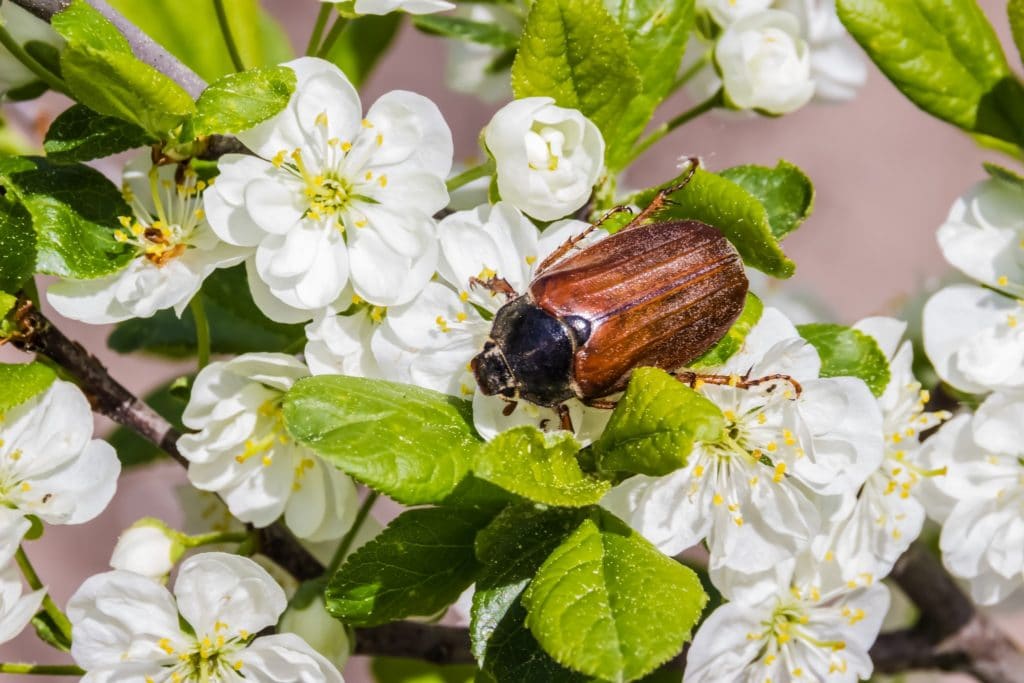
A June Bug on white blossoming flowers.

This flying, bumbling beetle is not a danger to people, and they do not want to bite or eat you. But June Bugs are interested in your plants.

June Bugs eat a wide variety of plant leaves, making Swiss cheese out of your lawn and garden. But that’s just the start.

The bugs lay eggs in your soil, turning your yard into a June Bug nursery. When the eggs hatch, the grubs feast on the roots of your plants.

A grub infestation can cause patches of dead grass to show up on your lawn. Brown patches in your yard are a sign of grubs munching on your roots.

Bugs in your lawn can also attract other animals notorious for being pests. Skunks and raccoons will dig small holes digging up grubs for dinner. 

How To Get Rid Of June Bugs

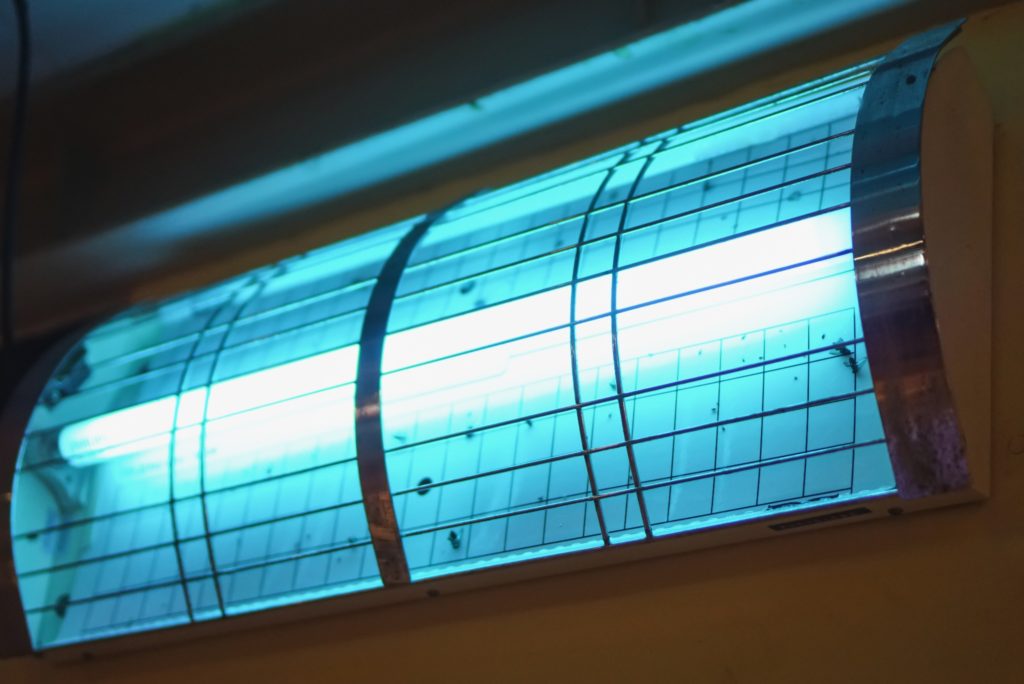
A bug zapper light installed and lit up to help prevent June Bugs in a yard.

The first step to getting rid of June bugs is to focus on the adults. 

If you aren’t squeamish, grab a pair of gardening gloves and pick the bugs off your plants by hand. Place them into a jug of soapy water to drown them.

If you prefer a hands-off approach, try this integrated pest management approach. This DIY insect killer is safe for humans and the environment:

  1. Mince four cloves of garlic. Soak them overnight in a tablespoon of mineral oil.
  2. Drain the oil, then add the garlic to a pint of water.
  3. Add a teaspoon of dish soap to the mix. 
  4. Put two tablespoons of your mix in a pint-sized spray bottle. Fill the remainder with water.

To get rid of June Bugs, spray the ones you see, as well as the plants they’ve been munching. The method also works well on Japanese beetles.

You can also reduce your June Bug count by installing a bug zapper. These bugs are notorious for heedlessly heading into lights. They fly straight into a crispy end with this contraption.

Once you’ve gotten control of the adults, you’ll need to address the grubs. 

June Bugs like to lay eggs in short grass, so don’t mow your lawn too low. You can set the mower to at least three inches to keep it at an ideal height. 

Deal with grubs naturally by introducing nematodes to the soil. You can purchase these microscopic worms online or at a garden center. Apply them with a spray bottle. 

A similar method is to apply a bacteria called Bacillus Thuringiensis, or BT. Apply in a spray or powder form to safely eliminate grubs.

If you need a more robust solution, try an insecticide that contains neem oil. This compound is toxic for many larvae but will not harm most beneficial bugs

Don’t Want To Deal With Bugs This Summer? Let Us Help

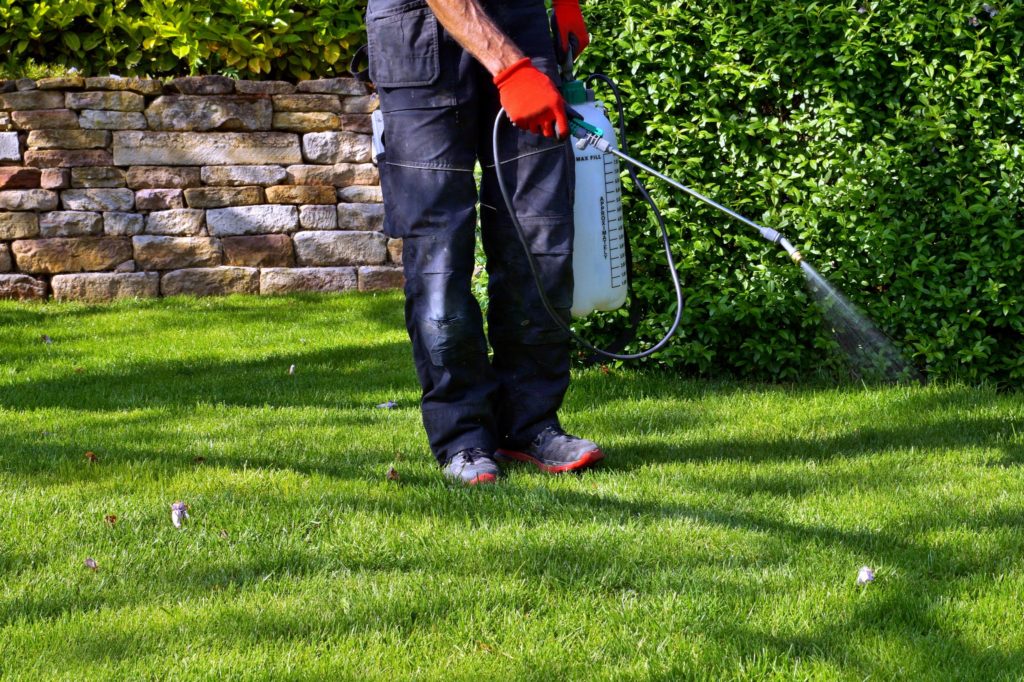
A pest control worker spraying a lawn.

If you’ve tried managing your outdoor pests, but they keep coming back, give us a call at Environmental Pest Management. We are experts at keeping your Minnesota yard free of nuisance bugs. 

Reach out today for your free quote to be on your way to having a pest-free environment!

Pests That Affect Your Pets: Fleas vs. Ticks

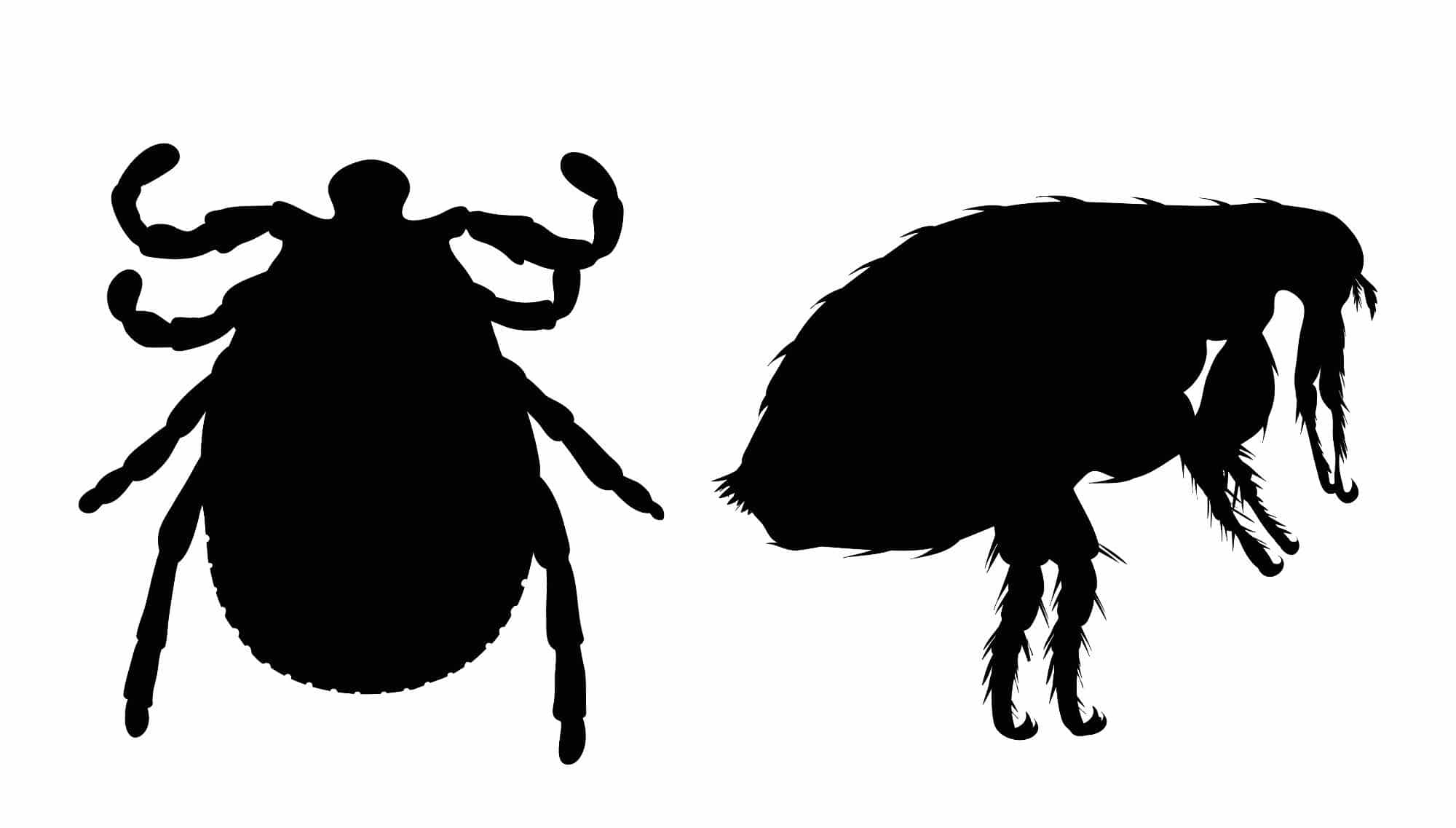
Outlines of a flea vs. tick

Have you ever woken up in the middle of the night to your animal incessantly scratching? Your dog could be scratching because of a common pet pest. The scratching can be from a pest, but is it a flea vs. a tick bothering your pet?

Fleas and ticks are tiny parasitic bugs that can cause people and animals irritation and transmit diseases. Though both fleas and ticks are tiny parasites, irritate, and transmit disease, they have more differences than you would think.  

If your home is teeming with tiny parasites, contact Environmental Pest Management for a successful pest control service.

Pests that Affect Your Pets: Fleas vs. Ticks

Three small dogs itching for fleas vs. ticks.

The most noticeable difference between fleas and ticks is that fleas like to invade. Fleas will infest your pets and invade the inside of your home. 

In contrast, ticks prefer to stay outdoors and will latch on to your pets if a suitable host wanders by. Both of these bugs have differences in characteristics, habitats, behaviors, bites, and how they spread disease.

Let’s dive into the differences!

Characteristics

Fleas

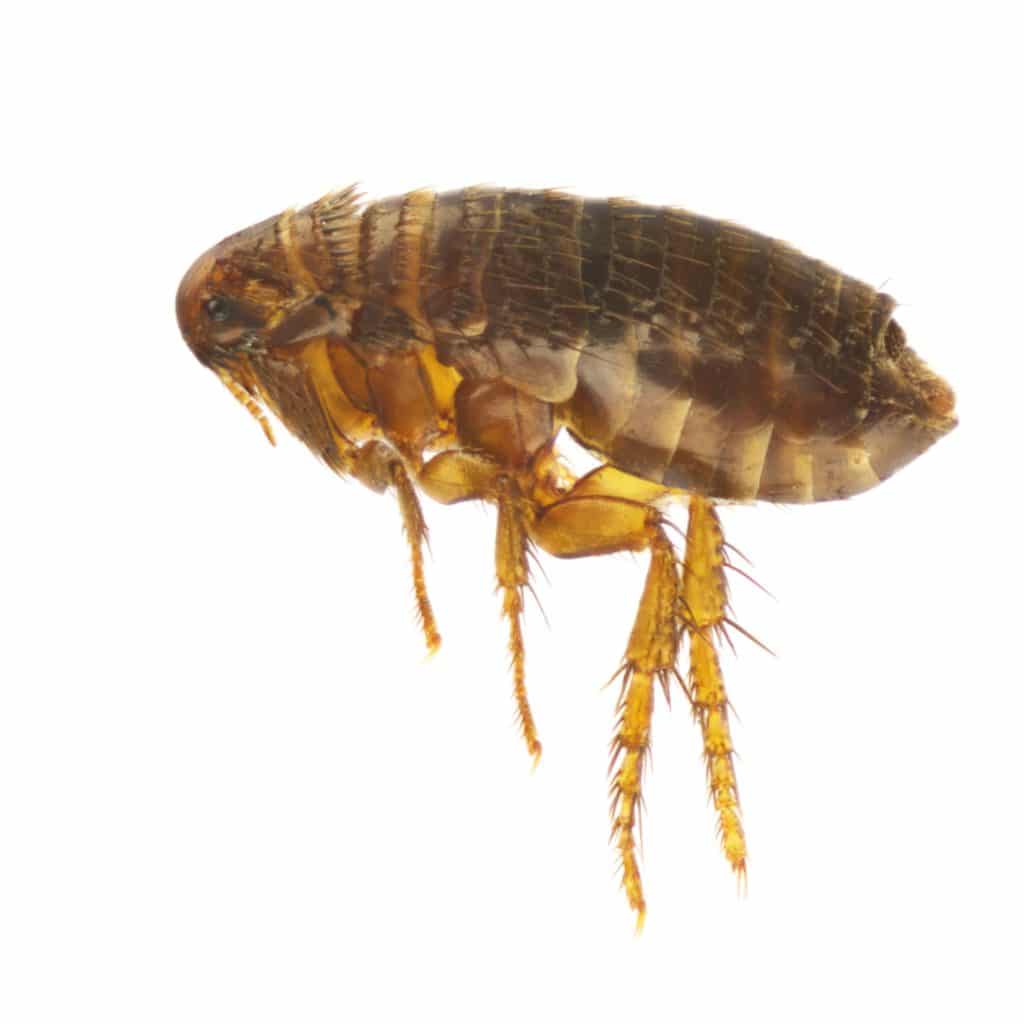
A large closeup shot of a flea to show the difference between flea vs. tick

Fleas are a dark reddish-brown color. They are easy to mistake as dirt in your pet’s coat.

They have tiny backward-pointing hairs that extend from their exoskeleton. They use their extended mouthparts to feed on their host’s blood. 

Although they may appear to be flying, this is not the case. They do not have wings.

Fleas use their strong hind legs to leap up to 13 inches or 200 times their body length.

Ticks

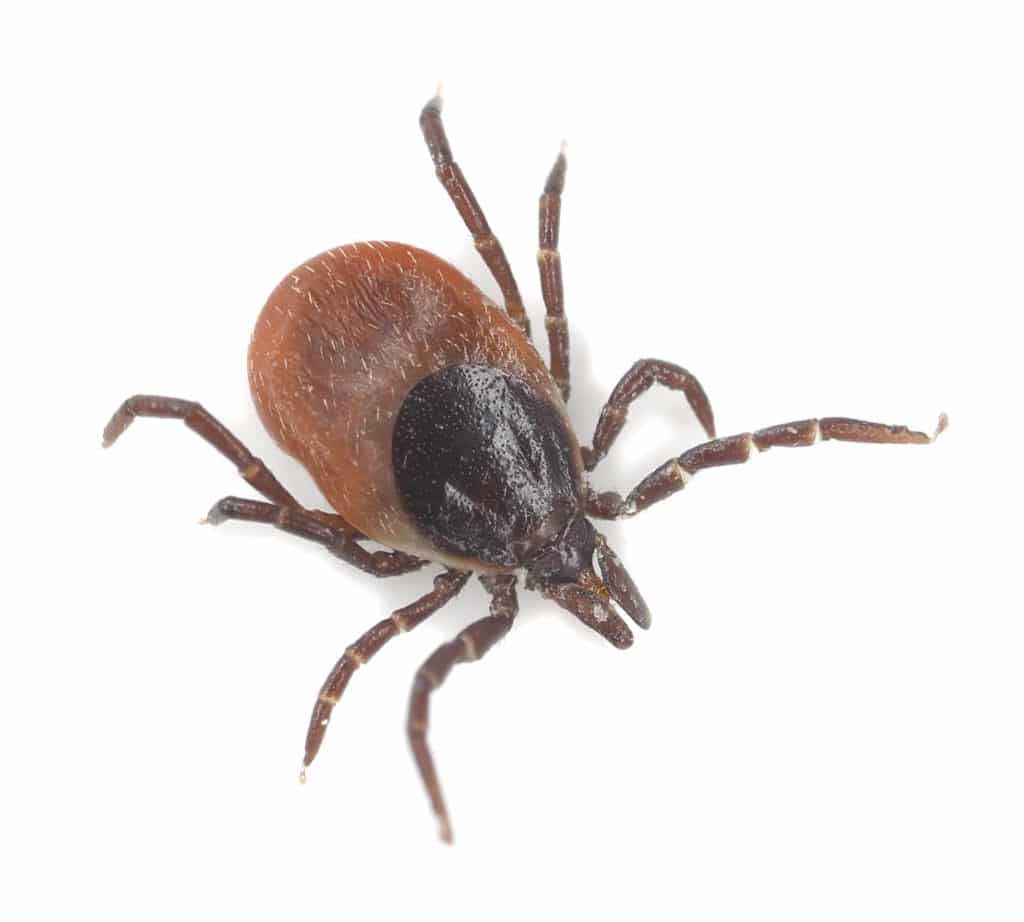
An enlarged photo of a tick on a white background

Depending on the species, ticks are usually larger than fleas. There are more than 850 species of ticks, and 90 of them can be found within the United States. 

Ticks can be a black, brown, reddish-brown, grayish-white, or yellowish color. They are more of a teardrop or oval-shaped bug with a large abdomen used for feeding. 

Adult ticks will have eight legs, while tick larvae will only have six. Ticks have three life stages: Larval, nymph, and adult- all of which are capable of biting. They are a close cousin to spiders. 

Habitats

A shaded area with tall grass is the perfect habitat for fleas and ticks

Fleas prefer to live in shaded areas with lots of tall grass. Since ticks cannot fly or jump, they prefer to live closer to their hosts. 

They will live in wooded or grassy areas close to homes or near rat burrows or bird nests.

What weather can they tolerate? Most of the time, we think of “flea and tick season” as the warmer months. 

While it’s true for fleas, they thrive in warmer environments. On the other hand, while yes, ticks thrive in warmer weather, they can survive the colder months. Some even hide underneath the snow.    

Behaviors

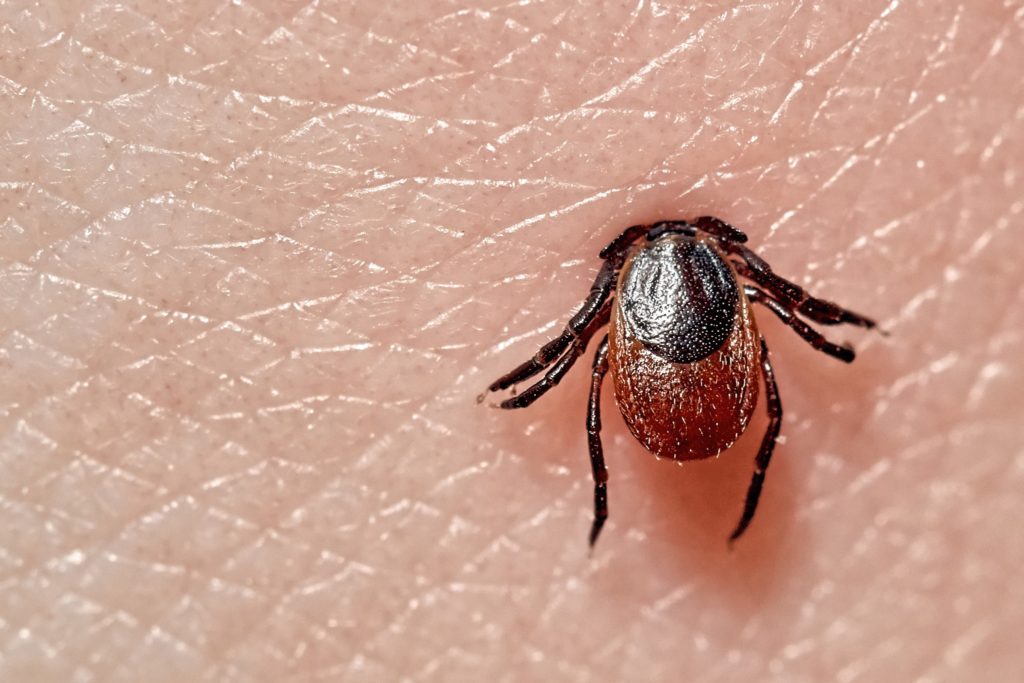
A tick biting human skin.

Fleas usually avoid biting humans unless there are no other suitable hosts nearby. Fleas will find one host, usually a dog or cat, and live there until they die.

On the other hand, ticks are not as particular. 

Ticks will attach themselves to multiple hosts and feast for a few days until they are engorged with blood, then move on to the next. Ticks will feed on pets, deer, opossums, rabbits, rodents, and even humans. 

 Fleas use their powerful hind legs to jump to and from their hosts.

Since ticks can’t fly or jump, many species of ticks wait for their hosts in a position called “questing.” When questing, the tick will hold onto a leaf or grass with its hind legs with its front legs outstretched.

Then once a host wanders by that area, they will quickly climb aboard and search for a place to latch.

Fleas vs. Ticks: The Bites

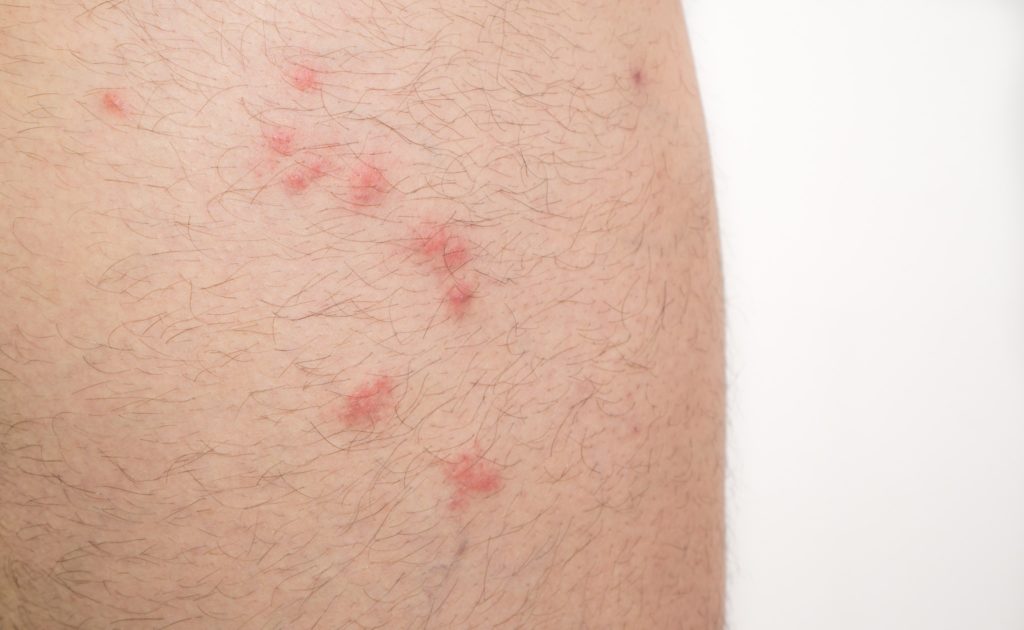
Flea bites on a leg.

When a flea bites its host, they inject their saliva into their skin. This can cause your pet to experience skin irritation, rash, and itchiness. 

When a tick bites, it is usually painless, and the negative symptoms will not appear until the tick has finished feeding. The symptoms of a tick bite can include pain at the site, swelling, rash, headache, sore muscles, or fever.

How They Spread Disease

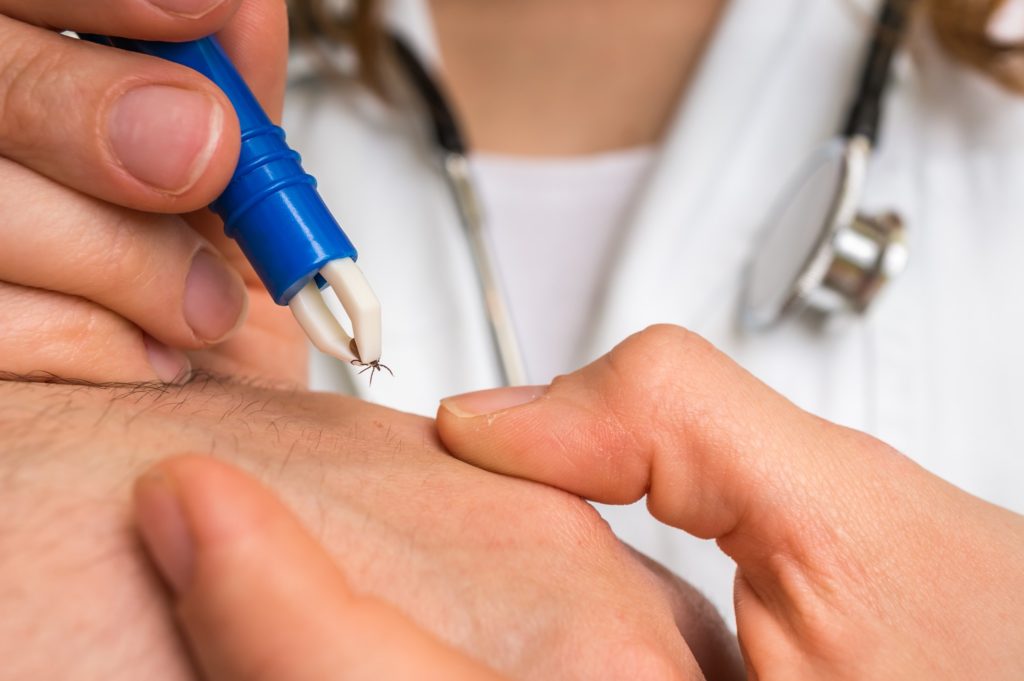
A doctor removing a tick from a person's hand.

Fleas

Fleas can spread diseases such as typhus and plague. Fleas become infected when they bite an infected animal such as a rat, opossum, or stray cat. 

When the fleas bite their host, it causes a break in the skin. When the fleas feed, they poop. 

The poop is called “flea dirt.” The flea dirt from the infected flea can get rubbed inside the wounds. 

It is also possible for people to inhale in the infected flea dirt or rub it into their eyes.

Ticks

Ticks can transmit diseases such as Lyme disease, Rocky Mountain Spotted Fever, and tularemia through feeding. 

Depending on the species of tick and which life stage it’s in, it can take anywhere from 10 minutes to 2 hours to find a feeding spot on its host’s skin. Once the tick has found its feeding spot, it cuts into the surface of the skin and inserts its feeding tube. 

Many species of ticks have a barbed feeding tube that helps keep them in place while feeding. They can also secrete a sticky substance to help keep themselves attached to their meal.

Before ticks bite, they can secrete a small amount of saliva that contains anesthetic qualities. The host will be unaware of the tick’s attachment.

The tick can go unnoticed in a hard-to-reach or out-of-the-way spot. Then the tick will feast on the blood slowly for a couple of days. 

If the host has any bloodborne pathogens, the tick will ingest them with the blood. Tiny amounts of tick saliva can enter the host during the feeding process. 

The infected saliva from the tick can transmit pathogens to the host during the feast. Once finished feeding, the tick drops off to prepare for its next stage of life. 

Any acquired pathogens or diseases can be transmitted at the next feeding. 

Protect Your Pets    

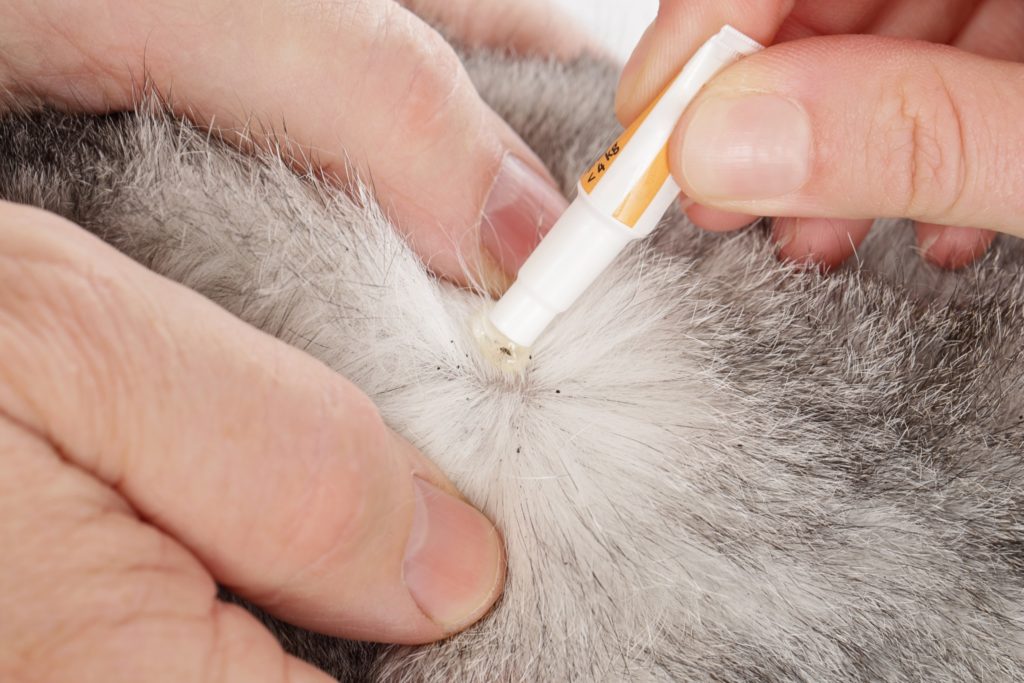
A pet owner applying flea medicine to a dog that has flea dirt in its fur.     

Preparing yourself for fleas and ticks is the best way to protect you, your home, and your pets from fleas and ticks. When it comes to fleas and ticks, it is best to use prevention methods. 

Keep your yard mowed and landscaped to help keep them from living in your backyard. Do not leave out any pet food that may attract unwanted animals, such as opossums or raccoons.

Talk to your veterinarian about a flea and tick treatment for your pet. And keep your pet’s bedding or carpets and rug clean to prevent flea infestations. 

If you think you have a tick infestation or live near a wooded area where ticks love to hang out, call Environmental Pest Management for help. We will prevent pet pests from infiltrating your home.

Protect Your Home and Yard From These Stinging Insects

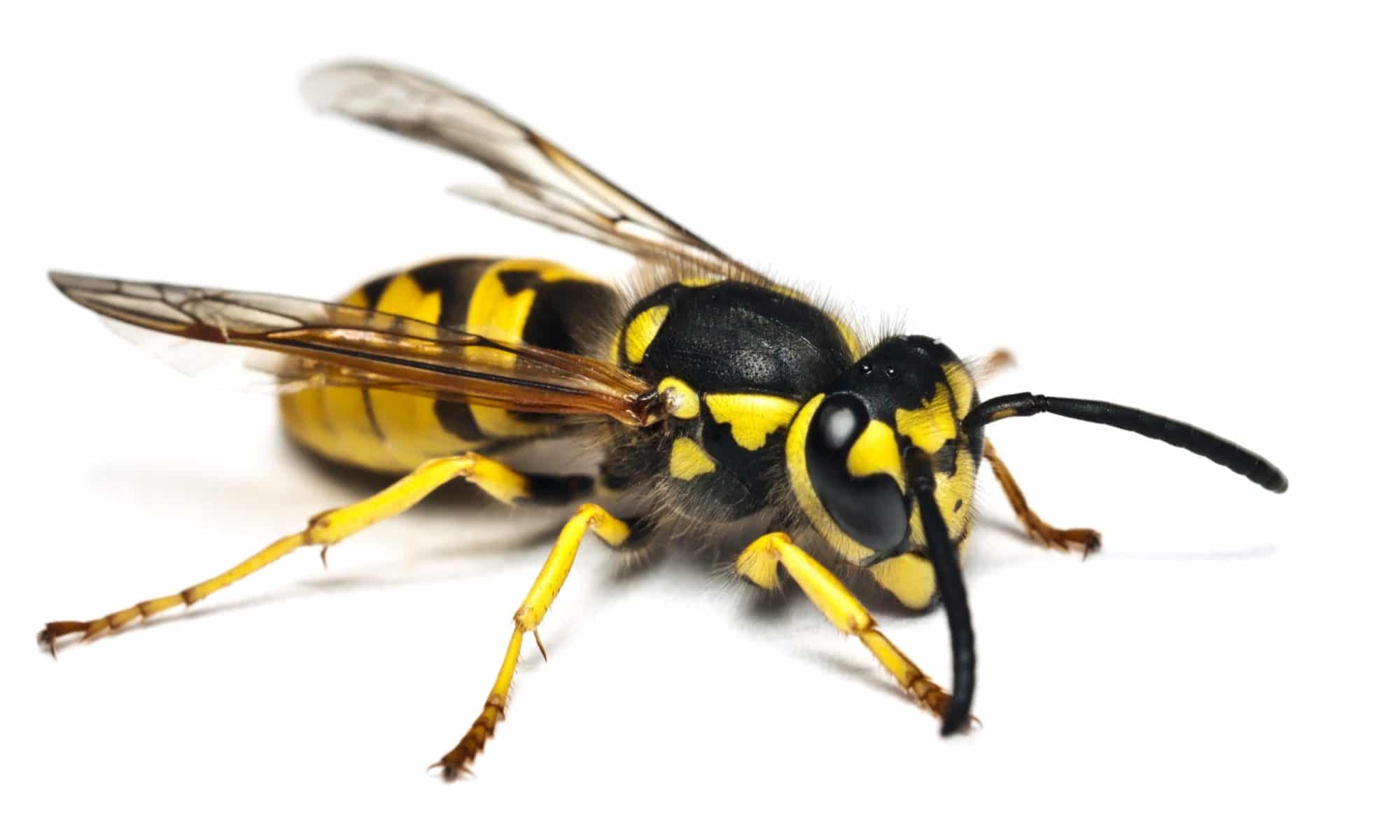
A portrait of a yellow jacket isolated on a white background

Summertime is a season of sun, vacation, backyard barbecues. Inevitably, it’s also the season of stinging insects. 

How can you best prevent those pesky wasps, hornets, and bees from interrupting your party? 

Protect your yard and home from unwanted stinging insects, call the experts and connect with Environmental Pest Management for a free quote today.

Wasps, hornets, and bees: what’s the difference?

Wasps and hornets can be quite an annoyance at your garden party. Being more aggressive, they are harder to deal with than the friendly bee. 

Wasps and hornets

Appearance 

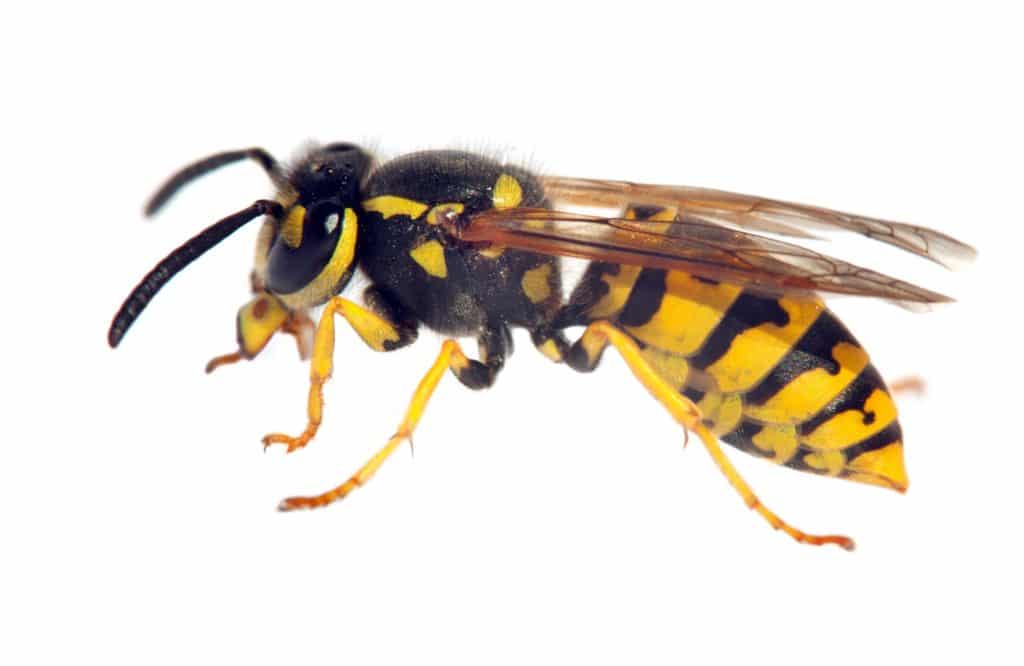
A portrait of a wasp, a common stinging insect.

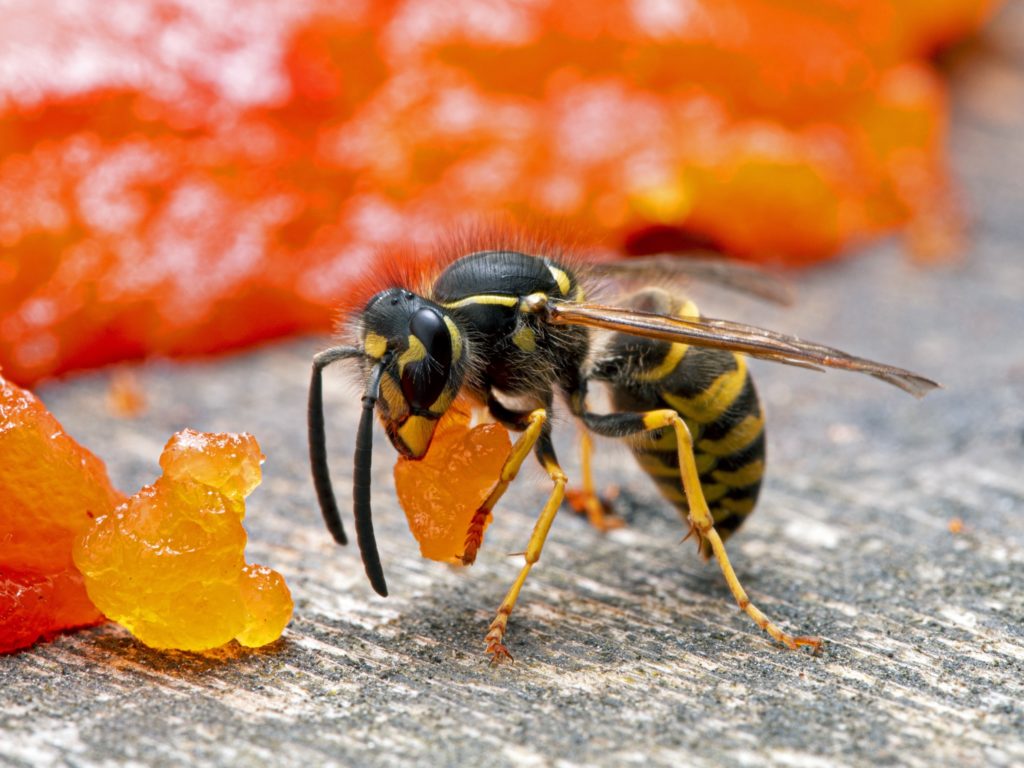
Wasps appear armor-plated with a sleek, hairless body. The most common wasps in Minnesota are yellow jackets and paper wasps.

Yellowjacket wasps are yellow and black. Their thorax ends with a pointy tip. 

Paper wasps have a segmented body with a thin waist. They have dark coloring with smokey black wings.

Hornets are a wasp, but their bodies are a little rounder than yellow jackets or paper wasps. 

Social hives versus solo-resident nests 

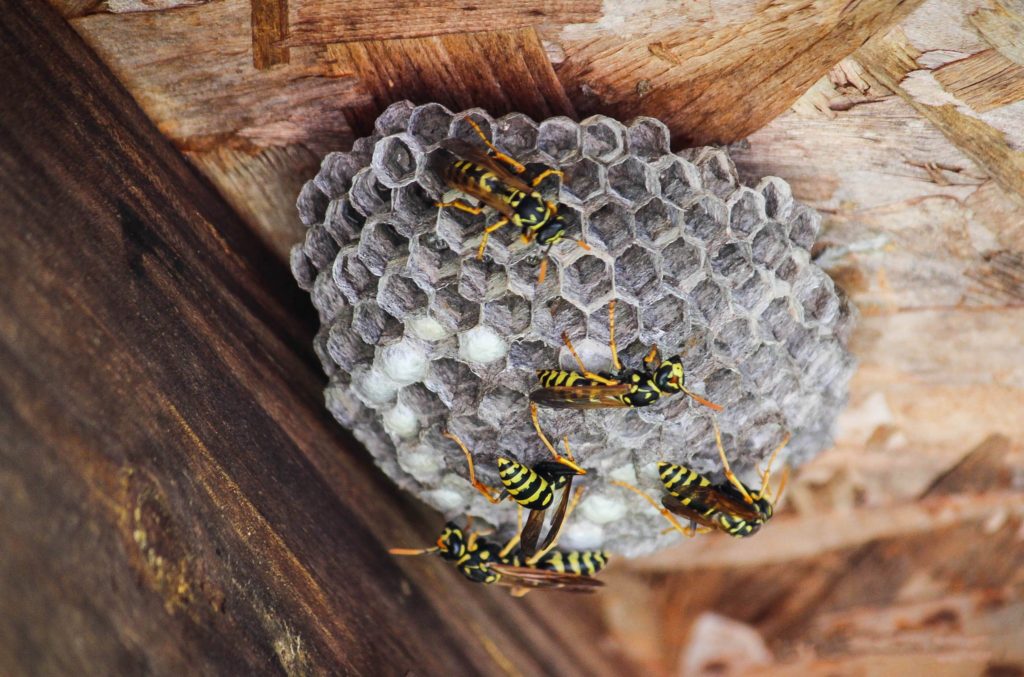
Wasps building a nest on a building.

When wasps and hornets live communally, you can find their nests in trees, under the eaves of a house, or porches. These stinging insects can also live in individual nests usually found in sand or soil locations.

They raise their young in communal hives. Like honey bees, wasps and hornets have a single queen.

Wasps and hornets generally are not interested in humans unless they are defending their nests. The stinging insects are quite territorial, and if you come within a yard of their nest or hive, these insects may attack you. 

Carnivorous hunters

A yellowjacket eating a piece of salmon.

Wasps are predators and use their stingers offensively and defensively. They sting to stun or kill their prey, and they sting to ward off threats. 

Wasps can sting their target multiple times.

Wasps and hornets are essential in helping control the population of small insects. They also feed on sweet nectars from flowers and fruit trees. 

Honey bees or bumblebees

While these flying insects can also sting, they are generally much less aggressive. 

Appearance 

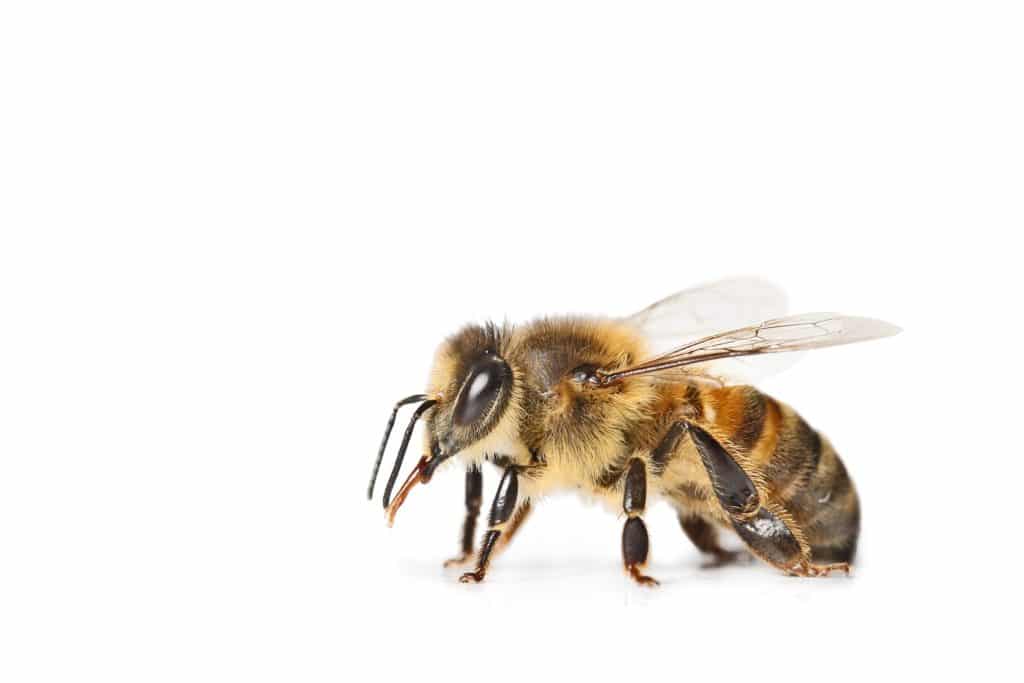
A portrait of a honey bee, isolated on a white background. Tehy are a common stinging insect.

Honey bees are yellow and black flying insects that grow fuzz or fur on their bodies. The presence of hairs on the bee’s body helps you differentiate them from yellow jackets. 

Bumblebees are rounder and plumper than honey bees. They also have black and yellow stripes and fuzz all over their bodies. 

Communal hives

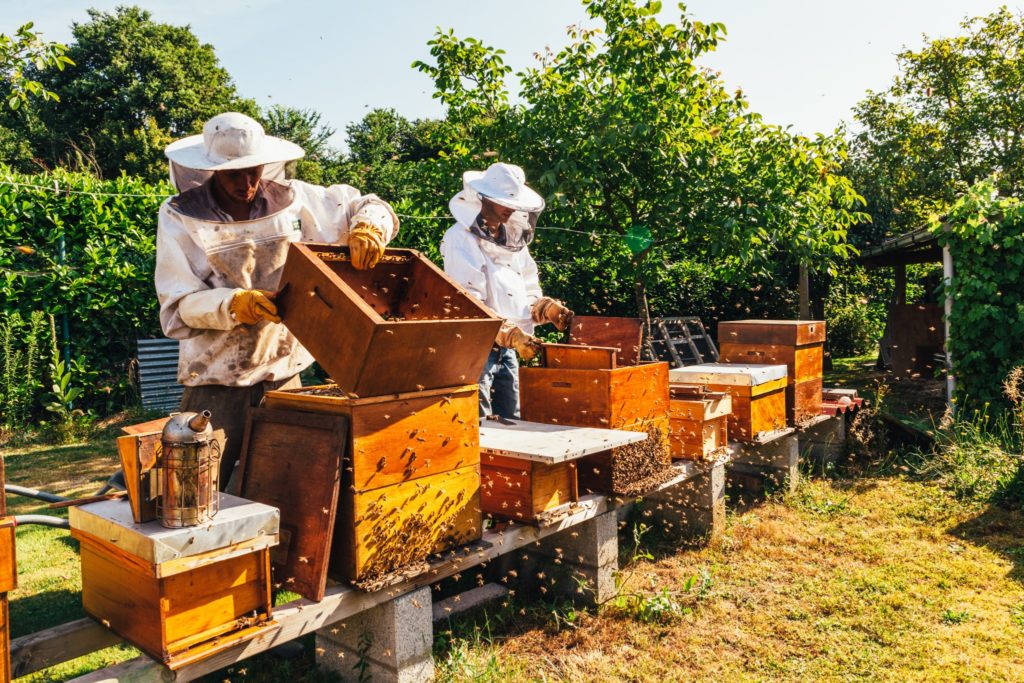
Bee keepers checking on their honey bee hives.

Honey bees live in hives with a single queen, and their nests are often found in trees. Bumblebees live in holes in the ground. 

Helpful and hairy

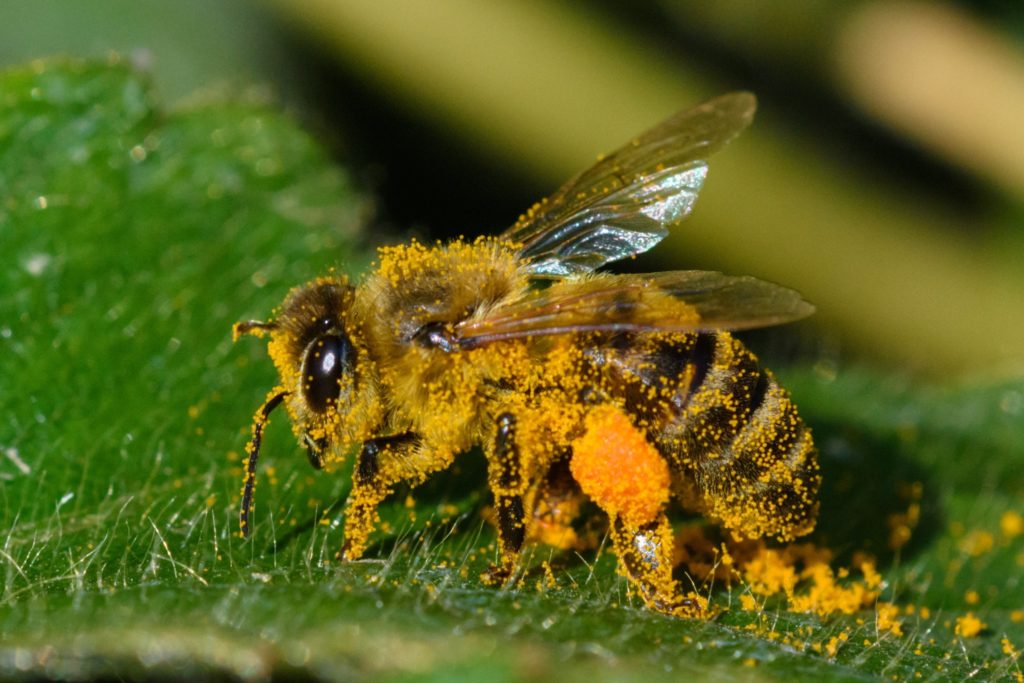
A bee covered in plant pollen

Bees are helpful pollinators, and much of our fruit, grain, and vegetable production depends on them. Pollen attaches to their hairy bodies and is deposited to other flowers as they fly from bloom to bloom. 

While generally less aggressive, honey bees can only sting once, then die. If possible, do not kill honey or bumblebees, as they are important to our ecosystem and can be considered a beneficial insect

What happens when you get stung?

No question, stinging insects no fun. What is a stinger’s anatomy, and what is the biological response in your body after you get stung?

History of the stinger

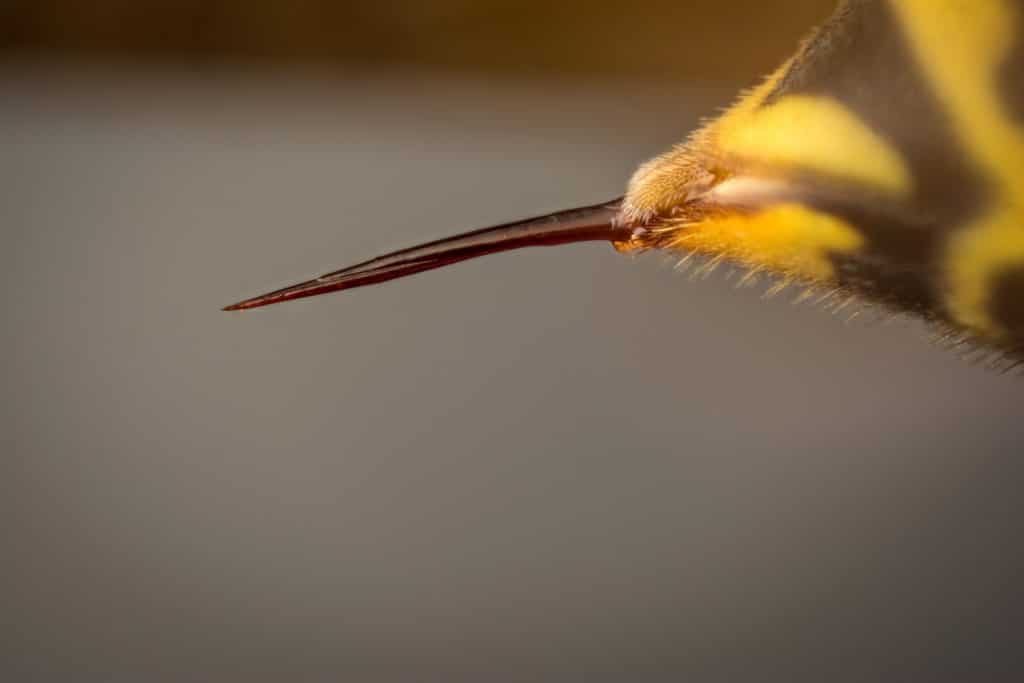
A closeup of a wasp or yellow jacket stinger

In prehistoric times, the stinger was not for attacking but instead was how female wasps laid their eggs. This anatomical feature is why only female wasps and hornets have stingers. 

Anatomy of the stinger

Wasp venom is produced and stored in a sac near the stinger. The poison seeps out through valves, which leads to the sheath which holds the stinger.

The smooth stinger is coated in venom. The wasp is always ready to respond to a threat or attack. 

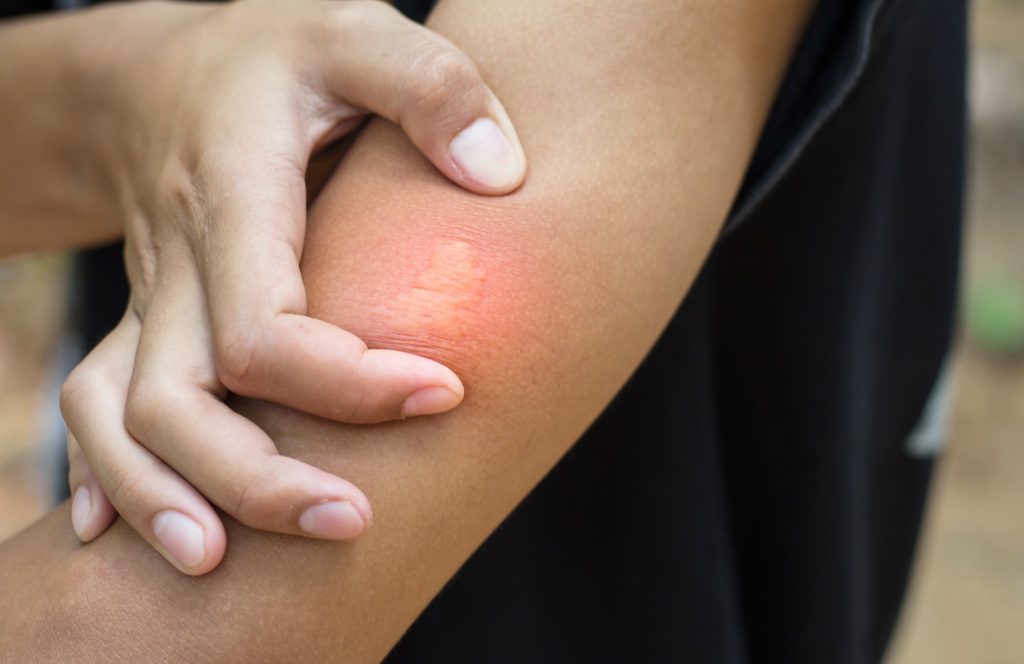
When you are stung by an insect, your body has a few biological reactions—the most common being: pain, redness at the site, and swelling. 

Why does it hurt?

A close up of a bee sting on someone's arm.

Peptides and enzymes in venom will break down cellular membranes in your skin. When neuron cells are affected, the injured cells send a signal to the brain. 

That message translates into the sensation of pain. 

Another element in stinger venom is a chemical that acts like norepinephrine. This chemical slows blood flow, which causes the pain to continue for several minutes.  

Hyaluronidase and MCDP (Mast Cell Degranulating Peptide) are also present in venom. They potentiate the enzymes that break down cell walls in your skin, which is why wasp and bee sting often lead to swelling and redness in the area. 

How to prevent wasp and bee stings

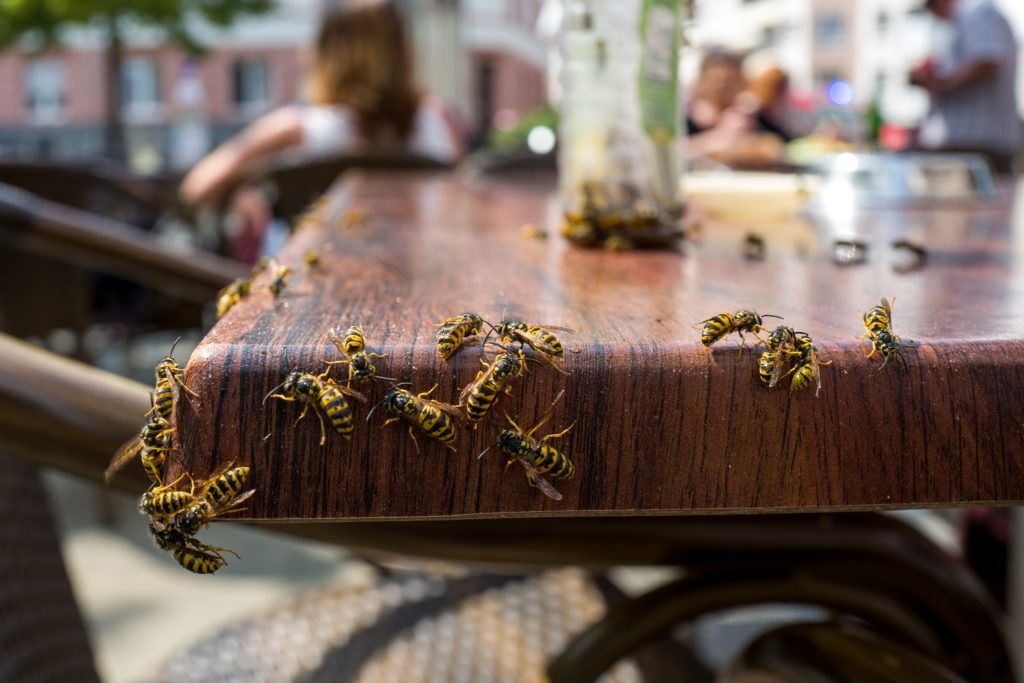
A group of yellow jackets on a table.

While it can be challenging to avoid stinging insects entirely in the summer, here are some great tips to encourage them to stay away from you and your loved ones.

  • Minimize wearing strong perfumes or scents.
  • Food smells especially attract wasps. When eating outside, clean up food scraps and leftovers quickly.
  • Avoid wearing dark colors and bright floral patterns as they are all attracted to these colors.  
  • Keep outdoor waste cans away from where people may be congregating as wasps are attracted to garbage. 
  • Wear closed-toe shoes if possible when walking on the grass. 

Most importantly, nests found near your home or in areas where people gather must be safely removed. It can be very dangerous to your health if the wasps or bees become angry and aggressive, so don’t try to remove them yourself.

Especially if you have an allergy to bee venom, do not attempt to remove a nest yourself. 

At Environmental Pest Management, we have Master Licensed Technicians who can help. Our team specializes in integrated pest management, which allows us to address a pest control or insect problem by non-chemical means. 

Call us if you would like to set up a free inspection to help you have a sting-free summer. We are masters at creating harmony between humans and the natural world around them.

Diapause and Pest Control

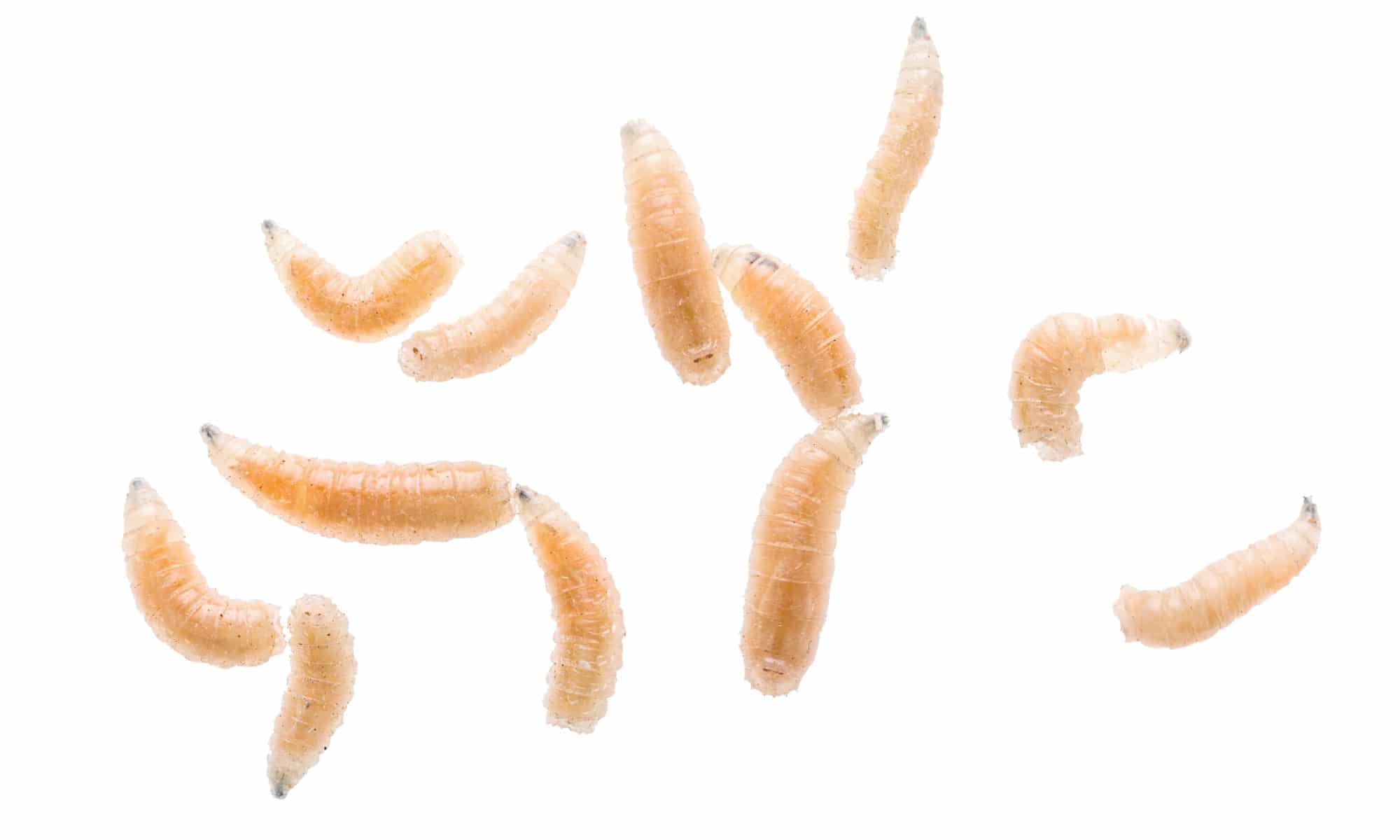
Maggot fly larva

Dealing with an infestation of insects is a nightmare for many homeowners. It can be a real challenge to clear the pests completely.

It is a good idea to invest in the services of a professional pest control company. Experts who have a strong background in tackling several pest control problems: including diapause.

Insect diapause is a natural process in the lifecycle of an insect. Several external factors can cause it—and understanding these can be key in preventing an infestation.

Here at Environmental Pest Management, we know how to tackle any infestation—including a sound understanding of diapause. Get in touch with the team and see how we can help!

What Is Insect Diapause?

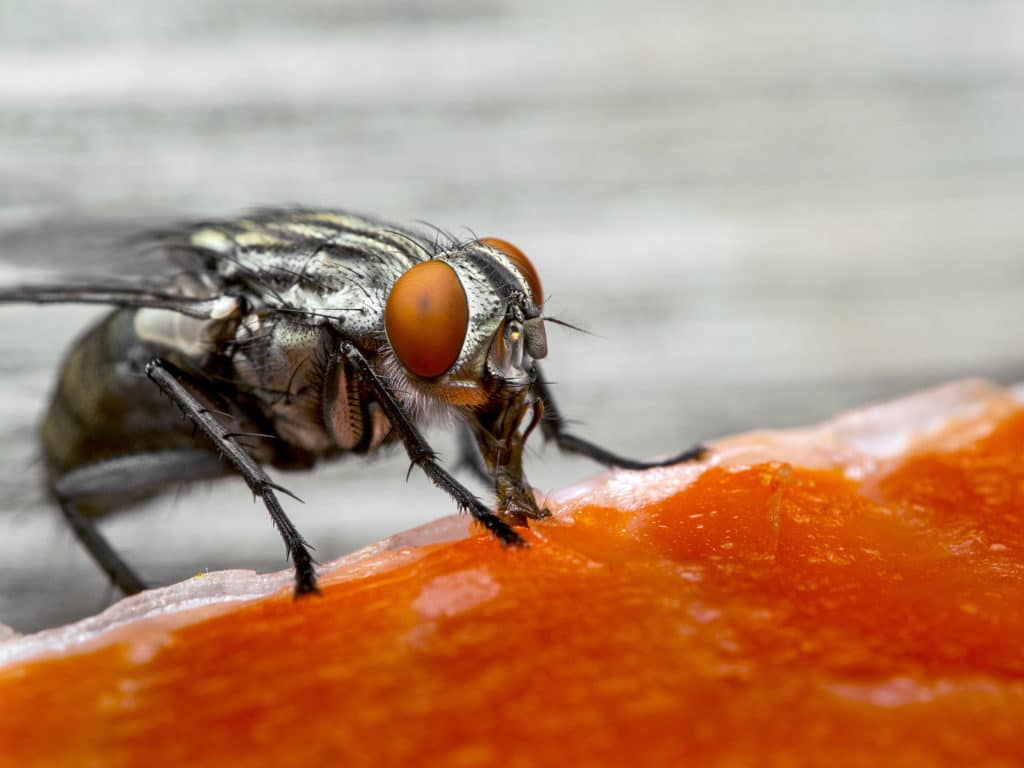
A flesh fly

In the simplest terms, diapause is a period of arrested development or reproduction in insects. The state is usually triggered or terminated by environmental conditions. 

Temperature, availability of food, changes in daylight, or temperature fluctuations are all regulators of diapause. Combinations of these can also set off insect diapause in a wide number of species.

There is an important distinction to be made here; the diapause response is ultimately genetically programmed. The aforementioned environmental factors do not cause it, but they can determine when it starts and ends. 

Quiescence, on the other hand, is a period of slowed development. Unlike diapause, this is triggered by environmental conditions, ending when optimum conditions return.

What Are The Main Environmental Factors?

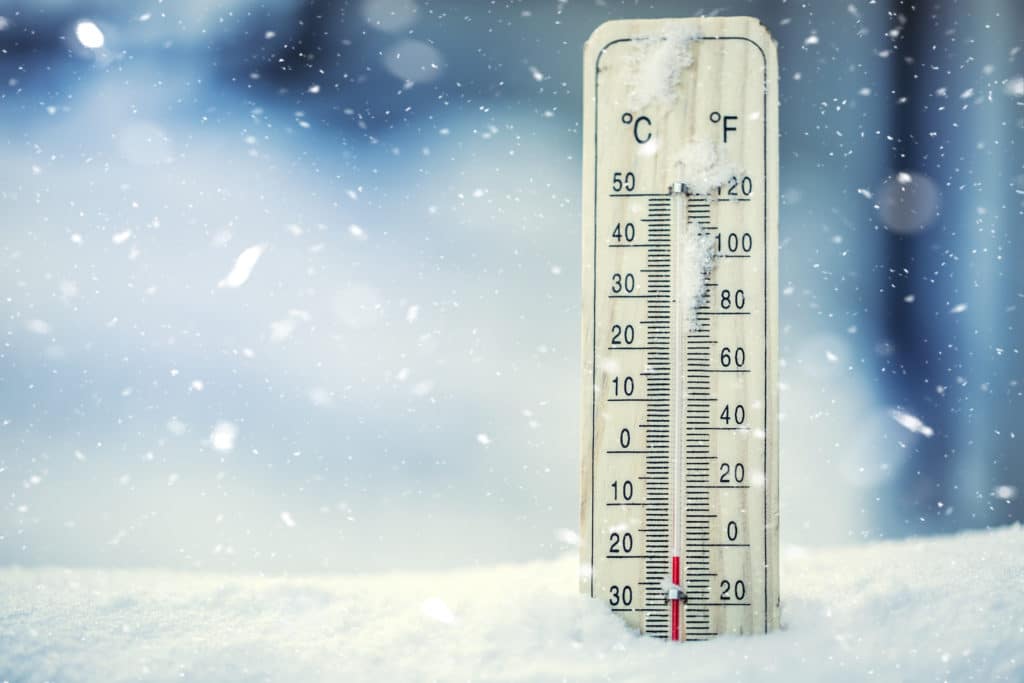
A thermometer in the snow. Colld temperatures cna trigger insect diapause

As we mentioned, a range of environmental factors can play their part in insect diapause. Some of these include:

  • Temperature

Sudden changes in temperature, such as extremely cold or hot periods, can trigger the beginning or end of diapause. Additionally, alternating cycles of temperatures can also influence the process. 

The exact trigger and temperature will depend primarily on the type of insect; each has its unique requirements and cues.

  • Photoperiod

The term ‘photoperiod’ refers to alternating phases of sunlight and darkness throughout the day. Suppose there is an alteration in the phase due to external factors such as seasonal changes. In that case, the process can be triggered with shorter days and less light.

In many ways, the photoperiod is the most important aspect of insect diapause. It is also easy for pest control professionals to manipulate, as they can artificially create light cycles.

  • Food

As some insect species come to the end of their growing season, their food sources’ quality also deteriorates. Once again, this process can trigger diapause in certain species.

What Are The Types of Insect Diapause?

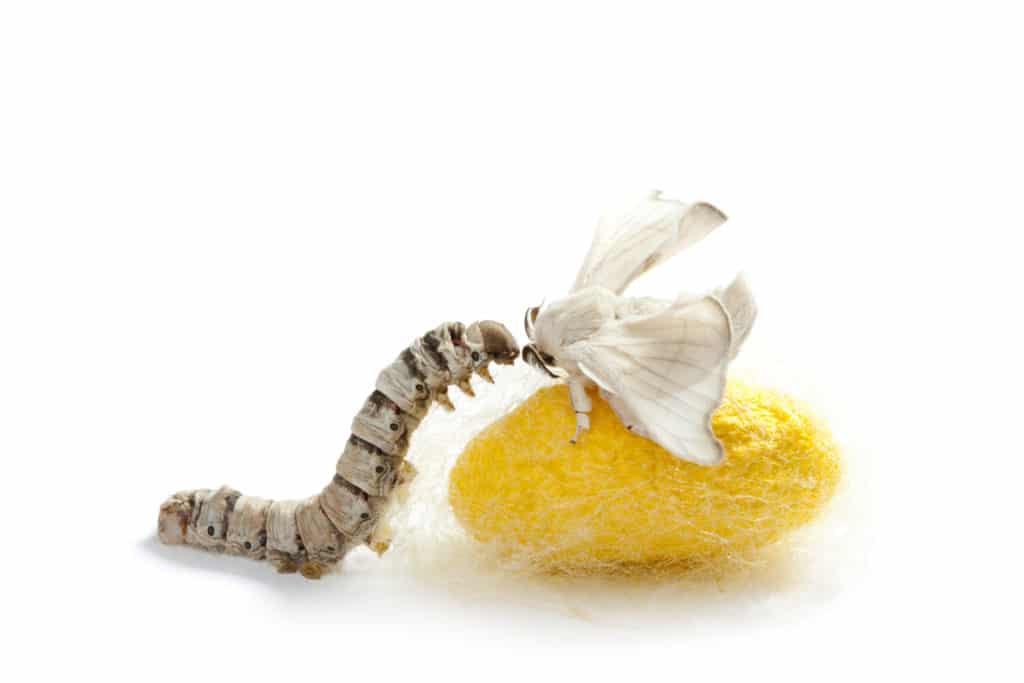
butterfly of silkworm with cocoon silk worm showing the three stages of its life

It is important to note that insect diapause comes in two main types: obligatory and facultative. The difference is important as it dictates when and why insects enter the phases of diapause.

Insects with obligatory diapause begin the period of arrested development at a point in their life cycle, which is predetermined. The process occurs despite any external environmental conditions. 

Obligatory diapause generally occurs mainly with univoltine insects—in other words, those who have one generation each year.

On the other hand, insects with facultative diapause will undergo diapause only if it is essential for the creature’s survival. It is the most common type of diapause, found in the majority of insects. 

This type of diapause is more commonly known as overwintering, and it is similar to hibernation in some mammals.

Facultative diapause is associated with bivoltine (insects producing two generations a year) or multivoltine insects (over two generations per year).

It is also worth mentioning reproductive diapause; this is a suspension of reproductive functions in an adult insect. It is commonly found in species such as the monarch butterfly, which goes into reproductive diapause to prepare for the long migration.

Why Can Diapause Be A Problem For Pest Control?

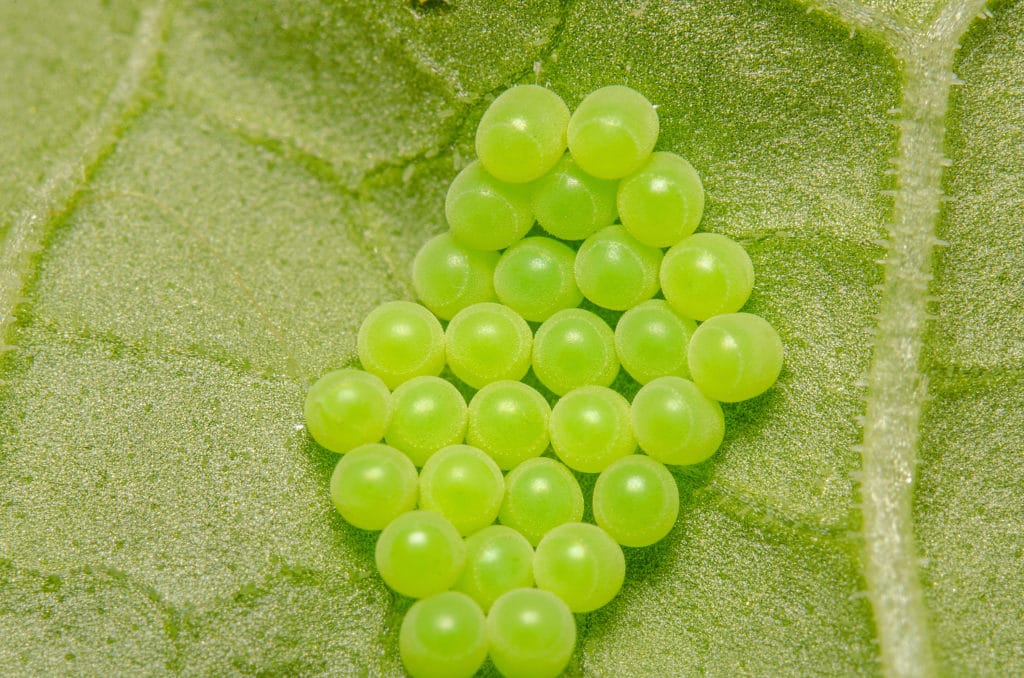
Green ShieldBug eggs on a leaf

While diapause is a natural phenomenon, it causes serious issues for the management of pests and unwanted insects. 

When diapausing, insects can endure adverse environments such as extreme temperature or moisture. They can also handle food shortages more readily and be able to withstand toxic chemicals and ionizing radiation.

Perhaps most crucial, diapausing insects can delay reproduction. It is integral if you aim to reduce population growth and is a key factor in your pest management regime’s timing.

All of these factors are critical elements of pest control. If they no longer work effectively on the insects, it is hard, if not impossible, to eliminate your pest problem. 

As the insects build up a tolerance to the factors we discussed – temperature, chemicals, etc. —they can resist a pest management program. They may also be able to synchronize their reproduction program to their maximum advantage, making full use of available resources.

What Can Be Done?

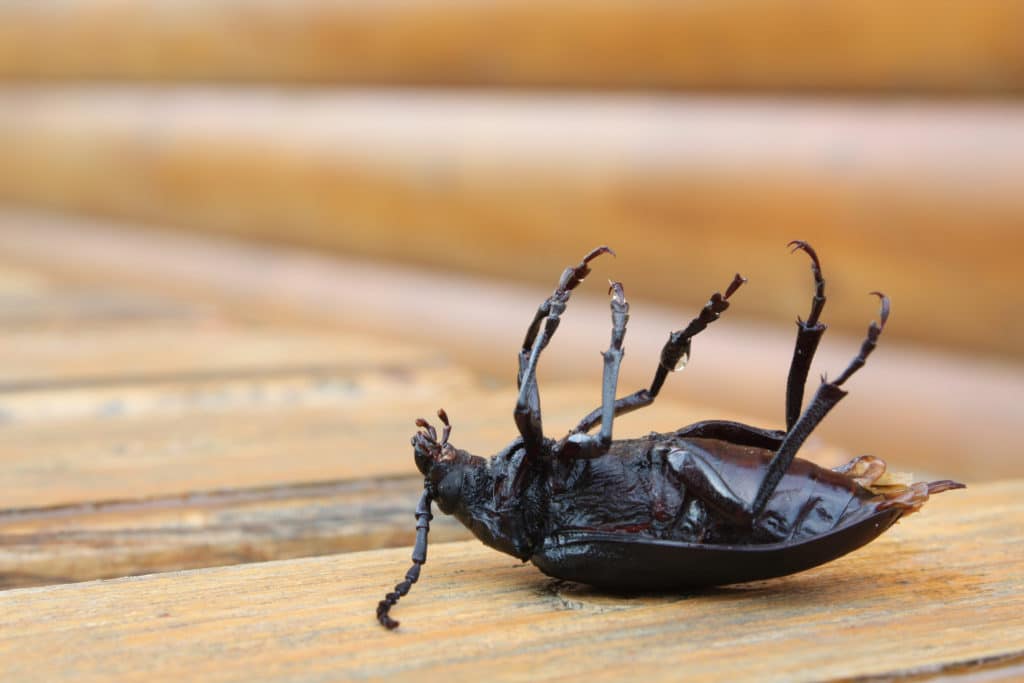
A dead bug on its back

It seems that the only way to tackle insect diapause for pest control is to learn to use it to our advantage. The process involves manipulating external factors to prevent the onset of diapause, giving pest control a chance to work by pinpointing the perfect time to use pesticides.

Controlling external factors is hardly a new concept; a recent study experimented with using artificial light to extend the day’s length in preselected plots. 

The test saw a 76% and 70% decrease in the onset of diapause in two insect species. Non-diapausing insects were then unable to survive the harsh winter, allowing control of their numbers.

In some cases, one can carefully manipulate reproduction; this allows pest control experts several options. They may calculate the predicted reproduction time and use it as a window to maximize the treatment’s effectiveness. 

Alternatively, experts may act to eliminate the insect before reproduction can occur—this can bring numbers down to more manageable levels.

Also, no stored-product insect species are currently known to diapause in the egg stage, and only one in the pupal stage. This information can also be useful to pest control experts, giving them a window to act.

There are also potential benefits from waking insects early from diapause or preventing it entirely. If these things can be done, the insects will likely die naturally from winter’s harshness and won’t need to be treated with pesticides.

How Can We Help?

A pest control techinician working with a customer in a kitchen

Understanding this part of the insect life cycle can be a useful tool when it comes to pest control. 

At Environmental Pest Management, our experienced, qualified team of professionals can help you tackle any infestation or pest control problem. Our experts have the skills and knowledge to quickly and easily handle infestations. They can use a range of methods to achieve this.

If you are looking to reclaim your property, take back control, and eliminate unwanted guests, we can help. Protect your home from unwanted pests; reach out to Environmental Pest Management for a free quote today.

What To Expect with a Pest Inspection

a cartoon about Pest Inspection

Bugs got you down? Are you in need of a pest inspection? Maybe you are buying or selling a home and need to make sure it is free of infestation. Perhaps you have seen those tell-tale signs of unwanted guests.

Whatever the reason, Environmental Pest Management is there to address your concerns. We have been in the pest control industry since 1986. You can trust us to solve the problem safely, effectively, and for the long-term. 

We will walk you through step by step on what to expect with a pest inspection, so you are free of the unexpected. 

What is a Pre-Purchased Versus Routine Pest Inspection? 

person looking an ant with a magnifying glass

There are two types of pest inspections, pre-purchased and routine. Pre-purchased are usually done with the sale or purchase of a new home. The state sometimes requires them; however, it is dependent upon where you live. 

With a pre-purchased inspection, professionals usually inspect before an offer is made on a home. Repairs from pests can be expensive, so a check can identify any issues and give a bargaining tool if necessary. It also eliminates any surprises before moving as no one wants to find out about a termite infestation after it’s too late. 

Routine inspections are completed at regular intervals, often annually. Having a routine inspection identifies issues before they cause expensive damage. Routine inspections can also identify construction faults, drainage, and environmental conditions that put you at risk for pests. 

What Does a Technician Do During an Inspection? 

A woman shaking hands with a pest inspector

A master technician will have the knowledge and experience to do a proper pest inspection. The inspection will include a strategic evaluation of the home, inside and out, to identify areas of concern. Technicians will look for evidence of an infestation, wood decay, fungi, and mold. 

The technician is going to look for evidence of past pest activity and risks for future infestations. Special tools such as moisture meters, motion detectors, and thermal imaging are used to identify areas of concern. 

Using the tools and their eye, technicians will evaluate the following: 

  • Rooms of the home
  • Subfloors
  • Roof Voids
  • Outbuildings such as sheds
  • Fences
  • Stumps
  • Retaining Walls

The pest inspection will likely take two hours or more depending on the home and land size. Detailed notes and photographs finalize a report before any steps of action. 

What Do I Need to Know About Pest Inspection Tools? 

An environmental home inspector is viewed close-up at work, using an electronic moisture meter to detect signs of damp and rot in wooden structural elements.

The technician will use high-tech equipment to assess the pest activity within and around the home. 

Experts include the following tools in a pest inspection: 

  • Thermal imaging cameras to locate nests and activity
  • Moisture meters to assess moisture levels in the walls as pests love moisture and humidity
  • Termatrac microwave radar detection units that can track termites in the wall and find nests
  • Heinemann boroscopes which help find live ants and any damage they may have caused

However, the best tool technicians have is their own eyes. Experienced technicians know what to look for and can often find subtle signs of pest activity. They may identify:

  • Dirt or mud in corners of rooms or along baseboards
  • Electrical issues and faulty plugs caused by pest activity
  • Damage to wood or plaster

They may also ask for help for damage or concern areas you have identified. It is your home, and you know it best. 

Should I Be Present for the Pest Inspection? 

A woman speaking with her pest inspector

It is best if you are present for the pest inspection. Technicians appreciate your presence as you can point out concerns, and they can explain problems to you on the spot.

If you cannot be present during the inspection, it is essential to make sure the technician provides you with a detailed report identifying current and potential concerns.

What Should I Look For in a Pest Report? 

Exterminator in work wear spraying pesticide with sprayer. Selective focus.

Pest reports should identify concerns and list recommendations to fix problems. Reports may identify areas that need further investigation, such as spots they could not access. 

Technicians include pictures in the report. Photographs help to give evidence to the issue. You’ll have a better understanding of the treatment plan.  

The report should identify concerns such as building faults, drainage problems, or environmental issues that make you vulnerable to pests. The information will also include recommended treatment and cost. 

The report should be available to you promptly, usually within 24 hours. Technicians will be accessible to address any questions or concerns. 

You must understand the report; ask questions if you do not. It should give you a better understanding of the home, property, and pest infestation damage. 

How Are Pests Exterminated? 

Exterminator in work wear spraying pesticide with sprayer.

Usually, the home will not be tented. Many of the products used now for extermination are effective without tenting. The chemicals used are less harmful than in the past. 

Why was tenting used in the past? It used to be the only way to get rid of pests. Tenting was sufficient, but the chemicals used were toxic and unsafe. 

Additionally, the exterminator will remove decaying wood. Removal may involve tearing out overhangs, part of roof extensions, window sills, support beams, flooring, or siding. 

Sometimes only a piece of the wood is removed. Communicate with the experts as to what they are removing or replacing. 

Make Sure You Use a Reliable Company With Experience in the Industry

Two Happy Male Pest Control Workers With Toolbox

Experience is the crucial factor of a reliable pest inspection. The technicians at Environmental Pest Management will solve the problem by identifying the source of the issue. By addressing the what, why, how, and when, we can find a solution for your pest concerns.

The experts at Environmental Pest Management use Integrated Pest Management (IPM). IPM is a practical and environmentally sensitive approach that relies on a combination of common-sense practices. IPM programs use current and comprehensive information on pests’ life cycles and how they interact with their environment. 

Using IPM, we can manage pest damage ethically and economically. 

Contact us today to book your free pest inspection. We will work to eliminate the pests in your life.