
Environmental Pest Management

11975 Portland Ave, Suite 126 , Burnsville, MN 55337

Working Hours
Mon - Fri 8:00a to 4:00p

Call us
952-432-2221

How to Get Rid of Ants in the House

Ants

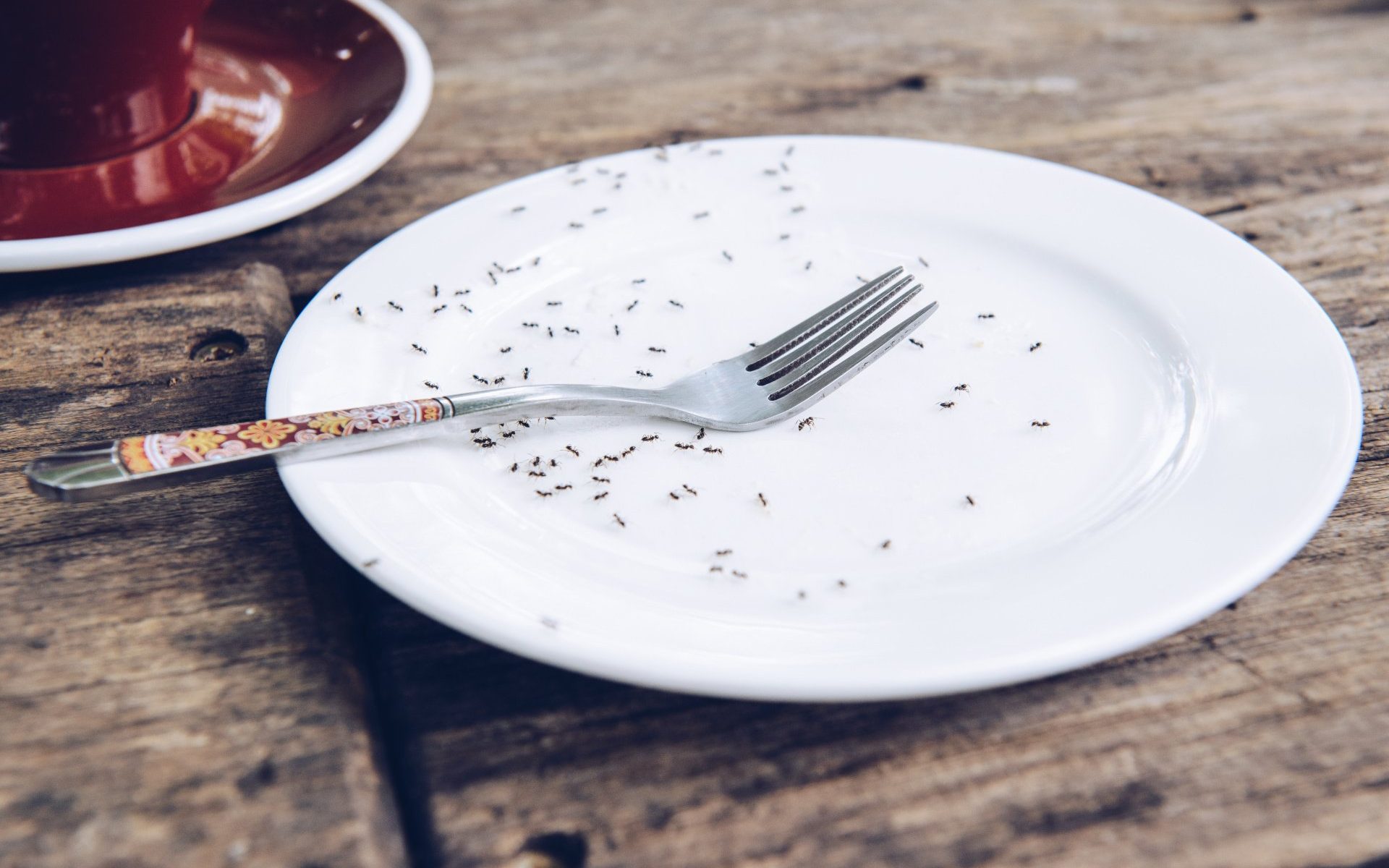
Ants. Everyone knows that sinking feeling when you see a lone scout scurrying across your counters or in the corner of a room. You know that where there is one, there are surely more to follow.

When you see those little black ants in your home, you might wonder how to get rid of ants in the house. There are many tricks you can try, but there is always a chance the ants make it back.

If you have tried everything you can think of and keep seeing these pests, call a company you can trust. At Environmental Pest Management, we pride ourselves on getting the job done right safely – and the first time around.

If you are just seeing the first signs of black ants, here are a few ways to get rid of them.

Also Read: How to Get Rid of Carpenter Ants

Why Do I Have Ants?

Ants are persistent and creative creatures. They find their way into seemingly closed-off homes time and time again. You think you clean up well enough, but they come back before you know it. Many things attract ants to homes.

Dirty Kitchen

A “dirty kitchen” doesn’t mean something you would see on Hoarders. All ants use their antennae to navigate and sense out food sources, or so say researchers at Vanderbilt. Black ants can even sense a small amounts of food from a great distance.

So, if you forget to wipe the counters after cooking dinner, or you leave dishes piled in the sink overnight, ants can smell that. Crumbs on the floor or food that you did not appropriately seal will also draw in the ants.

Take a few minutes each night to wipe down your kitchen surfaces and put away any food. You will be happy you took the time when you aren’t dealing with ants later.

Ants

Landscaping

Plants provide food and protection for ants. If you have landscaping with bushes, trees, or other plants directly against your home’s exterior, you are practically inviting ants into your house. Shrubs and leaves touching your home are a beacon calling ants inside.

If you have seen ants inside your home, spend an afternoon working on the yard. Pruning back bushes and flowers or pulling weeds can make a significant difference in the number of ants you see.

Poor Seals

Because ants are so small, they do not need much of an opening to enter your home. If your doors and windows are not sealed properly, ants can use these small opportunities to get into your house.

Inspect all of the doors and windows around your home for any air coming in. If air can get in or out, so can ants. Seal these openings with caulk to keep ants out. Plus, you will save on your utility bills. Win-win.

How to Get Rid of Ants

Ants are one of the most common pests that plague homeowners. They are annoying, and they can contaminate food, drinks, and medicine in your home. Removing ants can be an incredibly difficult task.

Ant Bait

Often, your first instinct is to kill the ants you see foraging for food. While this takes care of the immediate problem, it will not eliminate ants from your home. An entire colony of ants is waiting in the wings, waiting for those scouts to return. The queen will deploy many more workers to forage in your home when the dead ants do not return with food. Your best bet to permanently remove ants from your home is to kill the queen.

The best option for killing a queen ant is to find the nest. Sometimes, this is impossible. Or perhaps you find the colony but are unable to reach it because of its location. Often ants build nests behind walls, cabinets, and appliances.

Also Read: Should Carpenter Ants Be On Your Radar This Spring?

If you can’t reach the colony to kill them directly, your next best bet will be an insecticide bait. Ant baits combine a sweet smelling food substance with an insecticide. Foraging ants find the bait and unwittingly bring the poison back to the colony and feed the queen with the bait. This bait can kill an entire colony.

There are many options for ant bait in stores. You will find gels, plastic stations with food inside, or tubes filled with bait. A quick trip to the grocery or hardware store will give you a plethora of options.

Ants

Other DIY Methods

If you are nervous about using poison in your home, there are things you can do that are safer, yet still effective. If you have a roll of tape lying around you can make your own trap. Just lay tape, sticky side up, around any food sources or hot spots you regularly see ants. Ants will walk onto the tape and be stuck.

A surprising way to keep ants away is chalk. This item, usually reserved for schoolrooms, repels ants. Use chalk to draw a line at any point an ant can enter your home. The calcium carbonate in chalk is just the crushed shells of sea creatures, and ants hate it. You can even sprinkle chalk in your garden to keep them away.

Another common household item that can keep ants away is pepper, in particular, cayenne pepper. Ants hate the smell of pepper and avoid it. If you sprinkle small amounts of pepper where your counter meets the wall, ants won’t be able to find sugar over the smell. You can also pour cayenne pepper directly into an ant mound to get rid of ants.

If you see ant mounds in your yard but want to avoid dangerous insecticides, try vinegar. Spraying vinegar water directly onto the hill will force those little black ants to move away. For stubborn colonies, you can even pour straight vinegar into the colony.

Ants

Call Environmental Pest Management

Whatever kind of ants are invading your home, Environmental Pest Management can help. We use safe and effective methods that are bad for bugs, not your family. Visit us online to request a quote. We will work with you to ensure you are comfortable with us, our process, and the cost.

If you want to say goodbye to ants but need a little help, give Environmental Pest Management a call.
Diatomaceous Earth Benefits as a Natural Pesticide

Diatomaceous Earth

It seems that whether the weather is warm or cool, there is always a reason for bugs and spiders to be trying to get into your house. No matter the season, pests find your home hospitable and want to take up residence. If you have bugs bugging you, there are some natural solutions to keep bugs out and your family and pets safe.

At Environmental Pest Management, natural pest control remedies are our specialty. Here’s a tip from us about something you can use at home to keep bugs at bay. Have you heard of diatomaceous earth (pronounced die-uh-toh-may-shush earth)? We promise; it’s not just dirt! But it can be your friend for non-toxic pest control.

What is Diatomaceous Earth?

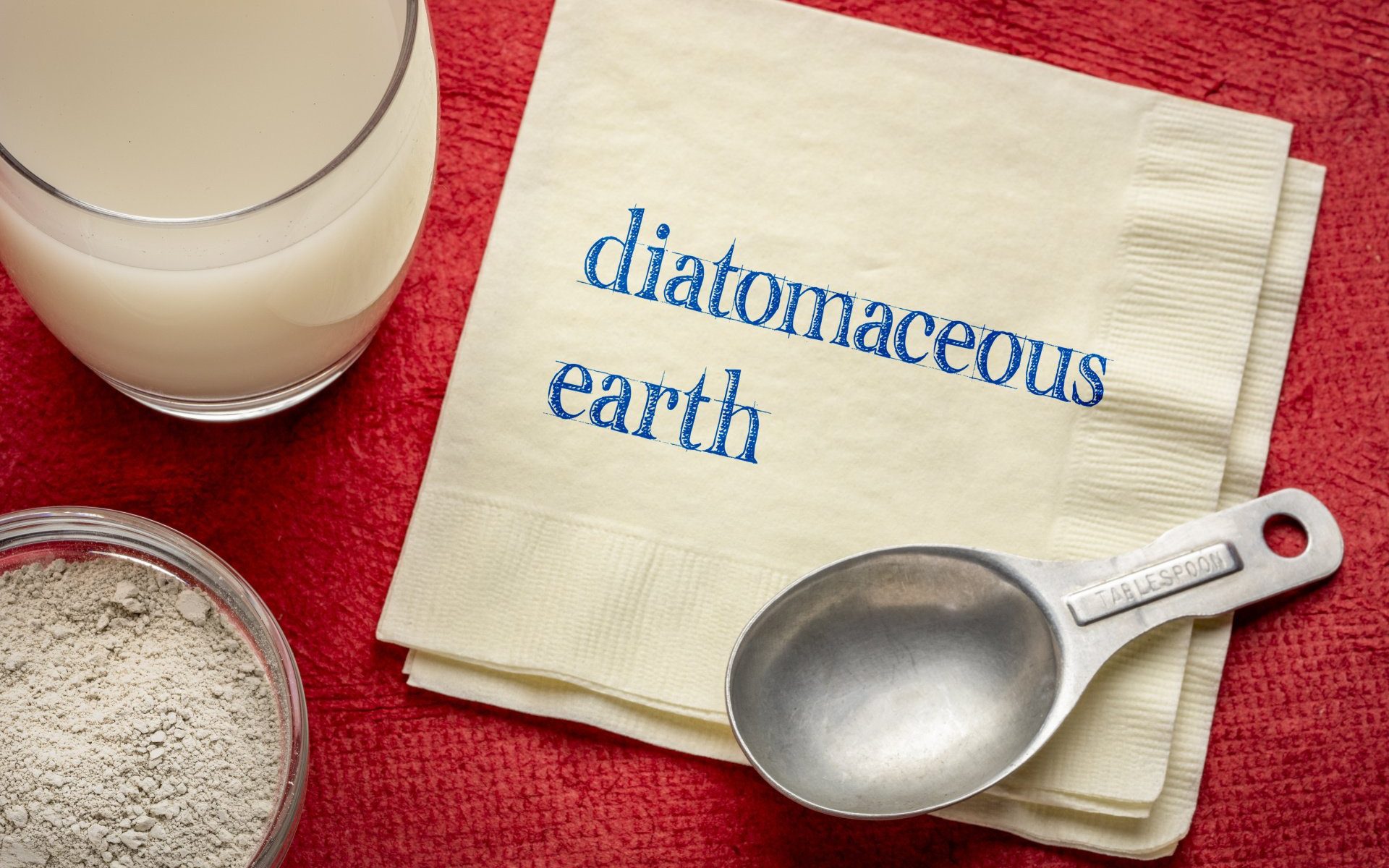
Diatomaceous earth (DE) is a talc-like powder comprised of microscopic, single-celled organisms called “diatoms.” These organisms were hard-shelled algae or phytoplankton that lived several million years ago and accumulated in large deposits along lakes, streams, and riverbeds. In the U.S., deposits of diatoms look like soft, sedimentary rock, that becomes a fine off-white powder when crushed. Basically, diatomaceous earth is fine dust that contains deposits of diatoms.

Even if you’ve never heard of diatomaceous earth before, you may have used products that contain it. Most diatomaceous earth is “food grade,” which means the US Food and Drug Administration has evaluated it as non-toxic and edible. Many products, including foods and beverages, contain diatomaceous earth. It is a commonly used anti-caking agent and sometimes used as a clarifier in wine or beer.

DE is also used in the manufacture of skin exfoliators, toothpaste, and facial scrubs. Some people even take diatomaceous earth supplements, as it has been shown to boost your immune system and improve joint health.

Also Read: Good Bugs for Your Garden

So how does finely crushed rock containing the corpses of eons-old micro-organisms help you with your pest problems? The story continues to get weirder, but despite it sounding like something out of science fiction, it truly works.

Natural Pesticide

How Does Diatomaceous Earth Control Pests?

One of the many benefits of diatomaceous earth is its use as a natural pest control. Registered as a pesticide, DE controls cockroaches, silverfish, ants, fleas, ticks, bed bugs, crickets, spiders, and other pests.

If it’s non-toxic and humans can eat it, then how does it kill bugs? The answer, my friends, has to do with skin. Humans have it, and bugs do not. We wear our skeletons on the inside while bugs have exoskeletons. Herein lies DE’s effectiveness as pest-control. Diatomaceous earth is not poisonous, and the bugs don’t eat it. They walk right through it and meet their demise.

All those fossilized algae skeletons, or diatoms, have little sharp edges. Diatomaceous earth is abrasive, which is why it gets used in exfoliants and toothpaste. Those sharp edges make tiny cuts in an insect’s exoskeleton upon contact, and the diatomaceous earth then absorbs the oils and fats from its outer layer. As a result, the insect dries out and dies.

Also Read: Everything You Need to Know About Roly-Poly Bugs

Insects take a stroll through this innocuous-looking powder and don’t know anything is wrong until several hours later when they have crawled away to die.

Natural Pesticide

Where Can I Get Diatomaceous Earth?

You can find diatomaceous earth at home improvement stores, large stores that have gardening departments, garden supply stores, and online. When applying it for pest control, you do not need food grade, but if that is all you can find, it’ll work just fine. There are many brands to choose from that are usually sold by the pound.

How Should I Apply Diatomaceous Earth?

We generally recommend using diatomaceous earth outside your home. All you need to do is apply a thin layer of the DE in your flower beds, around your home’s foundation, in your lawn, along the edges of your patio, across your exterior door thresholds, or anywhere you want to control bugs.

There are two ways to apply diatomaceous earth. While wearing a pair of garden gloves and a mask, toss handfuls in the areas you want to control bugs. You can also load the diatomaceous earth into a dust spreader, which you can find at a hardware or home improvement store. In either case, it’s best to wear a mask to avoid breathing the powder. Inhaling too much of it can irritate your throat and esophagus, due to sharp the edges of the diatoms. Keep the area dry as much as possible. If the rain arrives, you’ll need to reapply.

Interior places to apply diatomaceous earth are: around the base of your kitchen cabinets, behind the washer and dryer, or around the perimeter of your garage. You can also sprinkle diatomaceous earth on your carpets, leave it overnight, then vacuum it — and any dead bugs — up in the morning. The same goes for upholstered furniture and mattresses. DE is known to kill those tiny pests that no one wants in their bedding or camping gear, bed bugs.

Natural Pesticide

Advantages of Diatomaceous Earth

Diatomaceous earth has several advantages over chemical pesticides. First, bugs cannot build up a resistance to DE. Insects can, and do, adapt and resist chemical pesticides, often requiring higher doses or new chemicals to be effective. Second, diatomaceous is 100% chemical free. It’s certified as safe by the FDA, so you don’t have to worry about it being harmful to your family or your pets.

Third, unlike chemical applications, diatomaceous earth doesn’t lose its effectiveness. As long as it is in place and dry, it will continue to work. Lastly, DE is beneficial for your plants and lawn, in addition to its pest-control perks.

Also Check: Secret Bug Breeding Grounds in Your Home This Winter

Your Partner for Natural Pest Control

If you need some help with diatomaceous earth or other pest control solutions, give us a call at Environmental Pest Management. We’ll be happy to inspect your home for creepy crawlies and get you on a pest management schedule to keep your home insect and critter-free. We always use the least toxic, most environmentally conscious, and effective treatments possible, so you can trust that your family will be safe and secure.

Let Environmental Pest Management take care of the pests so that you can take care of your family.

Pesticide Safety in the Home

Bug Spry

Whether natural or chemical, most households have pesticides on hand, especially in the months more prone to bugs and critters swarming around your home.

While pesticides can be crucial to safeguarding your home from unwanted visitors, you need to handle pesticides properly and safely. Knowing how to use pesticides and warning children about the hazards of pest control sprays or other chemicals are of utmost importance.

If you’re considering applying pest control inside your home or on your yard where your children and pets play, you need to think about safety first. Even if you are using natural or non-toxic pest control solutions, you still to follow the guidelines and use precaution.

At Environmental Pest Management, we know how stressful it can be to think about any chemicals or pesticides in your home. Our experienced staff is available to answer questions and get your home protected from any rodents or insects trying to make their home in your home.

Also Read: How to Help Bees

Why Pesticide Safety is Important

You can get sick from touching or ingesting many pesticides, and some can also cause illness or distress from breathing in the dust or fumes. Always read the labels on pesticides and follow the directions carefully.

Pesticide use requires your care and attention. While many pesticides are marketed as safe to use, there are still hazards from overexposure or other risks.

The two central tenets of pesticide safety are: minimize your exposure and follow all directions correctly.

Pesticide

Minimizing Exposure and Following Directions

The most frequent exposure that humans have to pesticides is through the skin. Therefore when you are using pesticides, follow these guidelines:

  • Always cover your limbs. That means long pants, long socks, and long-sleeved shirts.
  • Never wear open-toed shoes while using pesticides.
  • Do not use pesticides without gloves. If possible, use chemical-resistant gloves.
  • Wear a mask if applying a powdered chemical.

Never assume you already know what to do with any pesticide. Always read the entirety of the instructions, not merely mixing directions. Follow them to the letter, even if some seem like overkill. They were written that way for a reason.

Most pesticide labels contain the following information: EPA registration number, ingredients, signal words like “CAUTION” or “DANGER,” precautionary statements, directions for use, first aid instructions, and storage and disposal information. Yes, that is a lot of information to digest but thoroughly reading the label can prevent disasters.

Pesticide instructions will tell you how much to use for the size of your treatment area. Do not assume that more is better. Only use as much pesticide as stated in the instructions.

Also Read: Natural Bug Repellents For Bug-Free BBQs

Pesticide

Kids’ Safety

Teaching children how to be safe around pesticides is extremely important. In some cases, exposure to chemical pesticides is a literal life or death situation, especially for a small child. Use these tips to help keep your kids safe around pesticides.

  • Have conversations with your children and teach them that pesticides are poison. Remind them that it is not something they should eat, drink, or touch.
  • Always store any pesticides in their original container with specific labels for their contents. If you transfer a pesticide to a different container, you run the risk of someone mistaking it for something safe. Labels such as “Poison,” “Adults Only,” or “Not for Kids” are a good start, but reminding yourself which chemical the container holds by writing it on the label will help you in the future as well.
  • Keep all pesticide containers in a locked cabinet or area that is inaccessible to children. Keep them far away from areas where children or pets play as well.
  • Show your kids how to wash or scrub their fruits and vegetables before eating them.
  • Teach your kids to take off their shoes when coming into the home or scrubbing their shoes on mats before entering. Pesticides can be trekked in from the outside and be harmful to pets.

Remind your kids regularly about the dangers of pesticides, and ensure any regular babysitters are aware of any pesticides in your home. The EPA (Environmental Protection Agency) has activity books and worksheets on their website to help you navigate pesticide safety with your kids.

Go Natural

To keep your home pest-free without the use of harsh chemicals, you can always take an all-natural approach. There are many ingredients and materials you can use that are safer than chemicals, inexpensive, and effective.

Spraying a mixture of water and eucalyptus oil in areas infested with flies or bees will cause them to move on. Combining citrus oil, your choice of liquid soap, and water creates a spray to prevent ants, roaches, and slugs from entering your home. These are just some examples of natural pest control methods.

While these natural pesticides are safer than chemical pesticides, you may need to use them more often to gain optimal results. If you need fast results but are worried about how to keep your family safe, Environmental Pest Management can help.

Also Read: What Pest Problems Come With The Spring Thaw?

Pesticide

Call Environmental Pest Management Today!

Are you trying to figure out what to do with pest problems and pesticides in your home? We know how vital pest management is. Trying to find the right pest-control method while keeping your family safe can be a difficult task.

With over 30 years in the field, our qualified and experienced staff will help you find the methods that work best for your family and your home. Whether you are vexed by rodents or struggling with bed bugs, we serve the greater five-county metro area. Call us today at (952) 432-2221 for your free quote!

How to Help Bees

Bees

Most of the time, winged bugs are seen as obnoxious, annoying, or even dangerous. They sometimes prevent us from enjoying our yard or house, if they manage to make it inside. However, of all of the bugs that can ruin our day, the honey bee is one to appreciate. You may even be wondering how to help bees since they contribute so much to our lives.

Bees pollinate our flower and vegetable gardens as well as our fruit trees. They play a significant role in our ecosystem. Without bees, we wouldn’t have delicious honey, beeswax products, or flourishing plants and flowers. The importance of bees makes it essential for us to take care of them and ensure they are safe.

A pest-free home is your goal, but your family’s safety is your top priority. It is also critical to keep bees from harm when treating your home or yard for pests.

Environmental Pest Management specializes in safe and eco-friendly pest control. We strive to offer the least invasive and most safety-conscious way to eliminate pests from your home. We understand that our clients value our environment as we do, and are looking for safe yet effective ways to protect their homes and yards.

If you are looking for ways to help bees throughout the year, check out these fantastic ideas for your backyard. With the right plants and practices, you’ll be ready to watch your garden thrive and know that the bees are safe.

The Right Flowers

Are you an avid gardener? Maybe you’re only looking for some spots of color around your home or are hoping to add a few plants to help bees. Whatever your skill level when it comes to gardening, you can make a difference by selecting flowers and plants that will help keep bees alive.

Bees love flowers, but particular varieties are more attractive and appealing. Planting native flowers is one way to assist bees. These native plants are already adapted to your local area and therefore may offer bees food before or after other sources are available. Some fantastic Minnesota flowers to try include sunflowers, yellow and purple coneflower, borage, and blue lobelia.

Everything from flower color to design to pollen content is important when considering which flowers to choose for bees. Bees prefer blue and yellow flowers, as well as blossoms with nectar at the base. Dandelions, daisies, and traditional flowers offer the most pollen and nectar.

Adding some bee-friendly flowers to your landscape will not only provide nourishment for the bees but will help your home look beautiful and inviting as well. Another bonus: bees that have plenty of nectar to drink from flowers will not seek out human sources of food, such as sweet drinks on your patio. Keeping bees fed naturally reduces your contact with them.

Also Read: Pesticide Safety in the Home

Bees

Water the Bees

Bees need access to water to survive. Offering a shallow drinking area for bees will help keep them safe. Consider using a bird bath and place some stones inside for bees to land on when they drink. Bees also love moving water such as fountains or water features. These pieces also add ambiance to your garden and yard.

Consider Bee Keeping

Depending on where you live and the accompanying regulations, backyard beekeeping might be an option for you. What better way to help increase the bee population than to have your own hive? Not only will the bees pollinate your trees, shrubs, flowers, and vegetables, but you’ll be able to harvest delicious homegrown honey.

Keeping bees is not as challenging as you might think, and the rewards for the environment are fantastic. You can enjoy this beneficial hobby and learn a lot as well.

Also Read: Natural Bug Repellents For Bug-Free BBQs

Bees

Be Mindful of Pesticides

Pesticides can be very harmful to bees. Whether you’re trying to kill weeds in your yard or eliminate other pests, bees can also be affected by the chemicals you choose to use. Consider natural alternatives to pesticides.

Certain plants can help deter pesky bugs such as mosquitoes or other pests. For instance, lavender repels unwanted pests, but bees love lavender. To repel slugs and snails, consider adding diatomaceous earth or even salt to your landscape beds.

Do your research or consult the experts to ensure you’re using safe products that won’t harm the bees.

Bees Are Our Friends

When it comes to helping bees, taking these simple steps can go a long way toward keeping them safe and productive. Not only will the environmental impact be noticeable and lasting, but your yard will also potentially benefit. Attracting bees to your yard will help your veggies, fruit trees, flowers, and shrubs flourish and thrive. You can enjoy a robust and vibrant garden all thanks to our friend, the honey bee.

Also Read: Bee and Wasp Control

Bees

Let the Professionals Help

If you need pest control services for your home, let Environmental Pest Management create a safe and environmentally friendly plan for you and your family. You’ll appreciate their commitment to your family’s safety as well as the environment.

With over thirty years of experience, you can have confidence in knowing that they are knowledgeable and skilled at their job. From residential to commercial services, Environmental Pest Management is ready to help you keep your home pest-free.

If you are ready to take action against pests in your home, contact us today. We are ready to provide you with a free estimate and begin a plan to keep your home safe. We look forward to working with you and helping you safely eliminate pests in your home.

Whether you have an infestation you need to get rid of or are looking to take preventative measures, we are here to help. We always keep our environment in mind when servicing your home. Reach out to us today, and rest assured that we will keep you and your family safe.

Bug-Free BBQs: Natural Bug Repellents to Keep Pests at Bay

Barbecue

Bug-Free BBQs: Natural Bug Repellents to Keep Pests at Bay

Everyone knows spring weather means it’s time to get outside. When the cold weather finally fades, and spring flowers start popping up, kids and adults alike find themselves outdoors more often.

However, the more time you spend outside in the warm weather, the more you will encounter outside pests. Outdoor pest control becomes critical when the mosquitoes and other bugs start biting.

At Environmental Pest Management, we focus on keeping bugs away from your family using safe and effective ways. We want to keep pests under control all summer so you can enjoy your time with your family outdoors.

Tips for a Pest-Free Yard

The most important thing you can do to keep pests from bothering you is to ensure bugs take up residence in your backyard. There are strategies you can use to make sure pests don’t make their home in a place where you like to hang out.

Bugs like clutter, or at least they feel safe and hidden in your clutter. If you have things piled on your patio or in your yard, don’t be surprised to find crawly things have moved in. Piles of toys, boxes, stacked wood, or unused flower pots make perfect homes. If you must have things like this around, make sure they are away from where you prefer to be, such as the far side of a shed or behind a fence.

Ensure there is no standing water around your house. Bugs are attracted to water, and many of them will lay eggs in it. Keep any bird baths or planters filled with fresh water. Keep the grass trimmed and cut as well.

It is also essential to keep all trash picked up. Keep lids on any trash bins and make sure drains and gutters are clear so water can flow freely. Bugs will also make their home in the built-up debris in clogged gutters.

Also Read: How to Help Bees

Bug-Free BBQs

Natural Bug Repellents

If you are looking for natural ways to keep bugs away, there are many options. There are endless products that claim to keep bugs away from you. Choosing one is not such an easy task.

Without listing all the brands you could potentially buy, there are some ingredients you should look for in a natural pest-repellent.

There are several different types of plants that repel biting insects. In particular, garlic and rosemary are surprisingly good at keeping bugs away. Chive and lemongrass are also excellent at repelling insects you don’t want near you. Marigolds are also bug repellants on top of being beautiful.

Lavender is another excellent for keeping pests away. Not only does lavender keep bugs away, it is antifungal, analgesic, and antiseptic, meaning it will soothe your skin in the process.

If you are looking to repel adult mosquitoes and kill any eggs present, cinnamon oil is incredibly useful. Thyme is also excellent for repelling mosquitoes. You can also burn thyme leaves to keep mosquitoes away; be sure you have some anytime you’re camping and add them to your fire.

Citronella torches also go a long way to repel bugs. Using citronella torches and candles will provide double the protection, and create some mood lighting perfect for entertaining. If you know you will be spending time on your patio or porch, spray a mixture of hydrogen peroxide and water on your porch and surrounding areas. Be sure to avoid spraying on your food and drinks.

Also Read: Pesticide Safety in the Home

Bug-Free BBQs

Why Not Deet?

There is one ingredient that you might have noticed missing from this list: DEET. While there isn’t much argument that DEET is effective at repelling mosquitoes, there is some debate as to how safe it is to use.

Studies have shown that DEET is toxic to the central nervous system. Another study demonstrated that while DEET is prevalent in commercial bug repellents, it is still controversial. DEET can kill neurons in the brain that are responsible for muscle movement, learning, memory, and concentration. Because kids absorb things through their skin faster than adults, children are at a higher risk using DEET.

Bug-Free BBQs

DIY Natural Repellent Recipe

There are many recipes available for a natural bug repellent; most include essential oils. Because there is some concern as to the safety of applying essential oils directly to the skin, especially on children, consider spraying these repellents to clothes or gear when outdoors.

There is a basic formula for natural bug repellents. Generally, you will use a combination of essential oils, water, witch hazel, and sometimes glycerin. The glycerin helps keep ingredients combined. The best essential oils to repel bugs are lemongrass, eucalyptus, rosemary, tea tree, lavender, mint, clove, geranium, and citronella.

For the DIY natural bug repellent, you will need:

  • 20-30 drops geranium essential oil
  • 20-30 drops citronella essential oil
  • 15-20 drops lemon eucalyptus essential oil
  • 15-20 drops lavender essential oil
  • 5-10 drops rosemary essential oil
  • 1 tbsp vodka (or rubbing alcohol)
  • ½ cup witch hazel
  • ½ cup water (or white distilled vinegar)
  • 1 tsp vegetable glycerin (optional)

Combine all ingredients in a glass or BPA-free spray bottle. Keep the mixture with you whenever you plan to be outdoors. Apply to your body, clothing, or outdoor furniture to keep bugs away.

Bug-Free BBQs

Call Environmental Pest Management

If you are concerned about bugs around and in your home, contact a trusted pest control company. At Environmental Pest Management, we have years of experience protecting people’s homes from pests that bite and bother your family.

We take extreme caution with the products we use. We treat your home as if it was a medical facility, meaning our products have little to no odor, and we apply them safely and only in specific areas.

We first complete a thorough inspection. Then, we deal with your pest problems both inside and outside. We will evict any pests inside your home, and make sure they can’t take up residence outside of it. We customize our services for each of our clients based on their needs and budget.

Call Environmental Pest Management today so you won’t have to worry about insects crashing your barbecues and bugging you all season.