Environmental Pest Management

11975 Portland Ave, Suite 126 , Burnsville, MN 55337

Working Hours
Mon - Fri 8:00a to 4:00p

Call us
952-432-2221

What To Do If You Have Bats In Your House

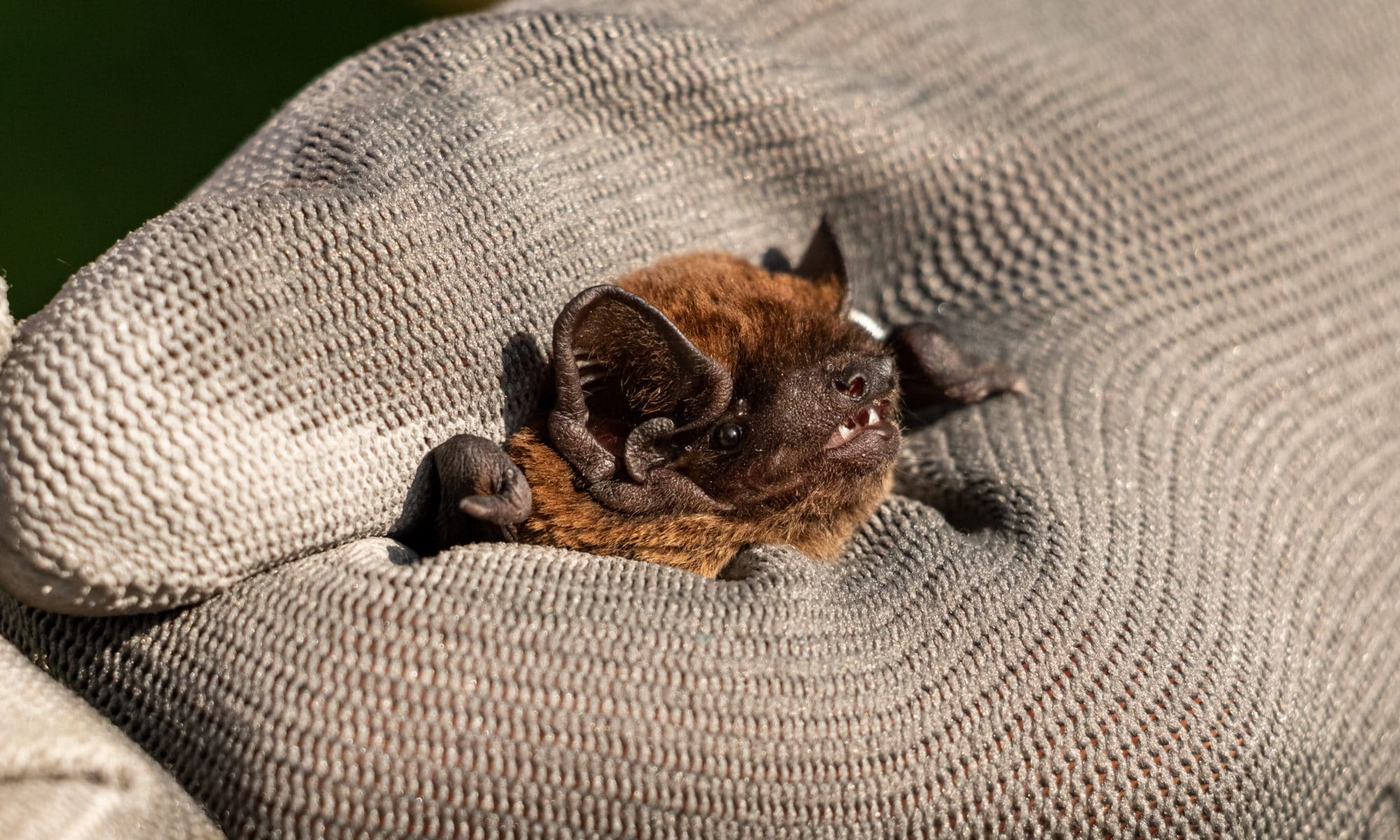
a Little Brown Bat in the hand of a pest control worker

You catch something out the corner of your eye. Did you imagine it?  Then you hear the flutter. Your heart flutters along with it as you realize there is a bat in your home. 

Do not panic. Reach out to Environmental Pest Management for a free quote today.

Your first step is to determine if it is a single bat led astray or more than that. The two situations are dealt with very differently. 

Single Bat
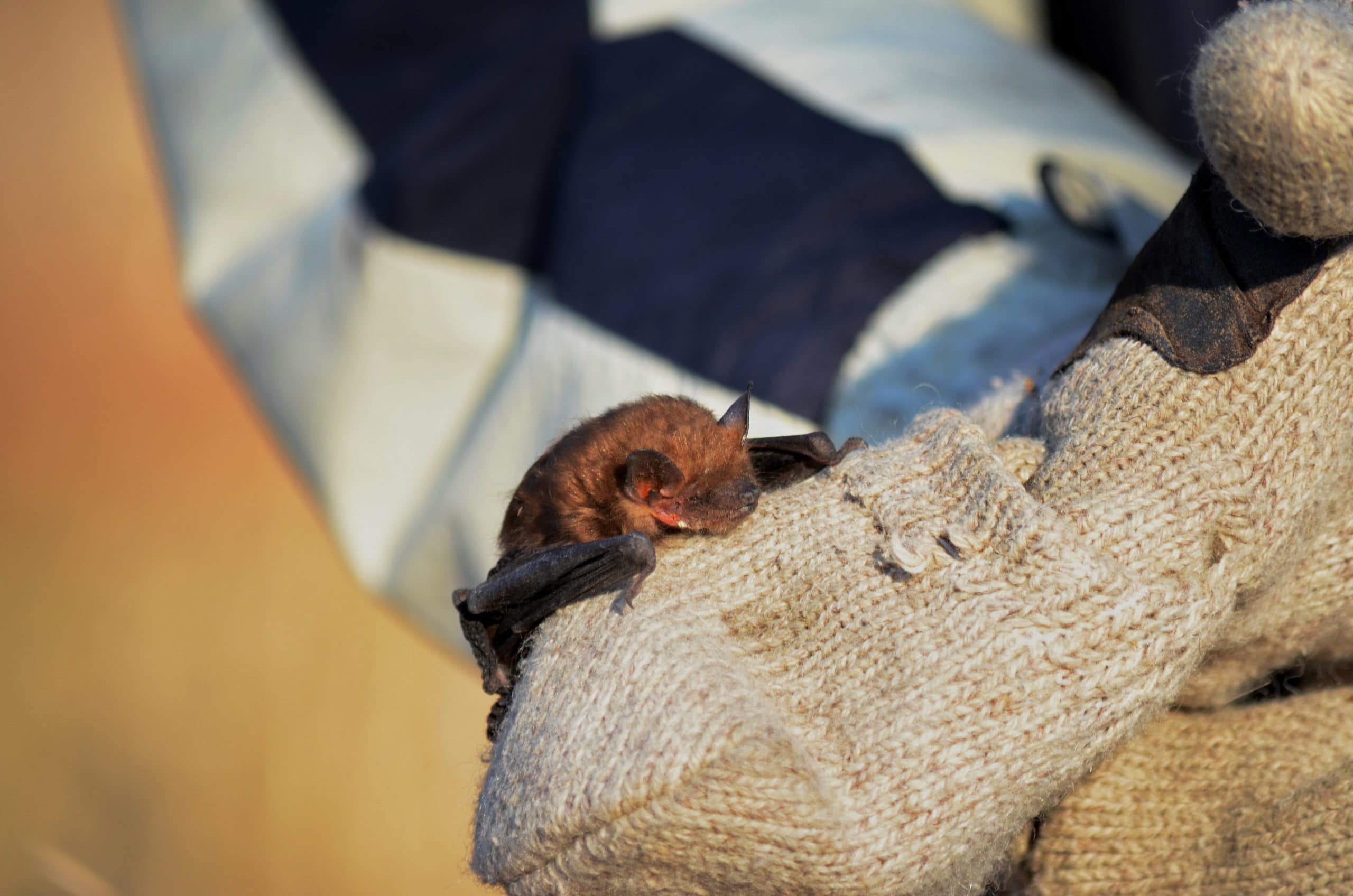
Rescued Big Brown Bat from home

Again, do not panic. You can do this!

The bat is most likely lost and is frightened itself. According to The Humane Society of the United States, there are things you should and should not do when it comes to bats.

The bat will generally fly until it finds a perching place. They like to stay close to the ceiling and fly in a U pattern. Curtain rods and pants are a favorite, as they can hang on them.

Get all the children and pets out of the room and close off any interior door. Open all windows and outside accesswindows, doors, and skylights. Hopefully, the bat will exit by itself. 

If the bat is still there, wait until it lands before trying the next steps.

Put on suitable work glovesnot knit, as the bat claws can latch on to those. If you do not have any, roll up a t-shirt. Bats usually will not get into your hair, but a reasonable precaution. 

Never use bare hands when handling a bat. If you are worried about your hair, pull it back or put on a hat. Bats usually will not get into your hair, but a reasonable precaution. 

Find the bat in it’s landing spot. Have a plastic tub or a container and piece of cardboard ready. Cover the bat with your container and carefully slide a piece of cardboard under, covering the entire box. 

Your bat is now trapped safely! You did it!

Next, you want to go near a tree and tilt the container and let the bat climb onto the trunk. Bats can not fly from the ground, so do not release them in your yard. 

If you do have contact on your  skin from a bat or wake up and see a bat, contact your doctor. Some bats may carry rabies, just like any mammal. While rabies is always fatal in humans, it is also 100% preventable with proper treatment. 

Bats, Bats, and More Bats
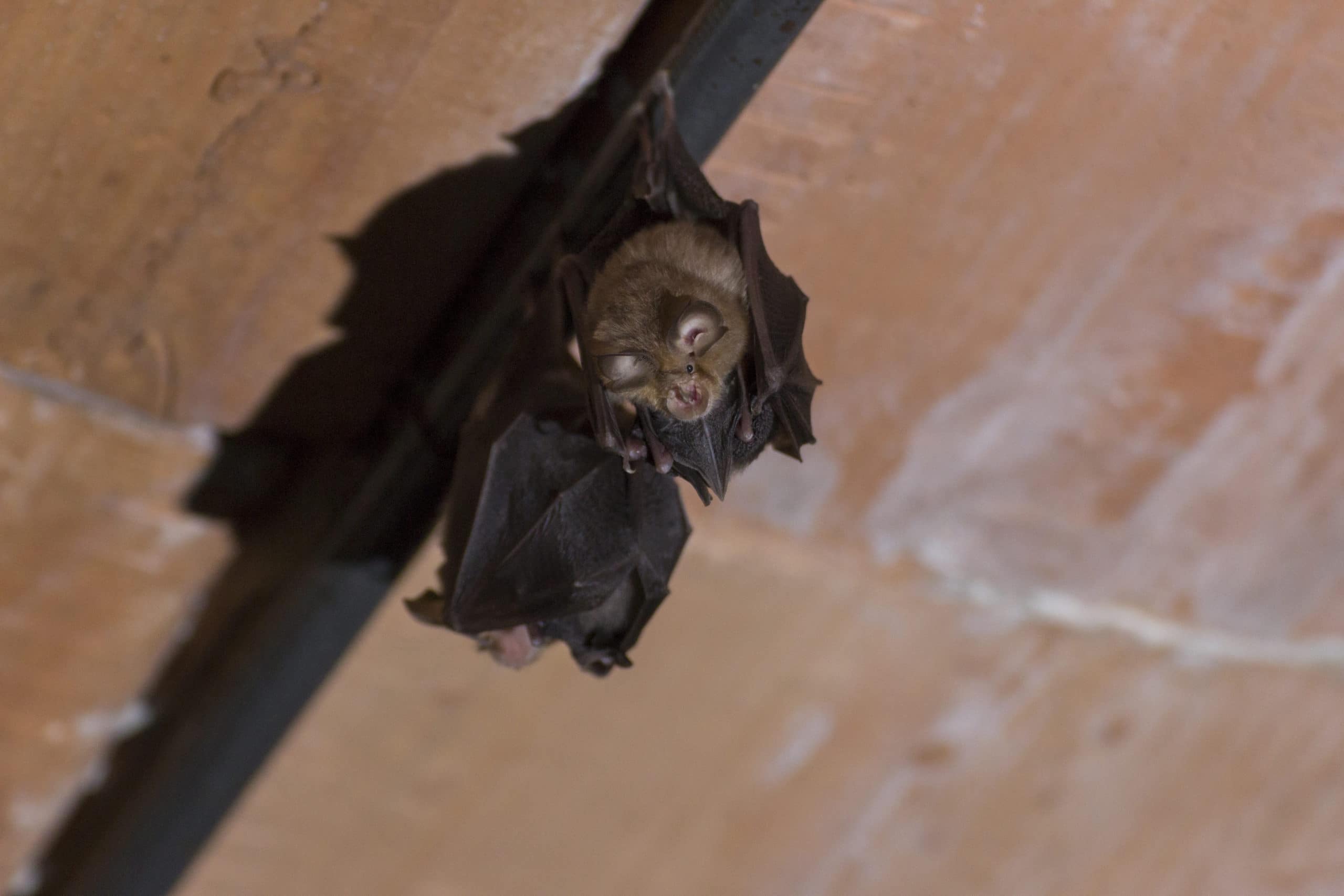
Two bats in a home

What if you find evidence of more than one lost bat? Contact an expert. Free quotes are available at Environmental Pest Management, serving Minnesota in the Twin Cities metro area and surrounding suburbs, Rochester, East Central Minnesota, and several counties in Western Wisconsin (see below for a complete county list).

Minnesota and Wisconsin bats are generally one of two species: the Big Brown Bat or the Little Brown Bat.

Bats use open spots to get into your homes, such as attic spaces, wall cracks, and soffit/fascia areas.

Bats are looking for a place for their winter hibernation and a place where they want to breed and socialize. Bats have a choice when colder weather arrives: hibernate or migrate to a warmer climate with an available food supply. 

Bats are mammals but not flying rodents. Their teeth are made for eating insects and will not damage structures or wood.

The goal is to get the bats out, without harm. Bats are a vital part of our environment. Bats eat insects, pollinate, spread seeds, and are the prey of other animals, as shared by the National Park Service.

Getting bats to join other colonies is the best outcome. There are times of the year when bat removal is not possible, such as when bats are in hibernation (they would get sealed into your house, which no one wants) and after birth, while the babies are still flightless.

Inspection of your home or business will determine the course of action. You want to rid your place of bats and prevent any future problems. Bat removal is a job for professionals who have the proper equipment. 

More Information on Bats
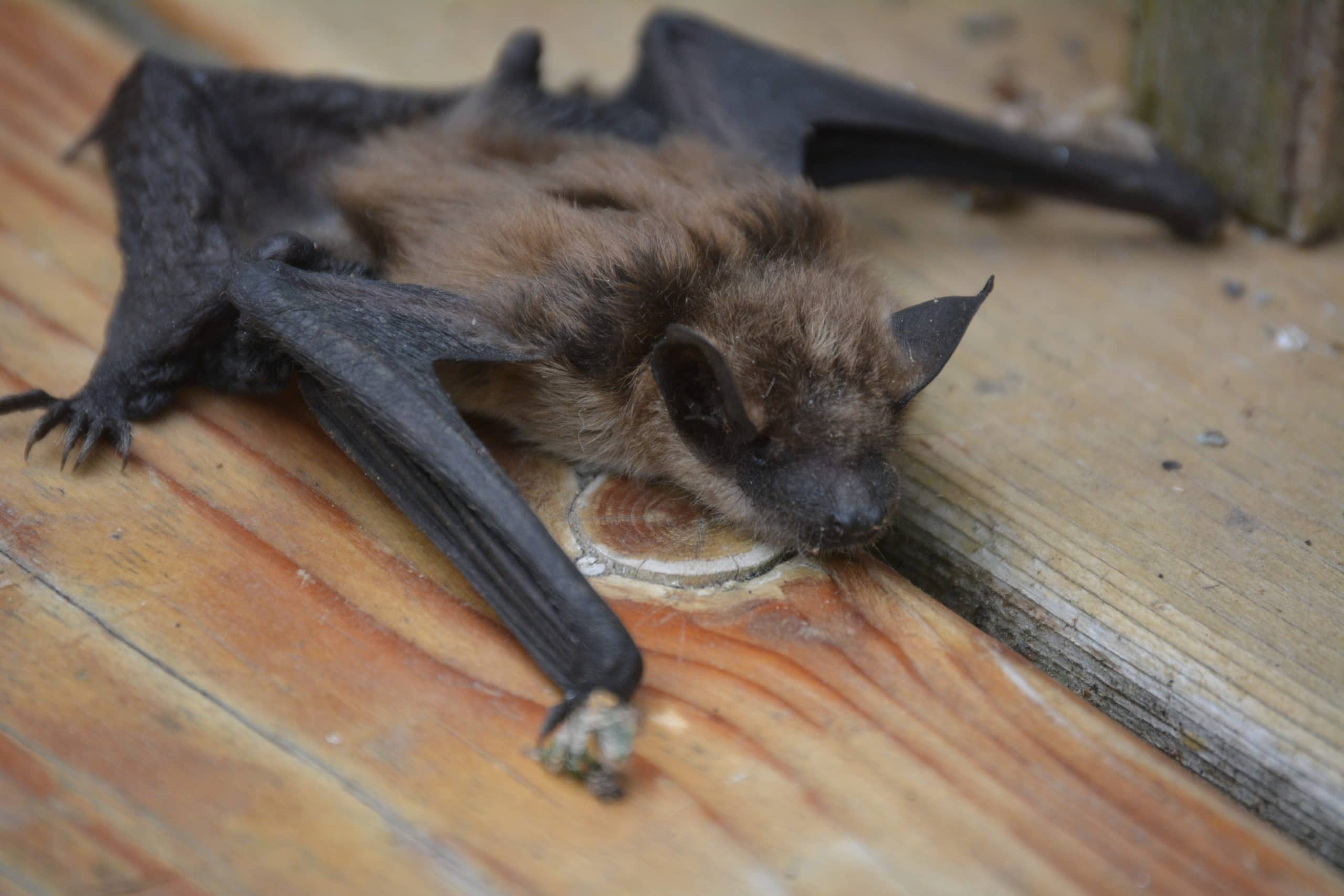
Big Brown Bat on a Deck

As stated, bats are significant for insect control. They consume insects every night. National Park Service tells us more than $3.7 billion worth of pest control in the United States is saved by bats annually. 

Bats help control the insect population, and other animals rely on bats for their survival. “Hawks, falcons, and owls eat bats, and mammals like weasels, ringtail cats, and raccoons sometimes attack bats while they roost,” according to the National Park Services. 

Bats often are thought of blind. This statement is false, as bats have decent eyesight. The larger fruit-eating bats can see three times better than humans.

Echolocation is used for bats to “see” obstacles and hunt prey in low light, such as their prime times of dawn and dusk. Bats are curious about new objects and will fly close to check it out. 

Do bats really drink blood? Yes, vampire bats do exist and drink blood from other animals. But do not worry, vampire bats live in Latin America. 

With over 1,300 species of bats worldwide, bats are the most diverse mammal group other than rodents.   

In warmer weather, bats seek out water, such as streams, lakes, and ponds. Bats do not like the sun or heat, and that is why you see them hanging from underneath a tree or in caves. Hiding also protects bats from their predators.

Why Environmental Pest Management
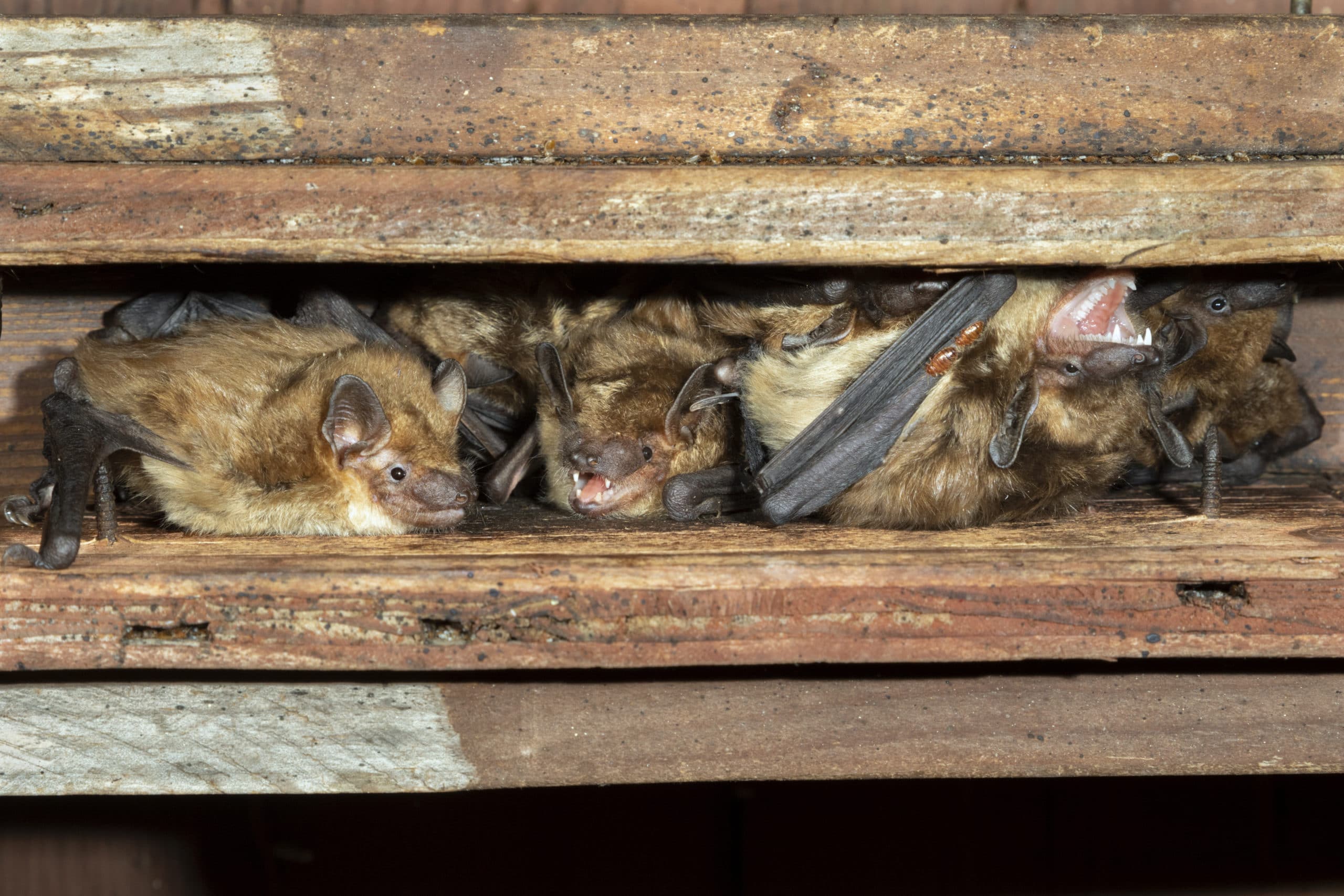
Big brown bats in a house

Environmental Pest Management is a company you can trust. It provides a free inspection for your bat problem, takes care of the bats in an environmentally safe way, members of professional associations, and a guarantee of satisfaction.

Wherever you live throughout Minnesota or Wisconsin, Environmental Pest Management is here for you. We know you work hard on keeping your home just how you like it, that does not include unwanted pests.

If you have any uninvited roomates you want removed, call us. We will come to your home, create a plan for you, and give you a free quote. No two homes or situations are the same, so no two plans are alike.

Call us today.
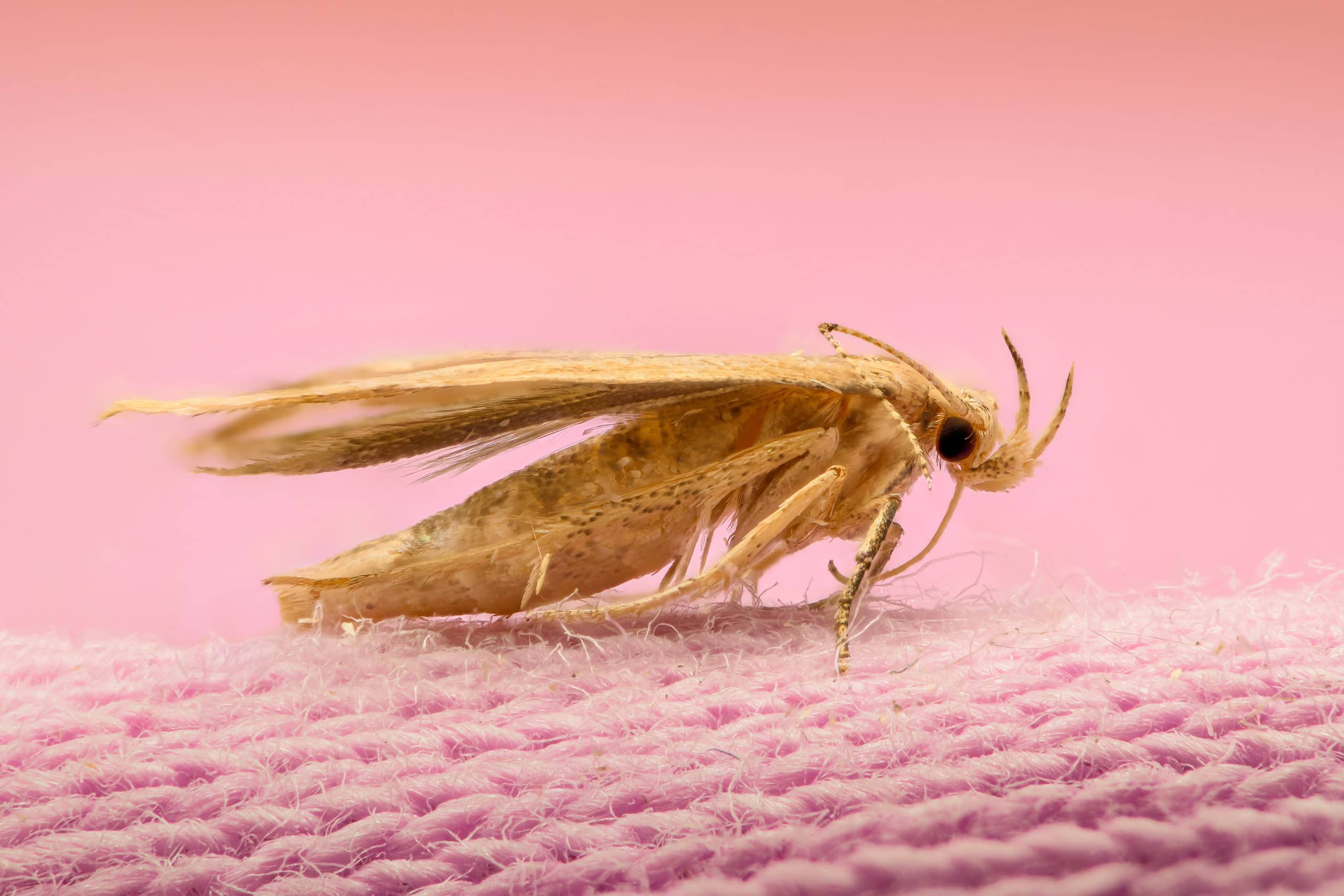
Dealing With Clothing Moths

a moth on a pink, knit piece of clothing

When thinking of old clothes in closets, garment bags, plastic dry cleaning bags, and moth-balls often come to mind. The clothes kept are often victim to clothing moths over time if not monitored.

If you are dealing with clothing moths and seek relief, reach out to Environmental Pest Management for a free quote today.

If you want to take back your closet and protect your favorite clothing from destruction, we have your back. Read on for our tips on dealing with clothing moths. 

Small Powerful and Mighty

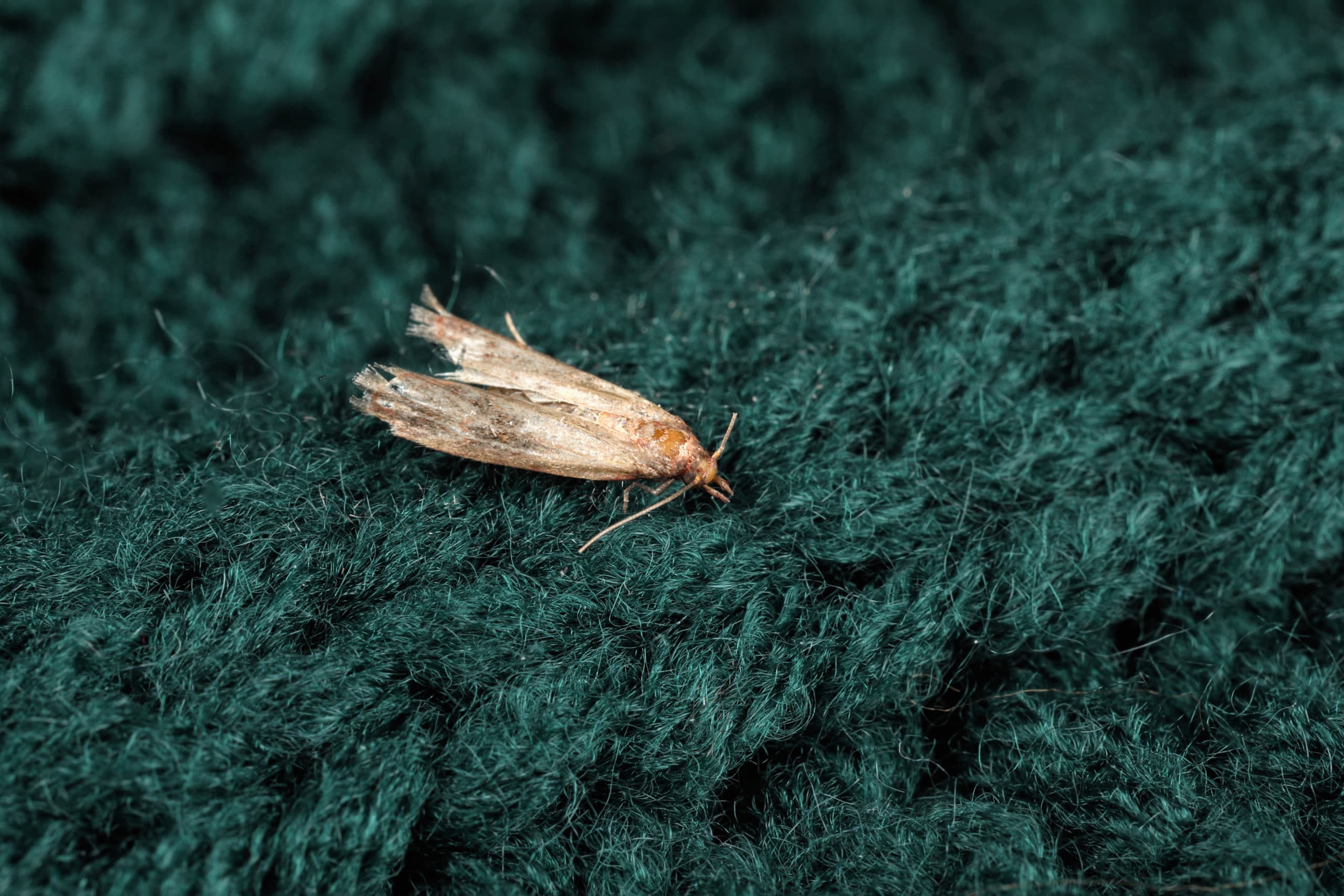
Common clothes moth (Tineola bisselliella) on green knitted fabric

The name clothing moth is quite deceptive. Webbing and Casemaking Clothing Moths also feast on items containing the protein keratin. Examples of these items are but are not limited to:

  • Upholstered furniture and drapes
  • Items made of animal byproducts such as fur, silk, leather, or wool. 
  • Dirty clothing (contains body oils, possible food debris, etc.)

Clothing moths differ from their brethren you see around street lamps or sometimes in pantries. While they are related, their appearance and behavior vary greatly.

These moths that don’t feed on clothes are greater than a centimeter long, and will often feed on plants. A fun fact about most moths is that they are bald: a detail that one would only notice with a microscope in most cases.

A great rule of thumb if you see a moth is that if it is over a centimeter long, it is not a clothing moth.

There are two types of clothing moths: Casemaking Clothes Moths (Tinea Pellionella) and Webbing Clothes Moths (Tineola Bisselliela). Unlike their traditional moth counterparts, they are just one centimeter long and are yellow or greyish. 

Being just one centimeter long makes these moths particularly hard to distinguish from one another. Webbing Clothing Moths are uniform in color. Casemaking Clothing Moths, on the other hand, are of the same color, but their wings are often speckled. 

Traits that both moths share are the tufts of hair on their heads as well as their size. The next feature is what sets these fabric munchers apart from their larger outdoor counterparts. Neither species of clothing moths have mouths once they are grown. 

You read correctly, and they have no mouths. So how these moths can eat clothing and fabric is the mystery here. The actual adult clothing moth does not eat fabric; their larvae do.

Hungry at Birth

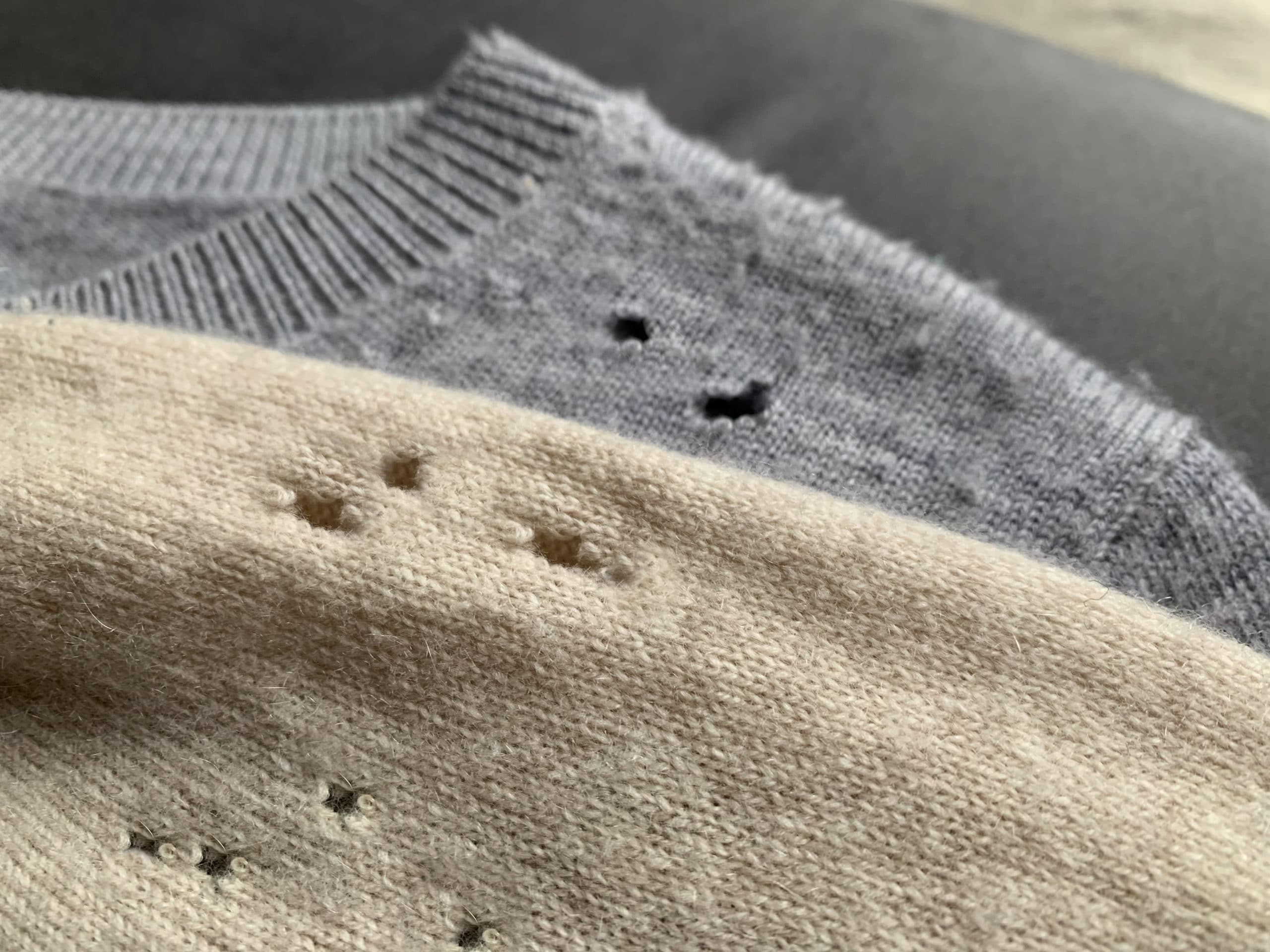
Two expensive cashmere sweaters with holes and damaged, caused by clothes moths

Clothing moths of either species lay their eggs on clothing so that they have food when they hatch. According to an article written in the New York Times, the eggs are held to the fabric by an adhesive layer covering them. 

Other cloth eating insects like the Carpet Beetle will not have this layer, making them easy to dispose of with a vacuum and vigilance. The concrete coating makes them impervious to vacuuming or dusting. 

Once they are born, they feed on whatever clothing they are attached to. Among clothing moths, favorite foods are animal originated fibers, feathers, mohair, wool, and fur. They also prefer clothing that has lingering body oils or food even.  

Unfortunately, though, the eggs are not typically seen until they have hatched. Their larvae leave a web that resembles dried snot. This web is a trait of both species of Clothing Moths. 

A Bug’s Life

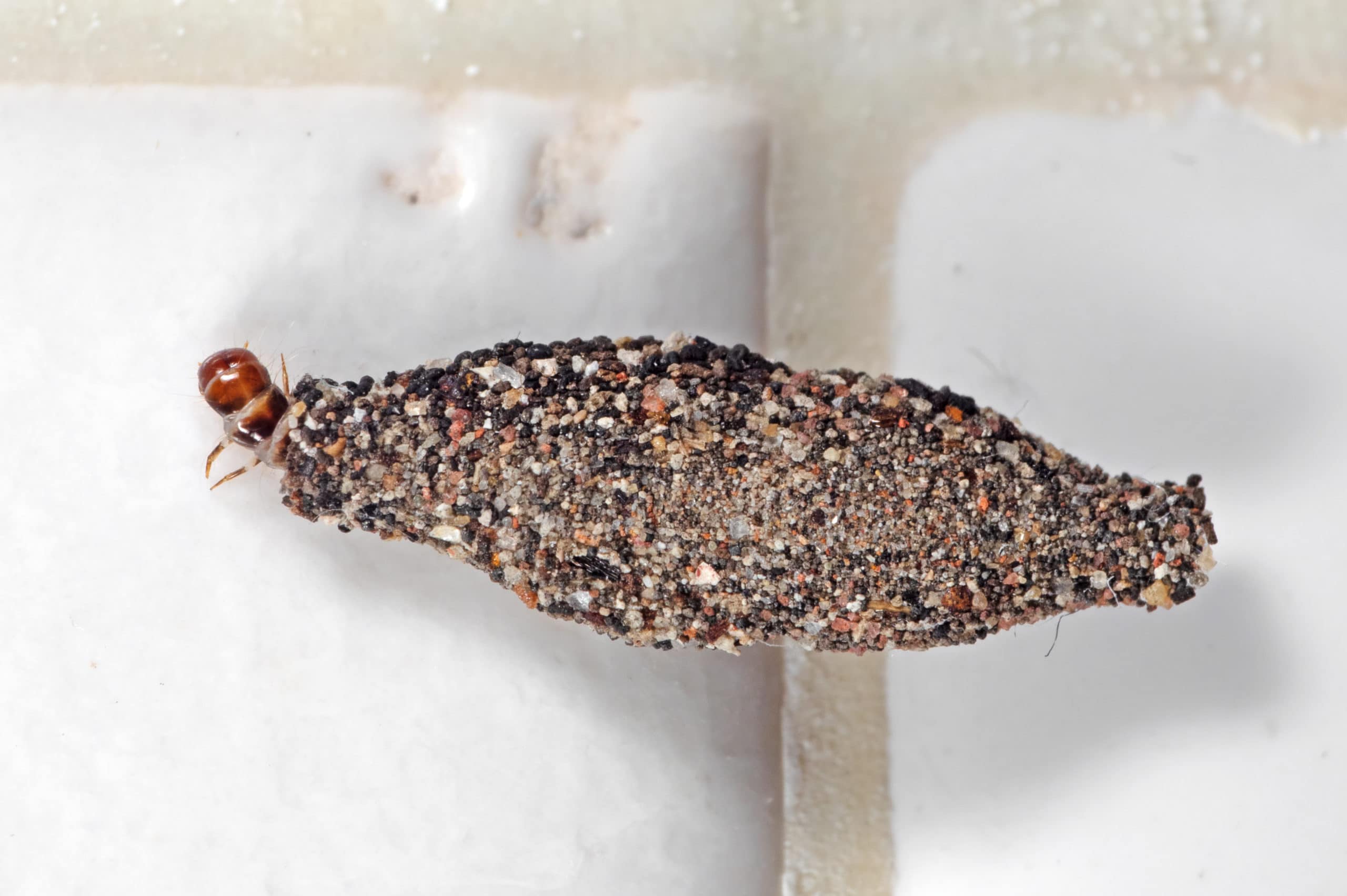
Macro Photography of Case Bearing Clothes Moth on White Wall

Both the Webbing and Casemasking Clothes moths go through complete metamorphosis. That is, there are four stages to their short lives; egg, larvae, pupa, and adult. 

When eggs are laid by either Clothing moth species, the gestation period is four to ten days. This time frame can change drastically, depending on the temperature they are laid in. In the winter, they can take several weeks to hatch. 

Casemaking moths will attach themselves to their food source with a silk thread and hang from it. Webbing moths will make cocoons out of silk where the larvae will feed. These cocoons are a definite sign of infestation.

Their development will take one to three months, depending on temperature and availability of food. 

Once an adult, males immediately begin to mate as much as possible. They will only live for about a month. Their female counterparts live just as long and will lay as many as 300 eggs before dying.   

In the event that larvae and eggs are found on clothing, a great DIY option is brushing the larvae off the garment outside in the sunshine. You can also take the step of dry cleaning items not damaged. 

Preventing Clothes Moths and Protecting Your Closet

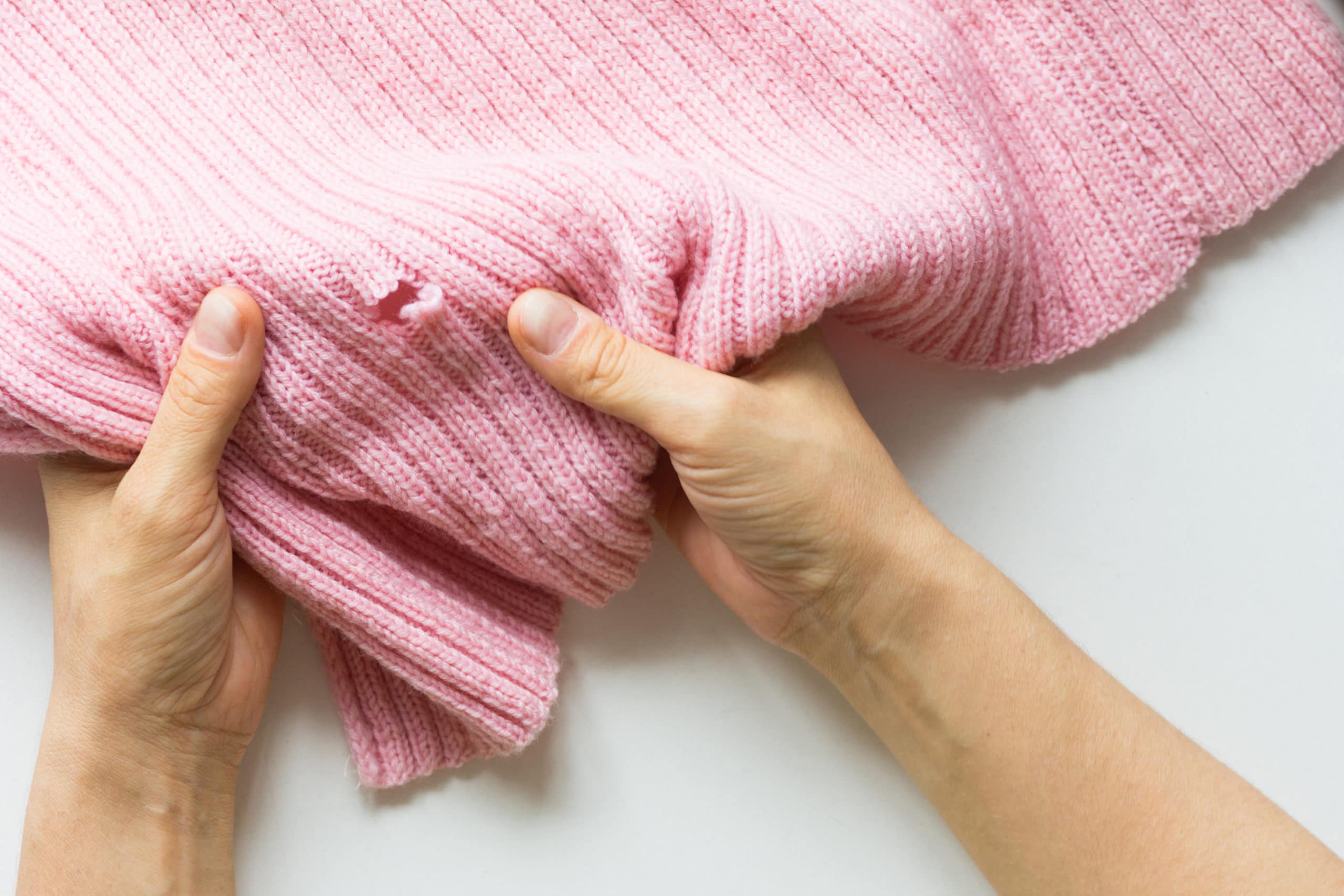
Woman hands holding the knitted thing with hole made by a clothes moth

As with any pests large or small, prevention is the key to avoid infestation. However, prevention isn’t often thought of until the first holes are seen, and the moths are gone. 

Clothing moths love to be in dark and warm places, just like the backs of our closets. Mostly because the clothes are left alone, there is no light, and it is not cleaned regularly. Sometimes even clothing kept in garment bags.

Cloth garment bags are not the best idea because clothing moths will eat through them to get the clothing in it. 

The ideal maintenance plan would be moving unused garments every so often and letting light in as well. Clothing moths of either species are not keen on light or movement. This will help prevent them from sticking around.

It is also strongly suggested that the closet said garments are stored in should be deep cleaned and vacuumed periodically.

Clothes that are vintage or are not to be worn again should be placed plastic sealed containers. Vacuum sealed bags are also an excellent storage option that provides excellent protection and is a space saver as well.   

Moth-balls are also a common defense, but should only be used as a last resort as they are potentially toxic. If moth-balls are used, directions should be strictly followed. 

With good old fashioned cleaning and vigilance, clothing moths can be kept at bay. If you want true peace of mind, however, be sure to call Environmental Pest Management for a free consultation today.

They are well versed in both the eradication and prevention of clothing moths and any other unwelcome pests. Don’t let your most valued wardrobe pieces be destroyed.

Are Pests the Reason for Your Seasonal Allergies?

do pests contribute to allergies

Do pests contribute to seasonal allergies? Although often overlooked, pests can trigger allergy symptoms. There are ways to lessen these irritants ranging from itchy, watery eyes to difficulties in respiration. 

Unfortunately, children are often most affected by these symptoms.

Whether in or out of your home, allergens cause coughing, runny nose, with itchy and watery eyes. In the worst cases, the allergens present can eventually trigger asthmatic symptoms as well. 

Indoor allergen triggers include but are not limited to household pests, dust, and mold, to name a few. There may be others as well. 

A trigger that may get overlooked is household pests. Examples of these pests include but are not limited to ants, bees, cockroaches, and dust mites. They are small and often go unseen if their presence is unseen. 

When you are ready to lower allergic reactions and asthma attacks, call Environmental Pest Management to discuss their assistance in reducing pest allergens no matter what time of year.  

do pests contribute to allergies

How do household pets contribute to allergens?

Do pests contribute to seasonal allergies? If you are one of the over 50 million Americans who suffer from seasonal allergies, this is an important question. Mainly if you can prevent triggering your symptoms. 

What are these triggers? Outside triggers include but are not limited to mold, pollen, and grass. They will cause sneezing, coughing, and even respiratory distress that can lead to asthma.

Coming inside may not offer you and your family relief—dust and dander trigger allergies. Just as with outdoor allergies, they cause itchy watery eyes, coughing, and sneezing. 

Sadly, children are most susceptible to triggers that we live around. 

Indoor allergens can initiate symptoms such as coughing, sneezing, and watery eyes. Sufferers may also find themselves wheezing and having trouble breathing. 

What are dust and dander?

Cockroaches and dust mites are the main contributors to dust and dander. Their saliva, droppings, and casings go into the air, causing dander that absolutely will trigger allergens and asthma if left unchecked over time. Dander contributes to itchy eyes.

Cockroaches prefer warm and moist areas. They also tend to nest where there is unattended food and waste available.

Dust mites are pests who feast on human and pet dander. Dander comprised of dead skin from both humans and animals is what is in our homes. They are also experts in pulling moisture from the air for nourishment.

These pests often tend to nest where they can find the most nourishment. An example of this would be in a bed where human skin regularly sloughs off and collects over time. 

So do household pests contribute to seasonal allergies?

According to the National Pest Management Association, the dander and waste of common household pests do indeed contribute. 

What can I do about pests and allergies

There are daily steps you can take to keep pests at bay. They may seem little but will go a long way in pest prevention. These include: 

  • food is stored correctly 
  • daily cleaning 
  • vigilantly keeping trash and waste contained

Even with maximum effort, one cannot receive peace of mind merely cleaning, especially if there are children or people with asthma symptoms in your home.

The most effective plan is to have a professional come to look at your home. The education and peace of mind provided is priceless. It is also an investment in the ease of allergy symptoms. 

Who do you call? 

If you live in the greater Minnesota area or the Twin Cities, then Environmental Pest Management is a great choice. They have been serving the area since 1986 almost 40 years of serving this community faithfully.

They not only treat homes but restaurants, hospitals, and other businesses. Their priority is to be safe and use the best methods possible for each environment they enter. Their pest solution plan leaves the environment better for all. 

The clients’ safety, health and environment are all taken into consideration to plan the best system for each case. 

No matter the client, a thorough walk through the site will be completed. Afterward an efficient and effective plan is composed. A system that respects the environment, your family and the client are set into action.  

Environmentally aware

When possible, the technicians at Environmental Pest Management will opt for non-chemical treatments. It is humane and better all-around for pets and humans, whether you are a business, hospital or a home. 

A considerable amount of effort and consideration goes into creating a plan for service after the consultation. If a chemical system can be used and is best, then it will be executed.

do pests contribute to allergies

They mean business

The dedication to service does not end at what treatments will be executed. They truly invest in the education and experience of their technicians. They are investing in licensing and training.  

Any technician working for Environmental Pest Management must be trained as a journeyman for two years before being classified as a master. The training arms them with the most updated knowledge and experience to draw on.

This gained knowledge and experience make them confident in using the best treatment that will have the longest-lasting success. 

Environmental Pest Management is a long-term member of both the National Pest Management Association and the Minnesota Pest Management Association. 

These affiliations provide accountability and access to the best minds in the industry. These memberships offer newer treatments and breakthroughs in pest management and more knowledge in the pest management field. 

The Next Step

The best thing you can do to protect your family from indoor allergy triggers is to call Environmental Pest Management for pest control services. Allow them to help you to improve allergy and asthmatic symptoms your family may face.

Environmental Pest Management has served the greater Minnesota area and the people in it for nearly 40 years. They are located in Burnsville, MN. 

In conclusion, household pests do contribute to allergens in your home. They may even cause an asthmatic trigger. The best course of action is to call Environmental Pest Management today.

A Dog’s Least Favorite Friend…Fleas

fleas

Approximately one-third of Minnesota’s households have a canine in residence, is yours one of these dog-friendly homes? If it is, your veterinarian probably warned you about your dog’s least favorite friend… Fleas. 

But your pup shouldn’t be the only one in the house dreading these invaders. The entire family can be affected. Let’s take a closer look at fleas, and see how they compare to similar bugs, like mosquitoes, ticks, and bed bugs.

fleas

What are fleas?

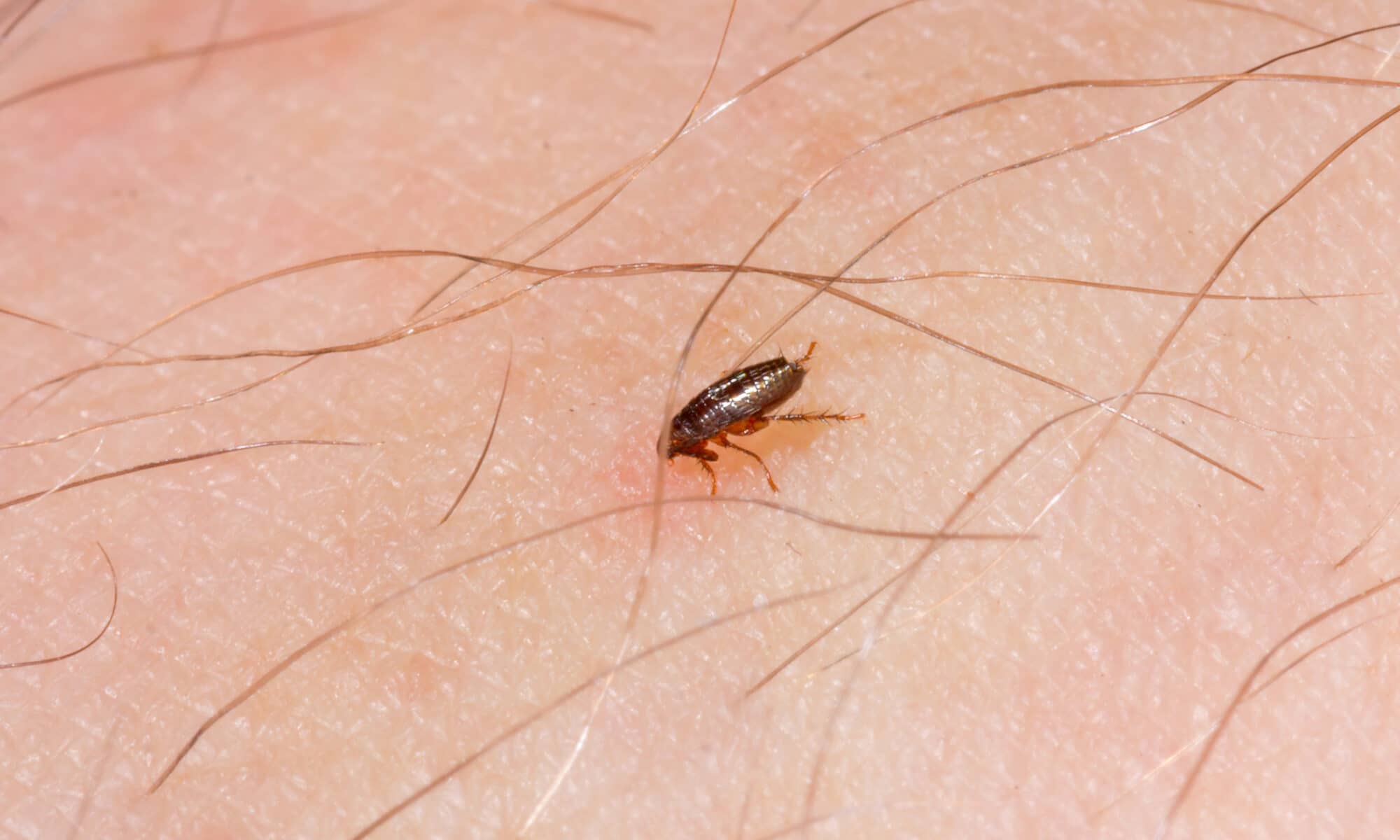
Fleas are tiny, non-flying insects. They’re often not any more substantial than the tip of a pen. They are generally brown or black. 

Much like bed bugs, ticks, and mosquitoes, fleas feed on blood. They often invade your home or business via a pet or rodent, and they don’t like to stay on furry animals. They can also feed on humans. 

In comparing these “blood-sucking” bugs, we can look at their physical attributes to set them apart. Mosquitoes are the only insects in this group of “biters” that fly, so they’re the only ones with wings. 

Fleas are generally flat with a tough shell. The shells are so hard that you may need to smash them between two fingernails or hard surfaces to squish. Bed bugs are generally reddish-brown in color and more round. Ticks come in a variety of shapes and colors but are usually flat until they fill as they feed.

Flea bites are often found in groupings on the skin. They appear as small, red, raised bites. You may also see a halo around the bumps. 

These bites will look much the same on your dog as they do on your skin, but they can be tougher to see on your dog because of the hair. A quick comb through your dog’s hair will give you a better look if there are fleas.

Since fleas don’t fly, they get from place to place, or more accurately from body to body, by jumping. If an infestation in your home or business gets terrible enough, you may even see fleas jumping on furniture or the carpet! 

Before it gets that bad, though, reach out to Environmental Pest Management for a free quote today to get rid of these pests.

fleas on dog

If a flea bites you, can you catch any diseases?

While flea bites are red and very itchy, catching a disease from a flea bite is very unlikely. However, bacteria can become a source of infection in and around the bite itself. 

The best way to prevent these types of infections is to not scratch at the bites. Of course, that’s easier said than done since the bites can get very, very itchy. 

If you have flea bites, the best thing to do is wash the area with cool water and soap. Hot water can aggravate the itchiness. If you are very itchy or think you may be allergic, you can take a dose of Benadryl to help.

If it’s been a few days and your bites aren’t healing or are getting worse, the best thing to do would be to see a doctor, as you may have a bacterial infection in the area and need antibiotics.

Are fleas a big problem in the Minneapolis area?

Definitely! 

Statistically, your dog will probably have fleas at least once while they’re in your home. 

Your dog may pick up fleas from other animals, from pet facilities, or the outdoors. Fleas are most prevalent in wooded or tall grass areas, but could be found anywhere – even in your backyard!

While fleas can be found year-round, they are most common during warmer months. Here in Minnesota, fleas are generally the most active April through November.

Tell-tale signs of fleas on your dog or in your home or business include:

  • Little dots, like spots of pepper, on your dog’s skin. These are flea droppings.
  • Bites on your dog’s skin or your own, usually in groupings. These will be VERY itchy.
  • Black or brown “spots” on socks when you walk across the floor in your home or business. If you look closer, you’ll see these spots are fleas.

Can you prevent fleas?

There are a few things you can do to prevent a flea infestation in your home or business:

  • Keep your lawn mowed to prevent taller grass and more breeding grounds for these little insects to hop onto your dog.
  • Talk to your veterinarian about a flea collar or topical flea treatment that s/he recommends for your dog type.

If you suspect your dog has fleas or have already found some in your dog’s hair:

  • Vacuum your home or office thoroughly – including the upholstered items.
  • Steam-clean carpets, rugs, and any upholstery that you can.
  • Wash your pet with soap and water. 

While these steps will help contain an infestation once you’ve found fleas, they are practically impossible to get rid of without pesticide treatment. However, treating a home or business isn’t something that one should tackle on their own. 

fleas

Which is worse – Bed bugs vs. fleas? Mosquitoes vs. fleas?

Both bed bug bites and flea bites display as a cluster of small dots on your skin. Mosquito bites are generally larger and usually aren’t clustered together.

Those clustered bites aren’t often found in the same spots on your body, either. 

On humans, bed bugs often bite on the top half of the body, whereas fleas usually feast on the bottom half of the body. 

You have proof of an invasion; now what?

Fleas are very tough to get rid of and can multiply very quickly. It’s close to impossible to get rid of an infestation without pesticides. You would do best to call the professionals instead of trying to take this on yourself.

If you’re in the greater Twin Cities area and you’ve been noticing these clustered bites on your dog’s skin or your own, reach out to Environmental Pest Management for a free quote. End the cycle of itching and irritation for you and your pet. 

What is a Carpenter Bee?

the tropical carpenter bee, Xylocopa latipes, sits on wood, macro view

When most people think of bees, they think of honey bees, or perhaps bumble bees. But have you ever seen a carpenter bee?

There are, surprisingly, over 16,000 species of bees in the world. These species are divided into seven families of bees. Many of these bees, like honey bees, live in colonies that can grow quite large.

However, some species of bees, like the carpenter bee, live alone. If you have seen a lone bee that seems extremely large flying around, it might be a carpenter bee.

At Environmental Pest Management we take care of any bugs or creatures that are pestering you. Call us today for a free quote and start the process of getting your home pest-free.

carpenter bee

What is a Carpenter Bee?

A carpenter bee gets its name from the fact that it burrows and lives in the wood, similar to termites. Carpenter bees will tunnel into the wood, either on your house, deck, or outdoor furniture.

Carpenter bees, though they may be a nuisance, are vital pollinators. They help farmers immensely by pollinating a wide variety of plants. We should do what we can to help bees.

Many people who have seen a carpenter bee flying around notice that they are large. However, they actually come in two sizes. The large carpenter bees are Xylocopa, and the small carpenter bees are Ceratina.

The larger species, Xylocopa, are the ones associated with damage to homes and buildings. 

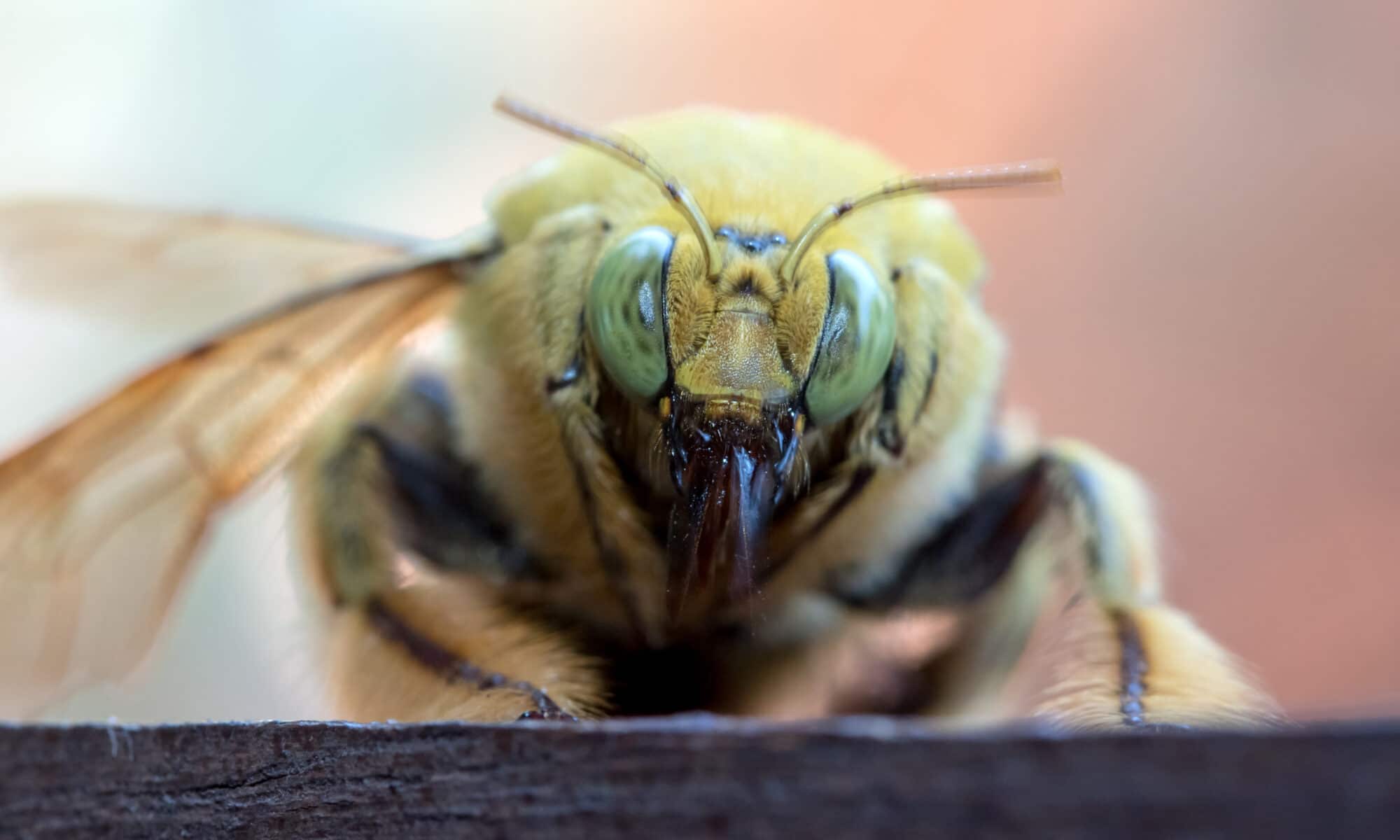
Larger carpenter bees can range in size from one-half inch to one inch long. If you didn’t know better, you might see a large carpenter bee and think it is a bumblebee. However, large carpenter bees have less hair than bumblebees.

Small carpenter bees are around one-quarter of an inch long. Both large and small carpenter bees have metallic coloring on their bodies with some body hair on their legs and abdomen. The males will have some yellow sections as well.

Carpenter bees tunnel through wood but do not eat it. Just like most other species of bees  they eat pollen and nectar.

Galleries

For large carpenter bees to make their galleries or homes, bees undergo a long and very intensive process. Many female carpenter bees choose to inhabit a nest that has already been built because of the work required. Carpenter bees can add a foot or two of a new tunnel each year.

The design of carpenter bee galleries is remarkably similar. A female will create an entrance that is about ½ of an inch wide then bore straight into the wood for one or two inches. Then, she will make a right and create a tunnel from four to eight inches.

From this tunnel, she will create different rooms or cells in rows. She will then lay an egg with a food ball and block the chamber with wood pulp; the female will then die. Her eggs will hatch and feed on the food left for them and grow.

Small carpenter bees prefer branches and twigs for their nests, rather than homes or furniture. However, they do tunnel and create rooms for eggs similar to large carpenter bees.

Life Cycle

There are four stages in a bee’s life. They begin life as an egg, hatch into a larva, grow into a pupa, then become an adult.  Depending on location and climate, how fast they progress through these stages varies.

New adults will leave their nest in April or May and feed on pollen and nectar throughout the spring and summer. When the weather gets cold, they will return to their gallery for the winter. 

Interestingly, some smaller carpenter bees can reproduce without a male.

a Carpenter bee drill acacia tree branch making the nest.

Are Carpenter Bees Dangerous?

Large carpenter bees look scary. They are large, hover around decks and homes, and make a lot of noise. Females do have a stinger but typically only sting when they feel threatened or have been provoked. There are very few instances of female carpenter bees stinging humans.

Males may seem more aggressive but do not have a stinger. They dart around defending a nest from pests or other bugs. 

The biggest threat with carpenter bees is that they tunnel or burrow into wood for their galleries. They prefer plain, unfinished wood. However, their galleries can become quite large and eventually can affect the integrity of your home or furniture.

Large carpenter bees will choose doors, windowsills, railings, decks, poles, roof eaves, shingles, fences, or outdoor furniture for their home.

A female carpenter bee (Xylocopa sp.) chewing into underside of table to excavate tunnel for laying her eggs.

How to Get Rid of Carpenter Bees

There are a few things to look for if you think you might have a carpenter bee problem. 

  • The Carpenter Bee Itself. Carpenter bees are quite large and they are hard to miss as they fly around the outside of your home. In the late spring and summer you will see them coming in and out with regularity.
  • Gallery Opening. This one-half inch opening is about the size of their body.
  • Sawdust. Sawdust will fall out of their gallery as they are boring new tunnels. Check for a small pile near a small opening.
  • Plant Residue or Poop. You might notice a yellow coloring from pollen or nectar left around the hole as well as brownish coloring from their feces.

Thankfully, carpenter bees are solitary. If you have one  you can rest easy knowing there isn’t a large colony to deal with.

Carpenter bees prefer plain wood free of paint, stain, or finish. In many cases, a simple coat of paint or stain will keep them away. If you notice these bees around your deck or patio furniture, an afternoon or weekend of painting will likely solve the problem.

However, if they have chosen the wood on your home for their gallery, the process of getting rid of carpenter bees is a bit more complicated. 

Make sure to keep your doors and windows closed, especially during the spring and summer months to deter carpenter bees. Examine the outside of your home and seal or caulk any gaps or openings you find.

Xylocopa violacea, the violet carpenter bee on white fabaceae flowers

Call Environmental Pest Management Today

The best thing you can do if you see a carpenter bee is to call a professional. At Environmental Pest Management, we will come to your home and give you a free quote before any work is done. We use environmentally friendly and safe products, so you don’t have to worry about your family.

Call Environmental Pest Management today.