Environmental Pest Management

11975 Portland Ave, Suite 126 , Burnsville, MN 55337

Working Hours
Mon - Fri 8:00a to 4:00p

Call us
952-432-2221

Stink Bugs or Boxelder Bugs: Is There a Difference?

Boxelder Bugs

Dropping temperatures and less daylight in winter keep humans indoors where it’s nice, warm and cozy. Do you know what else likes to hunker down inside for the winter? Insects. In particular, stink and boxelder bugs will seek shelter and forage for food. Your home looks like the best place to find both, so they move in.

If you’re concerned you may have boxelder bugs or a stink bug infestation in your home, check out the information below for what you can do about it. For additional help, contact Environmental Pest Management for questions and tips, and to bug-proof your home for the next round.

Boxelder Bugs and Stink Bugs

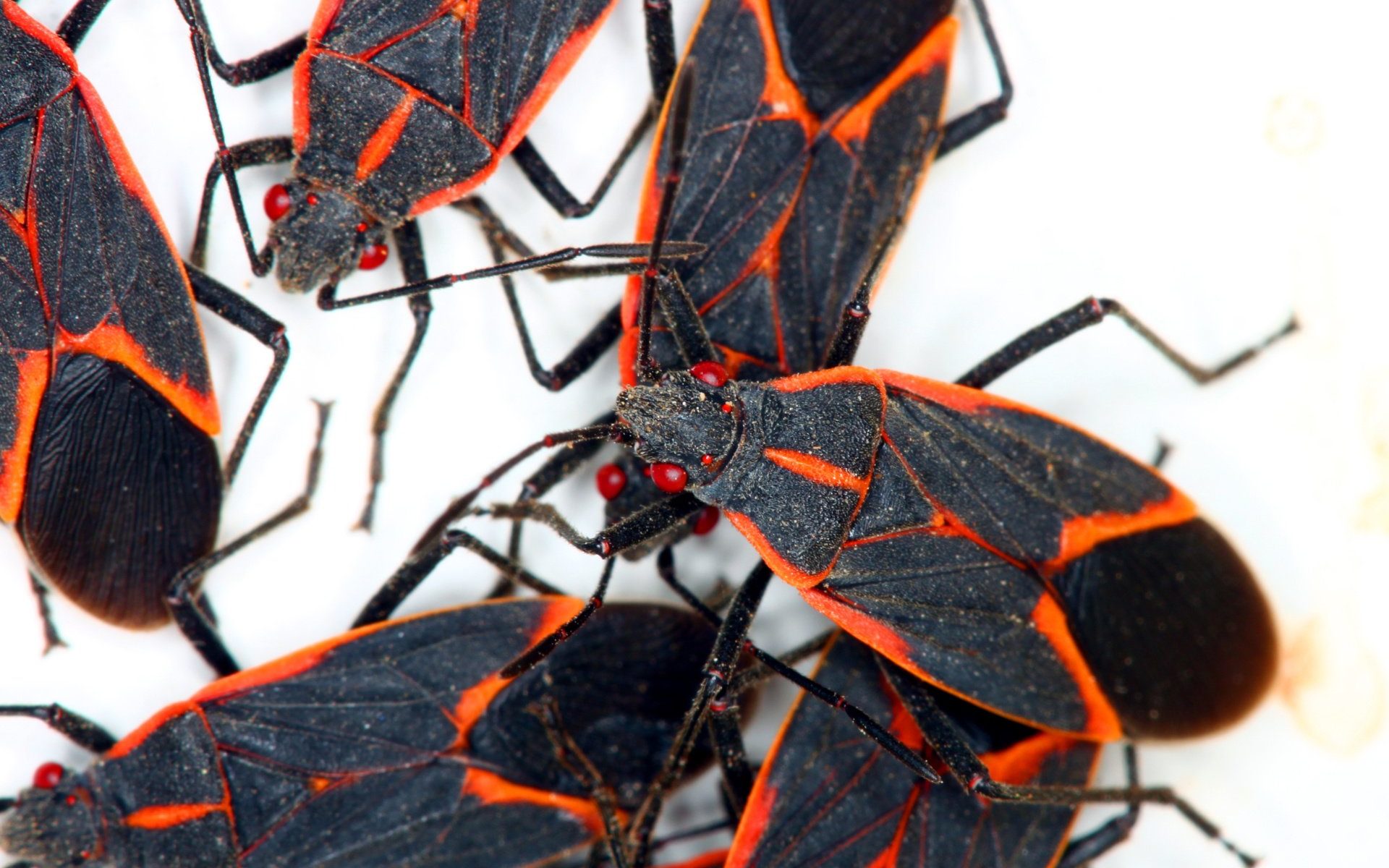
Boxelder bugs are known as the “scentless plant bugs.” They have flattened oval-shaped bodies, flat backs, and they can be either brown or black. With six legs, antennae, and red colored stripes on their heads and wings, these insects are rather small, at approximately ½ inch long.

They tend to feed, develop, and lay their eggs on boxelder trees, which is where they get their name, but they can also be found around maple trees. In the wintertime, they need a place to hibernate and prepare for their busy springtime, which is why they find your home so attractive.

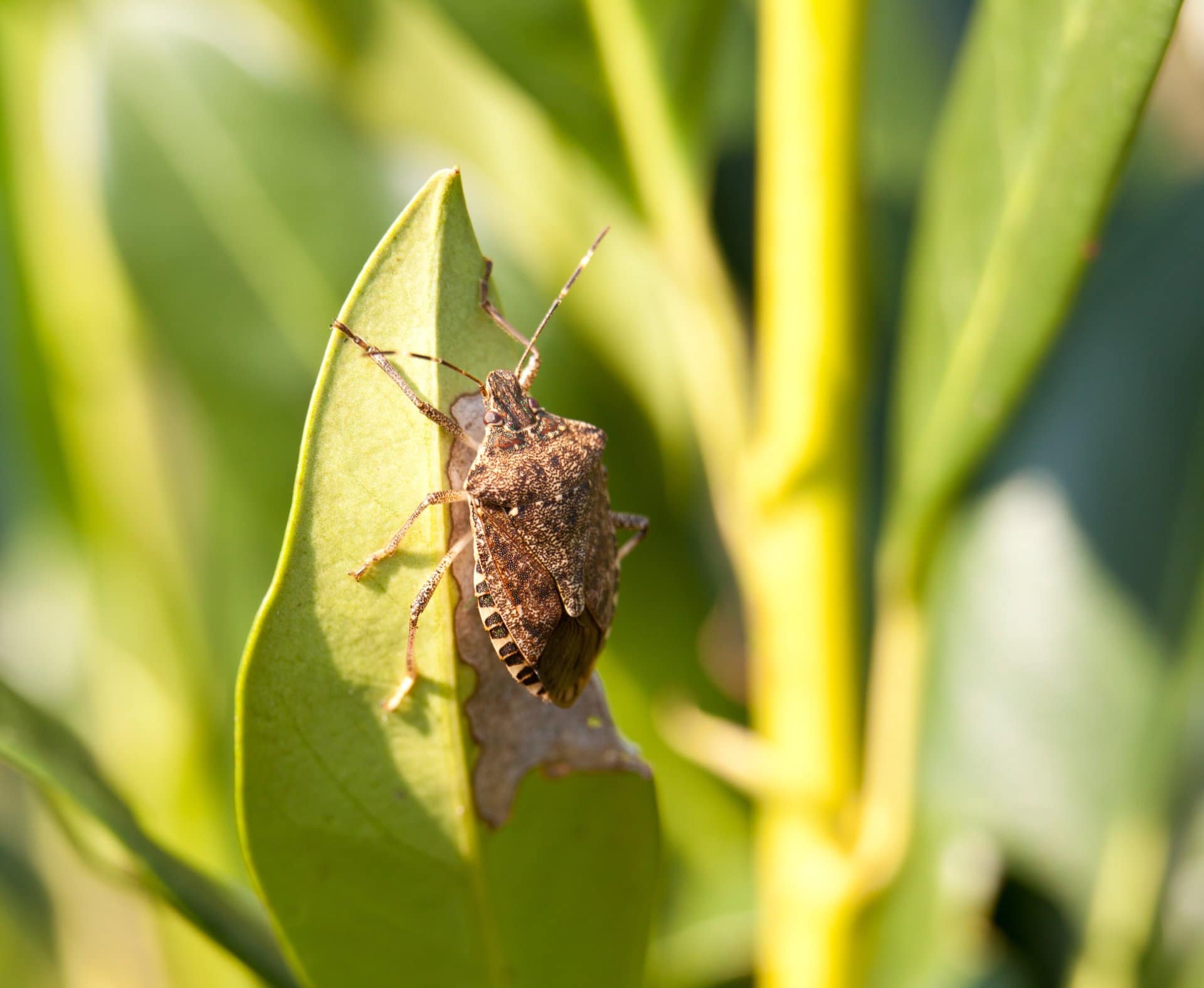
Stink bugs are slightly longer than boxelder bugs. They are wider-bodied, and their back is commonly described as resembling a shield. They come in a variety of brown shades with off-white, gray, black, blueish, and bronze markings. Their infamous stink glands are on the underside of their midsection between their first and second pair of legs. Don’t smash these guys on sight! That’s how their pungent odor gets released.

A stink bug infestation can become a very severe issue. Recently, over 26,000 stink bugs were found overwintering in a home, and many states have reported that their stink bug populations are increasing. Female stink bugs lay up to 400 eggs in their lifetime, and they take only 35 to 45 days to mature, with their lifetime spanning from several months to a full year. As you can see, you can go from zero to 400 stink bugs in your house within a single winter!
Boxelder Bugs Minnesota

How They Enter Your Home

These bugs most often migrate to your home seeking warmth, shelter, and food during the fall, and then settle into winter. During these seasons, they can be commonly be found in your house, garage or shed. They navigate their way inside through your siding, attic soffits, weep vents, nooks and crannies in your walls, under doors, and in your foundation. Homes that have overgrown bushes or trees with nearby overhanging branches are at a higher risk for boxelder and stink bug infestations. These branches create a bridge between their summer home and your winter accommodations.

Also Read: 8 Steps to Bug Proof Your Home for Fall and Winter

Neither boxelder bugs nor stink bugs bite or are particularly harmful to humans. However, they can be detrimental to your houseplants, and their excreta might damage upholstery such as drapes, carpeting, and cushions. Stink bugs not only release an offensive odor when they are squashed, but they also do so when they are threatened.

Boxelder or stink bug infestations are mainly great nuisances that can be avoided with care and the right steps.
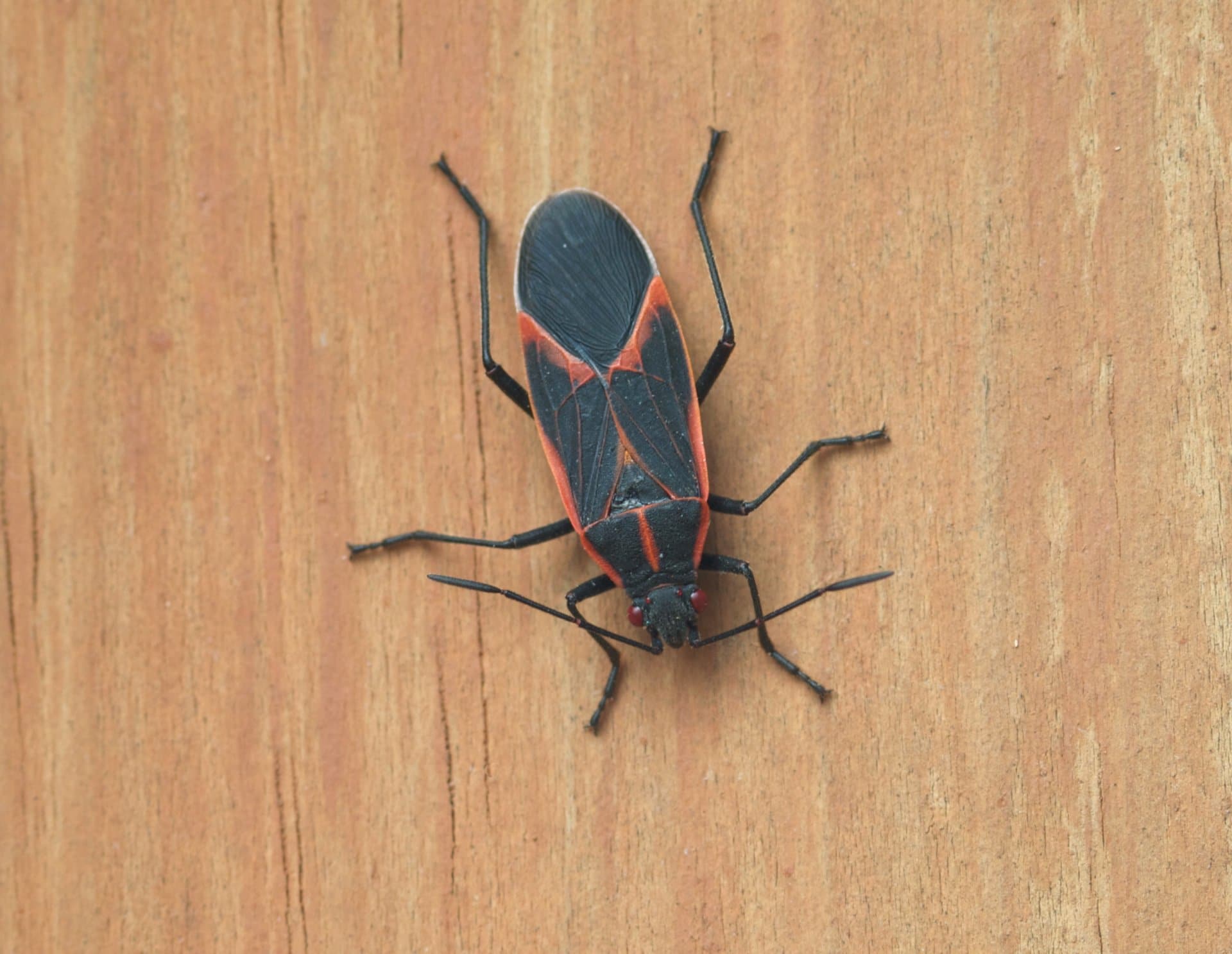
Boxelder Bugs Minnesota

Prevention and Removal Methods

The most successful prevention method against boxelder and stink bugs is to have your home insect-proofed before fall and winter. If you didn’t take care of this, don’t stress. Here is what you can do if you are suffering from a boxelder or stink bug infestation.

  • Vacuum any visible bugs
  • Place light traps with glue boards near entry points, such as the attic
  • Dust attic soffits with a non-toxic insecticide, such as CimeXa
  • Install screens in windows, or repair and replace them as necessary
  • Install weatherstripping and door sweeps, or check current ones to be sure they are in good condition
  • Seal any breaches in your foundation
  • Remove, seal, or replace cover plates on electrical outlets, switch boxes, heating ducts and return air vents
  • Remove light fixtures to their base plate; seal edges and replace
  • Trim overgrown bushes, shrubbery, and overhanging trees
  • Remove any boxelder trees from your property

If you have only a couple of these bugs floating around your home, you may hardly even notice them. However, when there is one, there could be many, and their populations can quickly escalate. Due to the particularly awful odor stink bugs release, the minor damage they can do to your plants and upholstery, and the general nuisance they are, you do not want these critters inside your walls.

Also Read: Secret Bug Breeding Grounds in Your Home This Winter

Take care not to kill boxelder and stink bugs and leave their bodies inside your walls or attic. Doing so creates the risk of attracting dermestid beetles, who will feed on the bug carcasses. This will only add to the ongoing bug infestation! Instead, use a vacuum to remove the bugs, and then empty the container or dispose of the vacuum bag immediately.

Net for bugs

Let Us Help

Environmental Pest Management has been serving east-central Minnesota, including the Twin Cities’ greater ten-county metro area and surrounding suburbs for more than thirty years. We are experts in our field, and we are dedicated to eliminating your pest problems so you and your family can enjoy the best quality of life.

We will help you with our Integrated Pest Management procedure. This step-by-step system of evaluating, determining, and resolving a pest problem works by creating the most logical, safe, and long-term solution for your home. In this procedure, we use a variety of preventative methods to minimize the use of unnecessary pesticides and chemicals in or around your home.

Don’t wait for your bug problem to get out of hand. Check our site more information us and our methods, and contact us today to start finding the right solution for you.
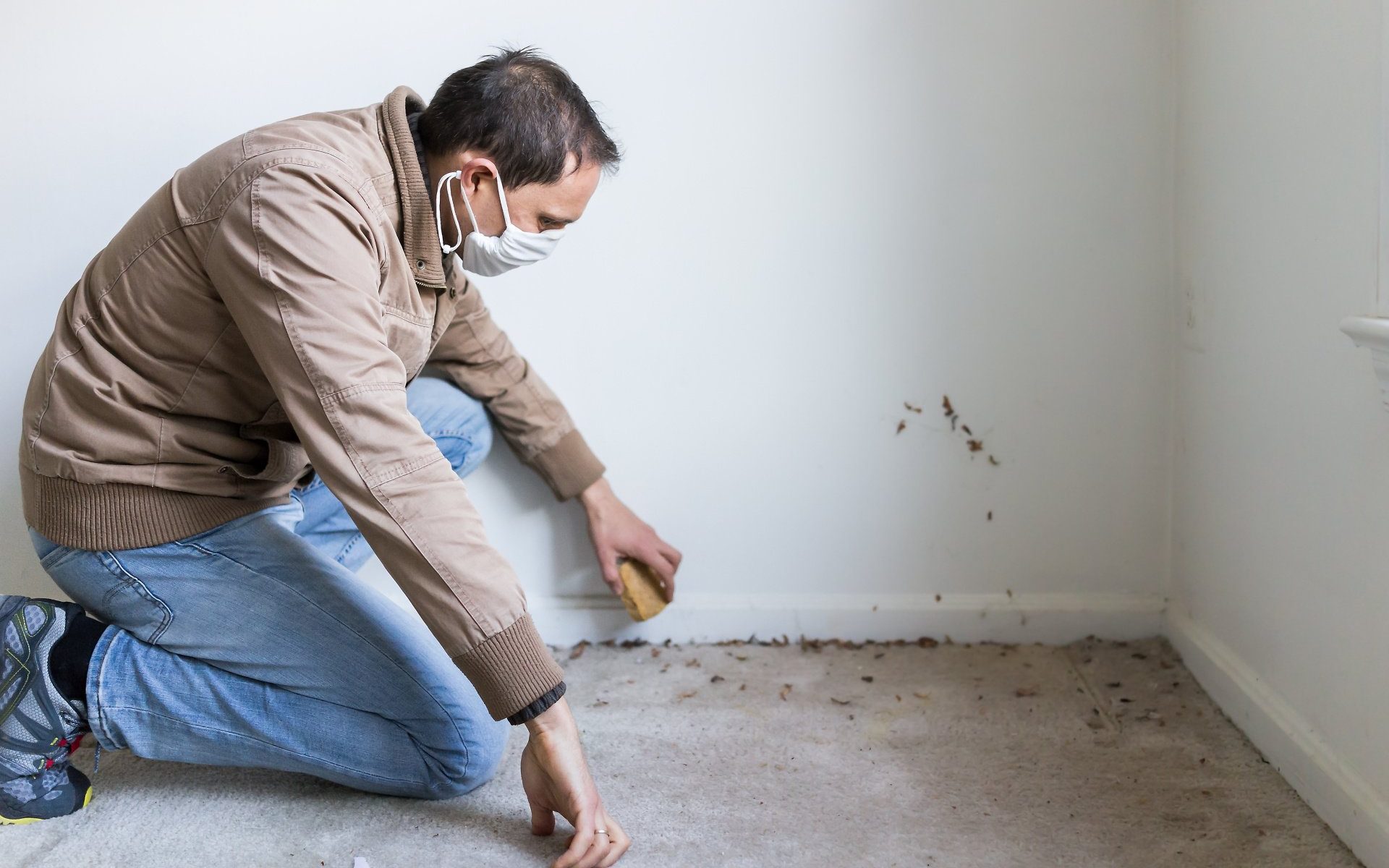
Secret Bug Breeding Grounds in Your Home This Winter

bugs

Keeping bugs at bay in the winter starts with eliminating breeding grounds inside your home. Environmental Pest Management created your go-to guide to scope out these areas.

Bugs can be a nuisance, as well as creepy, crawly, and just plain yucky. While bugs might be fascinating outside, no one wants insects inside their home. These pests aren’t just annoying or gross. They can also cause damage to your home, food supply, or clothes.

Winter is often a time when insects move into your toasty warm home and take up residence. When it’s cold and wet outside, your home provides a fantastic place for bugs to spend the winter.

If bugs have made their way into your home and you’re not sure what to do, you can rely on Environmental Pest Management to safely remove the insects and prevent them from returning. We are here to create a plan to keep your home pest-free by evaluating both the inside and outside areas.

You might be wondering what type of bugs might be in your home during the winter, and where they come from. Bedbugs, house gnats, drain flies, and more can be lurking in your home due to breeding grounds you didn’t even know existed in your house.

Learning where and why bugs might be lurking in your house is the first step toward preventing and removing them. There are particular areas in your home that bugs can hide and set up bug nurseries. Pay attention to these places, so that you can eliminate the creepy crawlies along with their breeding grounds.

Check Your Drains

You might think those tiny pesky swarming insects in your kitchen are fruit flies. While fruit flies are a common pest, you may be mistaking fruit flies for drain flies. Drain flies congregate in dark and damp areas, such as drains, where they breed and lay eggs.

These obnoxious bugs are tiny moth-like critters that can exacerbate asthma and fly into ears and eyes. Check any shower or sink drains in your home if you encounter a drain fly. The best way to see if drain flies are in a particular drain is to apply tape over the top of the drain overnight and see if any flies are stuck on the tape in the morning.

Once you identify the source of the drain flies, you can take the necessary steps to eliminate them.

Removing Drain Flies

To eliminate drain flies, start by cleaning your drains. Flush the drain with two to four quarts of water, and then use a pipe brush to loosen any sludge in the drain. Use a gel drain cleaner to finish cleaning the drain out. Follow these steps by flushing the drain with more warm water, ensuring any sludge is gone.

Keeping your drains thoroughly clean and removing any stagnant water accumulating in your home will help prevent future infestations of drain flies.

Also Read: 8 Steps to Bug Proof Your Home for Fall and Winter

Sink

Check Your Potted Plants

You might also find that winter brings swarming gnats to your kitchen and bathroom. These annoying little flying bugs are a nuisance as you wave them away from your face while trying to relax in your home.

House gnats often breed in potted plants as the moist soil makes a nice home. House gnats need moisture to reproduce, so the bathroom is another great hang-out for these guys. Your drains, grout, or sink can be a breeding ground for house gnats.

Removing Gnats

Eliminating gnats begins with removing excess moisture in your home that the gnats need to reproduce. Clean up any moisture collecting in drains or surfaces and ensure that you are not over-watering potted plants. Check your plant trays for any standing water.

Keeping your bathroom and kitchen drains free from build-up is imperative to preventing house gnats.

bugs

Check Your Bedding

Another horrible insect that can show up in your home during the winter months is the dreaded bed bug. Bed bugs love your warm and cozy home and especially your thicker pajamas and bedding that you tend to use in the winter.

Bed bugs can hibernate when temperatures get too cold, but once in your warm and comfortable bed, they will wake up, breed and set up their homes. These parasites are often hard to find and catch, so they tend to go unnoticed for quite some time.

Bed bugs can hide inside your mattress, in the cracks between the headboard and mattress, under the covers, or even in nearby carpet or furniture. When it’s time for you to go to bed, it’s time for them to feed. Bed bugs are sneaky, and it can be challenging to identify an infestation.

To inspect for bed bugs, look for tiny brown or blood-colored stains in your sheets, pajamas, or furniture, small bites on your body, and shed skins as the bugs grow from larvae to adults. They are quite tiny, so using a magnifying glass will assist with your inspection.

Also Read: Natural Bug Repellents For Bug-Free BBQs

Removing Bed Bugs

Eradicating bed bugs can be tough due to their evasive nature. They tend to hide in cracks, crevices, furniture, window sills, and other hard-to-find places. It is very easy to miss one of their hiding spots, which leads to continued infestation.

When it comes to removing bed bugs from your home, using a professional service is the best way to ensure they are completed eradicated.

Bed Bugs

Environmental Pest Management Can Help!

If you are dealing with unwanted pests this winter, Environmental Pest Management can help get your home insect-free. Whether you have nasty gnats or creepy, sneaky bed bugs, we can locate and eliminate insects in your home and prevent them from returning.

With our commitment to safe pest removal processes and exceptional customer service, you can rely on us to get the job done. Don’t let pesky bugs take over your cozy home this winter. Contact us today to develop a plan to keep your home bug-free all year long.

Enjoy the warmth and comfort of your home this winter and don’t let bugs take over. Environmental Pest Management has the experience and skills to keep your house safely pest-free. Count on us to solve your pest problems, whatever they may be.

Got Gnats? How to Get Rid of Fungus Gnats

fly

Fungus Gnats are small, mostly harmless, bugs that tend to show up in homes in the mid-winter months. Even though these bugs are not dangerous, they are annoying and unsightly. Our team at Environmental Pest Management has had lots of experience ridding homes of pests and we created an easy guide to these critters and how to get rid of them.

If you’re an avid gardener and love your flowers and houseplants as much as you love your pets, you will want to know about fungus gnat larvae and how to kill gnats. Fungus gnats are a minor houseplant pest that is most noticeable as swarms flying around your home and plants.

They are generally harmless to humans, although they are certainly infuriating if they are flying around your face, eyes, and ears. However, they can be devastating for your plants. Here at Environmental Pest Management, we have collected some info about fungus gnats and some tips to eliminate and prevent gnat infestations.

What Are Fungus Gnats

Fungus gnats are tiny, fruit fly-sized insects that are between 1/16 and â…› of an inch in length, making them very difficult to see until they are swarmed. They have grayish-black bodies and transparent wings, although they typically stay close to the ground and plant soil. Fungus gnat larvae are hairless and legless with transparent bodies and black-colored heads.

Their life cycle only spans a couple of weeks, but they can cause a lot of damage to your houseplants in that time. Your houseplant is their habitat and food source. At the rate that they breed, the damage can be cumulative and continuous.

Typically found in areas with high humidity or in overwatered houseplants, fungus gnats make their home in the moist soil. Adults lay eggs (up to 200 or more at a time) on the organic matter near the soil surface. Within three days, fungus gnat larvae hatch. The larvae then dig down into the soil to feed on other plant material, fungi, and your plant’s roots and root hairs before resurfacing as adults and repeating the process.

Also Read: Secret Bug Breeding Grounds in Your Home This Winter

Plants

Fungus Gnat Damage

These insects do not bite, nor do they spread disease to humans like some other pests. However, they can be extremely harmful and even fatal to your beloved houseplants. Because the fungus gnat larvae feed on the organic material and roots in the soil, they will stunt your plant’s growth. If the roots suffer extensive damage, the plant will begin to wilt and then die.

Fungus gnat larvae also can carry plant pathogens which can disease a mature plant and kill your seedlings. If the lower leaves turn yellow and drop, or new buds are delayed or stunted in their development, it’s a good sign that you have fungus gnats.

Besides causing damage to your houseplants, fungus gnat infestations can be an extreme nuisance in your home, workplace, or any indoor space. They are not strong fliers, but they will swarm around the plant and near drainage holes.

Plants that fungus gnats most commonly infest and feed on are:

  • African Violets
  • Alfalfa
  • Carnation
  • Clover
  • Corn
  • Cucumbers
  • Easter Lilies
  • Geraniums
  • Lettuce
  • Nasturtium
  • Peace Lilies
  • Peppers
  • Poinsettias
  • Potatoes
  • Spider Plants
  • Soybeans
  • Wandering Jew
  • Wheat

Plants

Fungus Gnat Elimination

So how do you get rid of these pesky critters? Consistency and traps are the best methods for how to kill gnats. At the speed which fungus gnats reproduce, it’s essential to replace traps frequently. There are several types of traps you can choose:

Sticky CardsPurchasable at your local houseware or garden store, these yellow note cards are covered in a sticky adhesive that traps gnats when they land on it. Gnats are said to be attracted to the color yellow, luring them to your trap. For best results, cut some into small squares and litter them on top of the soil or place them on skewers around the plant. Replace them regularly.

Cider Vinegar Traps

You can make these traps right at home! Use a small container to mix equal amounts of water and apple cider vinegar. Add a little bit of liquid dish soap, then stir. Place the container either on top of the plant soil or near the base of the pot. Keep an eye on it and replace the liquid as needed.

Diatomaceous Earth

Diatomaceous earth is a soft, crumbly, organic powder made from the fossil remains of diatoms. It’s available at home and gardening centers and is a natural and safe bug-killer.

Apply by dusting it onto dry soil only and scatter it around the inner edges of your pot and at the plant base. DE (diatomaceous earth) will stick to the gnats inhabiting your plant and dehydrate and paralyze them.

Avoid getting the soil of the plant wet after you have applied DE. If the powder becomes wet, it will dissolve and become useless. To keep the powder from getting wet, we recommend watering the plant from the pot bottom.

Fly Paper

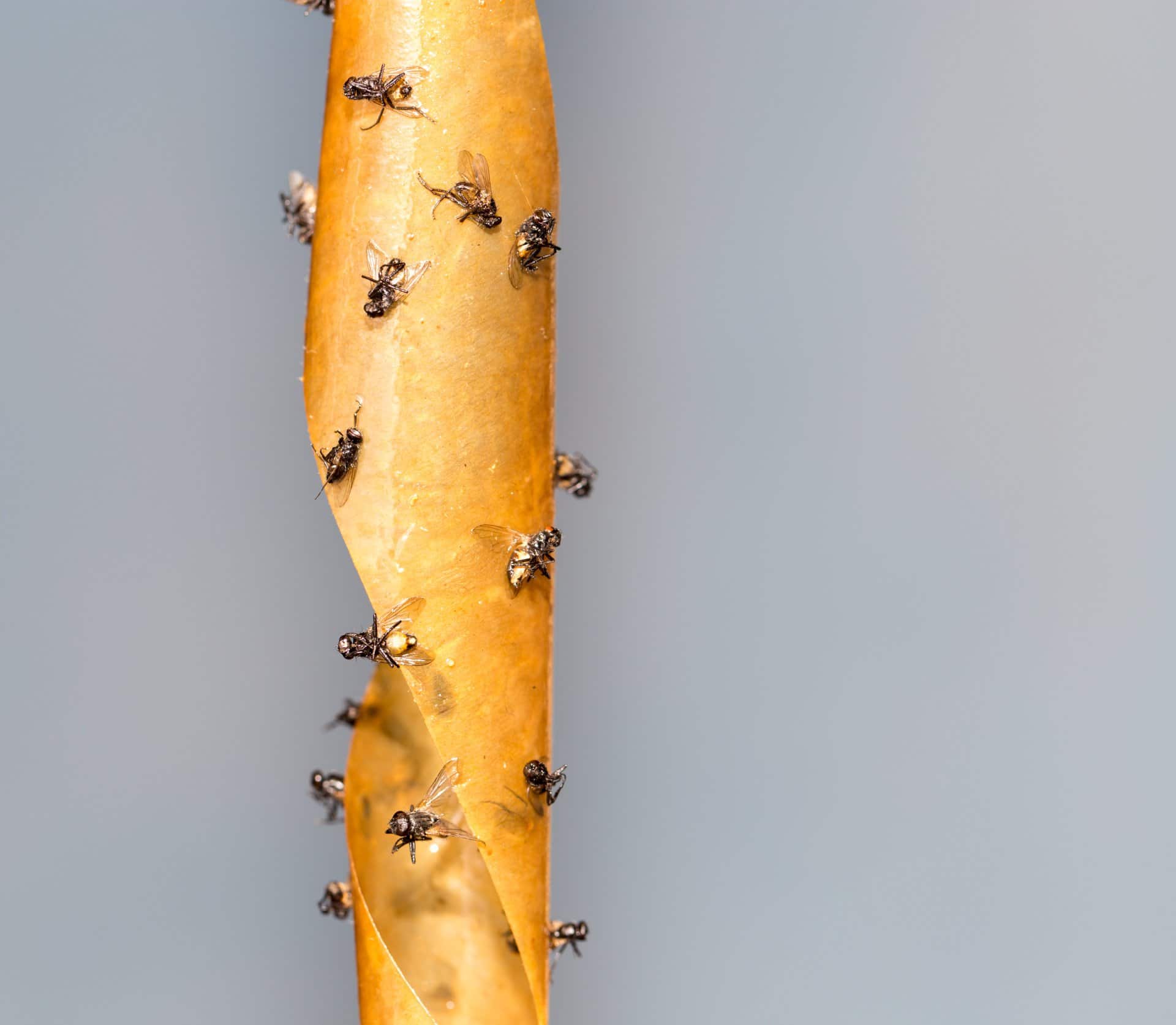
Long, ribbon-like paper covered in a sticky, insect-catching adhesive is another surefire way to trap gnats. Farmers commonly use flypaper, but it might not be the prettiest wall fixture in your house. However, if But, if swarms of fungus gnats plague you, flypaper is certain to do the job.

BT Thuricide Spray

Environmental Pest Management often recommends an easy to use spray called BT Thuricide. This spray contains a microbe that kills the larvae of a fungus gnat which in turn eliminates the problem before it can grow.

This pesticide is safe for beneficial animals such as birds or honeybees and safe for use on food gardens so you can use it both indoor and outdoor up until the day of harvest.

Also Read:  Natural Home Remedies to Get Rid of Ants

fly

How To Prevent Fungus Gnats

There are a couple of things you can do to keep fungus gnats from invading your home and infesting your indoor plants. These tips will also help prevent a gnat population from reappearing after you’ve eliminated them.

  • Maintain drier soil by watering less frequently, especially in winter
  • Use mosquito dunks
  • Layer your indoor plants’ topsoil with sand

Be consistent with maintaining your traps and prevention methods. The problem is already out of hand if there are swarms of fungus gnats flying around your home. Your plant may be suffering from a gnat infestation even without swarms, so it is essential to examine your plants for signs of gnats and continue pest control.

Get Expert Assistance

If you’re struggling with fungus gnats, let Environmental Pest Management help you take care of your pest problems. We use environmentally friendly methods to get rid of unwanted critters, no matter how small. Contact us today, and one of our friendly staff members will help you right away. Before long, the gnats in your home will be nothing more than a memory.

Squirrels in Your Home Driving You Nuts This Winter?

squirrels

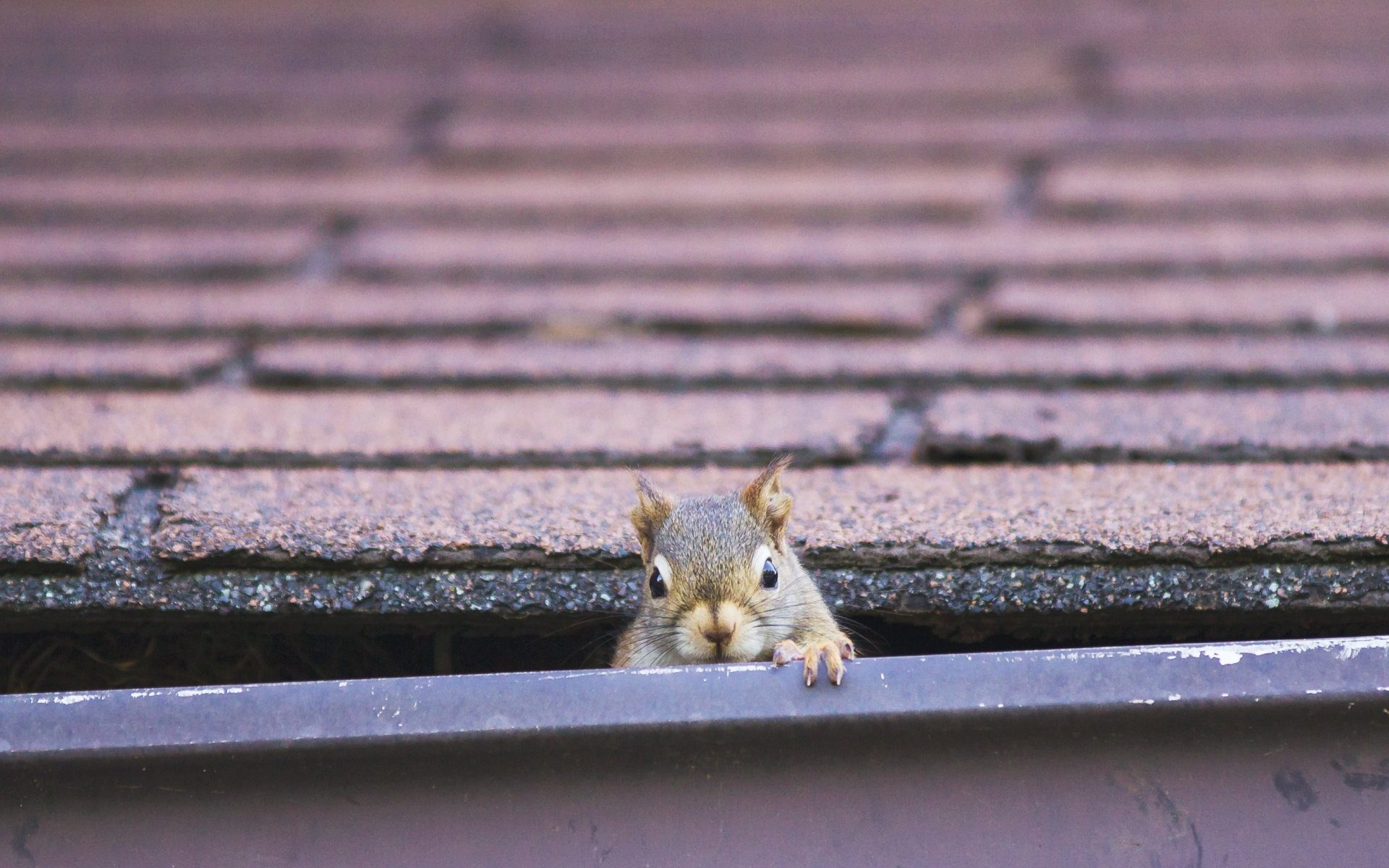
You may have been seeing, or even hearing, signs of squirrels in your walls, attic, or basement this winter. Why do these furry little creatures turn in to home invaders in the cold and how do you get rid of them? Environmental Pest Management can help.

Can you hear that? That scampering sound! It sounds like it’s coming from the attic! If this is a scene from your own home, you might want to consider the possibility that you have a squirrel or two, or perhaps even more, taking up residence for the winter in your attic or walls.

No homeowner enjoys dealing with any pest in their home, let alone a squirrel. While you might think that squirrels are cute and harmless, these fuzzy critters can cause damage to your home.

If you have squirrels enjoying a winter vacation in your warm and cozy home, it is time to call Environmental Pest Management to remove the squirrels and prevent them from coming back. Whether removing squirrels from your attic or making recommendations to keep them out, you are in good hands with Environmental Pest Management. You can also trust that our methods are safe for your family, pets, and the planet.

Preventing Squirrels From Coming in the House

Winterizing your home is a great way to jumpstart your critter control plan. Ensuring windows and doors seal properly, and that there are no cracks or holes in the exterior of your home will help prevent any pest from getting inside.

Evaluating your home for any issues that might allow squirrels to infiltrate your home is an excellent way to prepare for winter and prevent all sorts of unwanted pests. If you need help assessing your situation or developing a plan to keep pests out, Environmental Pest Management will be happy to help you protect your home.

Winterizing your home is your best defense against pests entering your home during the cold winter months.

Also Read: Winterizing Your Home Against Rodents

squirrels

Why Are There Squirrels in The House?

When you discover squirrels in your home, you might wonder how they got there and why. The cold weather prompts squirrels and other small animals to seek warmth and shelter, so your house quickly becomes a haven. If you have not adequately winterized your home for critter control, you may be looking at a squirrely situation.

Squirrels can enter your attic, garage, or other areas of your home through cracks or holes in your walls or loose roofing. They can also come through your chimney. Regardless of how they enter, once they are in, they can cause extensive amounts of damage.

Gnawing on cords, cables, or wires, or shredding insulation, these nuisances can quickly destroy areas of your home, and even create fire hazards. Their feces and urine can also create quite a disgusting mess. They can build nests in your walls and create burrows that can potentially allow other pests to enter your home. All in all, a squirrel infestation will not be an enjoyable experience, and the resulting damage can be very frustrating.

Also Read: Proven Ways to Treat a Centipede Infestation

Squirrel Dangers and Diseases

The Center for Disease Control and Prevention notes a few diseases that squirrels carry, and a few of them are dangerous to humans. These include ringworm, plague, typhus, and tularemia. These diseases are transmitted through bites or another direct contact with infected animals. Though it is possible for squirrels to get rabies, this is very uncommon.

The parasites squirrels carry are also a threat to your family and your home. Squirrels living in or near homes can pass ticks, mites, and fleas onto both you, your children, and your pets. These parasites can carry Lyme Disease, Rocky Mountain Spotted Fever, or the virus that causes a type of encephalitis. If your home has become a haven for squirrels, it may also be a breeding ground for other pests that they carry with them.

squirrels

Squirrel Removal

If squirrels manage to find a way to get inside your home, you will need to remove them to prevent any damage to your home, potential fire hazards, and any health risks the squirrels may pose to you and your family.

There are some techniques you can try on your own to remove the squirrels, including using live traps or blocking the holes where they enter and exit their nesting area. However, the best way to be sure you effectively remove the squirrels is to enlist the help of professionals.

Environmental Pest Management will assess the situation, identify entry points to the home, and locate squirrel nesting areas. After our assessment, we will make a plan to remove unwanted guests from your home. Letting us handle the exclusion, removal, and prevention keeps you and your family out of harm’s way and reduces the amount of damage the squirrels can cause. And by trusting someone who has experience outwitting these resilient critters, you can have confidence that the squirrels are gone for good.

Let The Professionals Keep You From Going Nuts

Environmental Pest Management is available to help you with your squirrel infestation and prevention with quality service, experience, and a commitment to environmentally safe pest control.

If squirrels are driving you nuts this winter, and you aren’t sure where to turn, let Environmental Pest Management take care of the problem. Contact us today for a free inspection and to learn what we can do to remove pests from your home and keep them from coming back. We will evaluate both the inside and outside of your home and provide you with a customized plan and individualized service.

Leaving squirrel removal to Environmental Pest Management is your safest and smartest option. Keeping your home and family safe is your main priority, and we share that commitment to safety through a pest-free home and non-toxic solutions.

Whether you are dealing with a squirrel invasion or any other type of pests, such as spiders, rodents, bees, or termites, we are prepared to handle all of your critter control needs.

Don’t go nuts this winter, leave the squirrels to us and let us keep your home pest-free.

Sneaky Ways Bugs Get Into Your House This Winter

Bugs

The cold winter months turn bugs in to master home invaders. We put together a guide to all the ways these pests may creep in to your homes.

It’s getting cold outside, which means bugs are trying to get inside. Your house is warm and dry – everything that they can’t find outside.

If you already have noticed bugs inside, a professional pest control service like Environmental Pest Management can ensure the bugs are taken care of and make sure they don’t find their way back.

So, how do bugs get into your house? And what do you do once they have found their way into your home? Here at Environmental Pest Management, we’ve developed some helpful hints to keep bugs outside or to get them back out if they are already in your home.

Palm Tree

What Bugs To Look For?

While many bugs live in the area, the most common bugs people deal with in winter are Indian Meal Moths and Carpet Beetles. Both of these bugs are annoying, but leave different signs of their presence.

Indian Meal Moths are commonly found in kitchens and pantries. These moths feed on grain and cereal products. They love to hang out in pantries more than any other bugs found on stored food. Indian Meal Moths cause most of the food industry’s pest problems.

Carpet Beetles, on the other hand, prefer to eat food that is animal-based, such as materials like silk and leather. They also commonly eat wool, fur, and hair. Because of their food preferences, they like carpets, furniture, pillows, blankets, and clothing. Typically, Carpet Beetles are not attracted to synthetic materials, unless there is oil, food, or sweat on them.

Carpet Beetles can survive inside or outside. But females prefer to lay their eggs where there is easy access to a food source. These nests are commonly inside.

Both Indian Meal Moths and Carpet Beetles can enter homes through open doors or windows. They can also be carried in unintentionally with plants, packages, or groceries.

Also Read: Proven Ways to Treat a Centipede Infestation

Bugs

Where to Look for Bugs

Because Indian Meal Moths prefer to eat grains typically stored in cabinets or pantries, that is the first place to look for them. You will see webs near their food source. However, their nests will be in a more remote area. More importantly, they are nocturnal, meaning you will only see them at night. They fly in a zig-zag motion. They are tiny with a wingspan of only a quarter-inch.

Carpet Beetles are exceptionally hard to notice because of where and how they like to feed. Both mature and immature beetles prefer to eat in the dark, in areas that go undisturbed for more extended periods, such as under furniture or in the back of closets. Often, it is hard to identify a population until it has grown large and become difficult to eradicate.

Bug

How to Winterize Your Home

The first step to preventing bugs from entering your home this winter is to seal all the openings bugs might use. Any opening a pest sees whether it is a crack, crevice, or opening so small you think it won’t matter, can be an opportunity for a critter to crawl inside your home.

Examine doors and windows first. Check them carefully and replace weatherstripping that might have degraded over the year. Adjust doors and windows until there is a tight fit.

Find each location where utility lines enter your house, whether gas, water, phone, or others. Ensure there are no holes or gaps at these points. Any holes in these areas will undoubtedly attract pests because of the warmth that will be escaping. A good can of spray foam insulation or a caulking gun with waterproof caulk will be your friend.

Next, check for cracks in your ceilings. Flying bugs aren’t the only pests that can get in through the roof. Rodents and crawling bugs have been known to climb the wall to find a way to a warm spot. Either turn off the lights and look for light coming through a crack or light a candle and look for where the smoke is drafting. Use high-quality caulk, or other durable material, to seal these cracks.

Also Read: Should Carpenter Ants Be On Your Radar This Spring?

You can purchase screens for your chimney or wood stove from local hardware stores. Look for a sturdy screen that will not be easily bitten through. Pests love to use these large openings for entry into a warm, winter paradise.

Take steps to ensure there are no good habitats for pests near your home. Store firewood a safe distance from your house, preferably 20 feet. Clear away all piles of rocks, shrubbery, or debris near your home. You don’t want anything that could be a decent shelter for rodents or bugs close to your home.

Keeping your kitchen clean is a must to keep bugs out. If pests have easy access to food, they will do whatever they can to get inside. Keep your counters, stove, fridge, and floor clear of spilled food and crumbs. In particular, keep your drain clean by pouring a bleach solution down the drain every week. Keep food in well-sealed packaging and off the floor.

Excess moisture is also a draw for pests to enter your home. Ensure that areas like your attic, basement, or garage have no leaking pipes and no gaps where moisture can enter. Consider investing in TAP Insulation, a thermal, acoustical, pest control product made of recycled paper that helps keep your home pest-free.

Bug

What to do if You Find Bugs?

If you have found bugs or other pests into your house already, don’t fear! Environmental Pest Management is here to help. We have the experience you need at the prices you want. Our friendly staff wants to solve your pest problems in a safe way that lasts.

At Environmental Pest Management, we will safely remove bugs from your home in an environmentally safe and wallet-friendly way. We will locate and identify the bugs, find out how they got into your home and then safely remove them. You won’t have to see another Indian Meal Moth or Carpet Beetle this winter!