In a Minnesota commercial property, pest issues rarely stay small for long. A few flies near a loading dock, scratching sounds in a wall, or ant activity in a breakroom can quickly turn into tenant complaints, failed inspections, damaged inventory, and reputational headaches. And in 2026, the stakes are even higher. Businesses are expected to protect health, maintain clean facilities, document service, and respond fast when problems appear.
That’s why commercial pest control in Minnesota isn’t just a maintenance line item. It’s part of risk management, customer experience, and daily operations. Whether you manage an office building, retail center, warehouse, healthcare facility, restaurant, school, or multi-housing property, you need a provider that does more than spray and leave. You need responsive service, discreet technicians, clear documentation, and a prevention plan built around your property’s real-world risks.
This guide breaks down what to look for in a commercial exterminator, the pest pressures common across Minnesota properties, and how proactive pest management helps you protect your reputation, stay compliant, and keep your operations running smoothly.
Why Commercial Pest Control Matters For Minnesota Businesses

If you own or manage commercial property, pest control affects more than cleanliness. It touches nearly every part of your operation.
A visible pest problem can undermine trust fast. Tenants notice. Employees talk. Customers post reviews. Inspectors document violations. In food handling, healthcare, hospitality, and housing environments, even a minor issue can create outsized consequences.
Proactive business pest control in Minnesota helps you stay ahead of those problems instead of reacting once the damage is done. That matters for four big reasons:
- Reputation: A single rodent sighting or cockroach complaint can shape how people view your business.
- Tenant satisfaction: In office, retail, and multi-unit properties, unresolved pest issues often become lease-renewal issues.
- Compliance: Many industries need documented inspections, service records, and corrective actions.
- Operations: Pests can contaminate product, damage wiring, interrupt workflows, and trigger emergency service calls.
Minnesota adds its own layer of complexity. Seasonal swings drive pest movement. Rodents push indoors during colder months. Spring and summer can increase fly, ant, and occasional invader activity. Warehouses and loading areas deal with different pressures than apartment buildings or food facilities. That’s why a generic approach usually falls short.
The right commercial pest control provider helps you identify entry points, sanitation gaps, harborage areas, and operational patterns that make your property vulnerable. More importantly, they give you a plan to reduce those vulnerabilities over time.
And that’s the key difference. Good commercial pest control doesn’t just treat pests. It helps you manage risk.
Common Pest Problems In Minnesota Commercial Properties
Commercial properties in Minnesota face a mix of structural, seasonal, and industry-specific pest pressures. Some infestations build quietly behind walls or above ceilings. Others show up in the most public-facing parts of your building, which is exactly where you don’t want them.
Rodents, Cockroaches, Ants, And Flies
These are among the most common and disruptive pests in commercial settings.
Rodents are a major concern in warehouses, restaurants, offices, retail spaces, and multi-housing buildings. Mice can enter through surprisingly small openings, nest in insulation or storage areas, and contaminate surfaces with droppings and urine. Rats are less subtle and often create more obvious damage, including gnawing on wiring and structural materials.
Cockroaches are especially problematic because they’re resilient, fast-breeding, and closely associated with sanitation concerns. In kitchens, breakrooms, janitorial closets, and shared residential buildings, they can spread allergens and trigger serious complaints from staff, tenants, and residents.
Ants seem minor until they aren’t. In commercial settings, they often signal moisture issues, food access, or structural gaps. Pavement ants, odorous house ants, and carpenter ants can all become issues depending on the property type and season.
Flies are a major image problem, especially in food service, grocery, hospitality, healthcare, and waste handling areas. They can build up around drains, dumpsters, organic waste, and receiving zones. A few flies in the wrong area can immediately raise questions about sanitation standards.
Seasonal Pressure In Warehouses, Offices, Retail, And Food Facilities
Minnesota’s climate plays a huge role in pest activity.
In fall and winter, rodents start looking for warmth, shelter, and food. Commercial buildings with utility penetrations, dock doors, storage clutter, or older construction become prime targets. Once inside, pests often spread well beyond the point of entry.
In spring and summer, insect pressure rises. Ants become more active. Fly populations grow faster. Exterior conditions such as standing water, landscaping, and dumpster placement can increase pest attraction around the building perimeter.
Different facilities also experience different risk patterns:
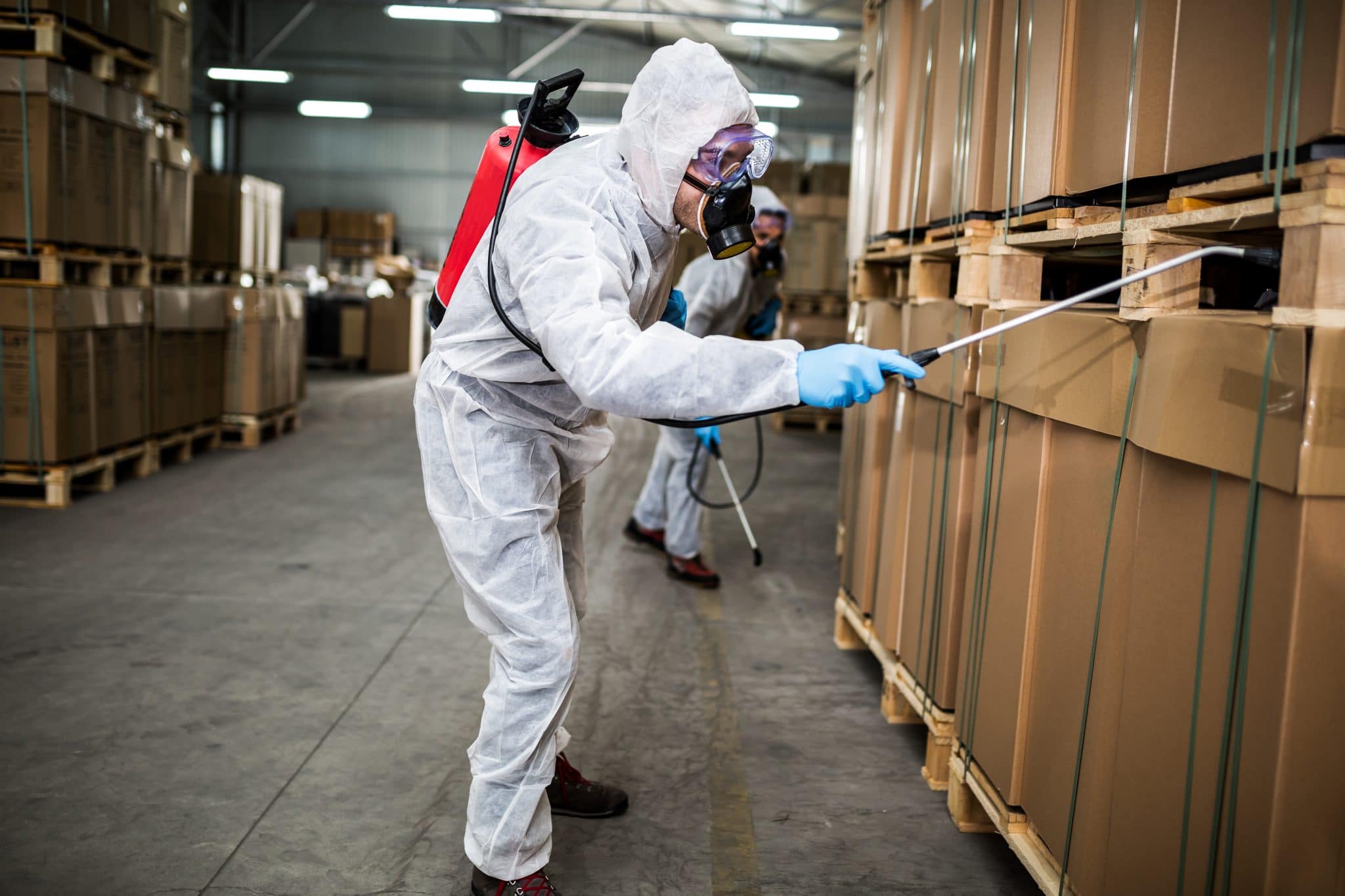
- Warehouses: Loading docks, pallets, stored goods, and infrequent disturbance create ideal hiding areas.
- Offices: Breakrooms, vending areas, trash handling, and shared walls can support recurring pest activity.
- Retail properties: Public visibility is high, so even a small problem can turn into a customer service issue.
- Food facilities: Pest pressure is constant because food, moisture, and harborage are built into the environment.
That’s why effective commercial pest control in Minnesota starts with understanding your property’s layout, use, traffic flow, and seasonal exposure, not just the pest species involved.
What To Look For In A Commercial Exterminator In Minnesota
Not all pest providers are built for commercial work. If you’re comparing vendors, the biggest question isn’t simply whether they can eliminate pests. It’s whether they can support your operational needs before, during, and after service.
A strong commercial exterminator should function like a partner, not just a technician on a route.
Industry Experience, Inspections, And Customized Treatment Plans
Start with industry experience. A provider that understands restaurants may not automatically understand multi-housing. A company that handles residential accounts may not be equipped for complex commercial environments with compliance requirements, tenant communication concerns, or restricted service windows.
Ask whether they’ve worked in properties like yours:
- Office buildings
- Retail centers
- Warehouses and industrial facilities
- Healthcare environments
- Schools and child-sensitive spaces
- Restaurants and food processing areas
- Apartment communities and mixed-use properties
The inspection process matters just as much as experience. You want a provider that looks beyond the immediate complaint and identifies why the issue exists. That means checking likely entry points, conducive conditions, sanitation issues, moisture sources, waste storage, landscaping influences, and structural vulnerabilities.
Then comes the treatment plan. Avoid one-size-fits-all proposals. Your property needs a customized scope based on pest pressure, occupancy patterns, building design, and your tolerance for visibility or disruption. In many commercial settings, discreet service is essential. Technicians should understand when to work around customers, residents, staff, or patients and how to minimize attention while still being thorough.
Documentation, Monitoring, And Preventive Service Programs
For many Minnesota businesses, documentation isn’t optional. It’s part of audit readiness, internal reporting, tenant relations, and regulatory compliance.
A quality facility pest control provider should offer clear records such as:
- Inspection findings
- Service reports
- Pest activity trends
- Monitoring results
- Corrective action recommendations
- Site maps when needed
This documentation helps you prove due diligence and track whether conditions are improving over time. It also makes internal communication much easier, especially if multiple stakeholders are involved in maintenance, operations, food safety, or property management.
Monitoring is another major differentiator. Rather than waiting for complaints, proactive providers use traps, devices, and scheduled inspections to spot activity early. That reduces emergency calls and gives you a clearer view of recurring hotspots.
Finally, ask about preventive service programs. The best business pest control Minnesota providers focus on exclusion, sanitation guidance, follow-up, and seasonal planning. They’re not just there to respond when something goes wrong. They’re there to help make infestations less likely in the first place.
That’s what you should be buying: fewer surprises, better visibility, and a cleaner operational record.
Pest Control Solutions For Property Management And Multi Housing
Property management pest control requires a slightly different approach than single-tenant commercial service. In multi-unit environments, pest issues spread faster, involve more communication, and can quickly affect resident satisfaction.
In apartment buildings, townhome communities, senior housing, and mixed-use developments, one untreated unit can become a building-wide problem. Shared walls, plumbing chases, trash rooms, laundry areas, storage spaces, and frequent move-ins and move-outs all increase risk.
That’s why multi housing pest control should include more than spot treatments. You want a provider that can support:
- Routine inspections of common areas
- Unit-based service protocols
- Vacancy and turnover treatments when needed
- Resident education on sanitation and reporting
- Clear documentation for management teams
- Fast response for sensitive complaints
Discretion matters here too. Residents don’t want to feel like they’re living in a problem property, and your onsite staff doesn’t want routine service creating alarm. A good commercial exterminator knows how to handle access, communication, and treatment scheduling professionally.
For property managers, the value of proactive service is simple: fewer escalations. When pest issues are handled early, you reduce resident frustration, online complaints, staff time spent mediating service calls, and the chance that a localized issue becomes widespread.
If you manage multi-site portfolios, consistency becomes even more important. Standardized reporting, recurring service schedules, and preventive recommendations help you compare conditions across properties and address recurring vulnerabilities before they get expensive.
How Facility Pest Control Programs Reduce Risk And Disruption
A structured facility pest control program does more than control visible pest activity. It helps you reduce business interruptions.
Think about what reactive pest control usually looks like: someone notices droppings, a customer reports flies, a tenant complains about roaches, or an auditor flags an issue. Then everyone scrambles. Maintenance gets pulled in. Managers start documenting. Service is rushed. The issue becomes bigger because it was discovered late.
A preventive program changes that pattern.
With scheduled inspections, monitoring, trend tracking, and corrective recommendations, you can catch early signs before they turn into operational problems. This is especially valuable in facilities where downtime, contamination risk, or public exposure can carry real cost.
A strong facility pest control plan can help you:
- Reduce emergency service calls
- Protect products, equipment, and stored materials
- Support sanitation and maintenance teams
- Minimize tenant or customer complaints
- Keep inspections and audits from becoming fire drills
- Coordinate service around business hours and sensitive areas
This is also where provider responsiveness becomes critical. If you have a pest issue in a loading zone, resident corridor, kitchen area, or customer-facing space, you need fast communication and a realistic action plan. Delayed responses make small issues visible. Visible issues become reputation issues.
The best providers combine urgency with structure. They address the immediate problem, document what happened, explain likely causes, and recommend prevention steps so you’re not dealing with the same call again two weeks later.
That kind of program protects more than the building. It protects the way the building operates.
How To Choose The Right Business Pest Control Minnesota Provider
If you’re narrowing down vendors, don’t choose based on price alone. In commercial environments, the cheapest option often becomes the most expensive once repeat issues, missed documentation, or slow response times start affecting your business.
Instead, evaluate providers on the factors that matter day to day.
Look for a company that offers:
- Responsive communication: Can they answer quickly, schedule promptly, and handle urgent issues without delay?
- Discreet service: Will technicians work professionally in tenant-occupied, customer-facing, or high-sensitivity environments?
- Commercial-specific expertise: Do they understand your industry, not just general pest control?
- Detailed reporting: Will you receive usable documentation, not vague notes?
- Preventive planning: Do they focus on exclusion, monitoring, and long-term reduction of pest pressure?
- Customized scope: Are they tailoring service to your property instead of selling a standard package?
It also helps to ask practical questions during the vetting process:
- How do you handle recurring pest issues?
- What does your inspection process include?
- How quickly can you respond to urgent commercial calls?
- What kind of documentation do you provide?
- How do you support property management pest control or multi-site service needs?
- What preventive recommendations are included between treatments?
A good answer should sound specific, not generic. You want a partner that understands compliance pressure, tenant expectations, and the operational realities of Minnesota commercial properties.
In other words, the right provider makes your job easier. They don’t just kill pests. They help you stay organized, prepared, and ahead of problems.
Conclusion
Commercial pest control in Minnesota is eventually about control in the broader sense: controlling risk, protecting your reputation, supporting tenant satisfaction, and keeping your facility compliant and functional.
Whether you oversee a warehouse, office building, retail property, restaurant, or multi-housing community, the right pest partner should bring more than treatment tools. They should bring responsiveness, discretion, documentation, and a prevention-first mindset tailored to your property.
If you’re evaluating business pest control in Minnesota, focus on providers that understand your industry, communicate clearly, and build programs designed to prevent disruption, not just react to it. That’s the difference between putting out fires and running a cleaner, more resilient operation year-round.