Environmental Pest Management

11975 Portland Ave, Suite 126 , Burnsville, MN 55337

Working Hours
Mon - Fri 8:00a to 4:00p

Call us
952-432-2221

Keep an Eye Out For These 7 Types of Ants in Minnesota

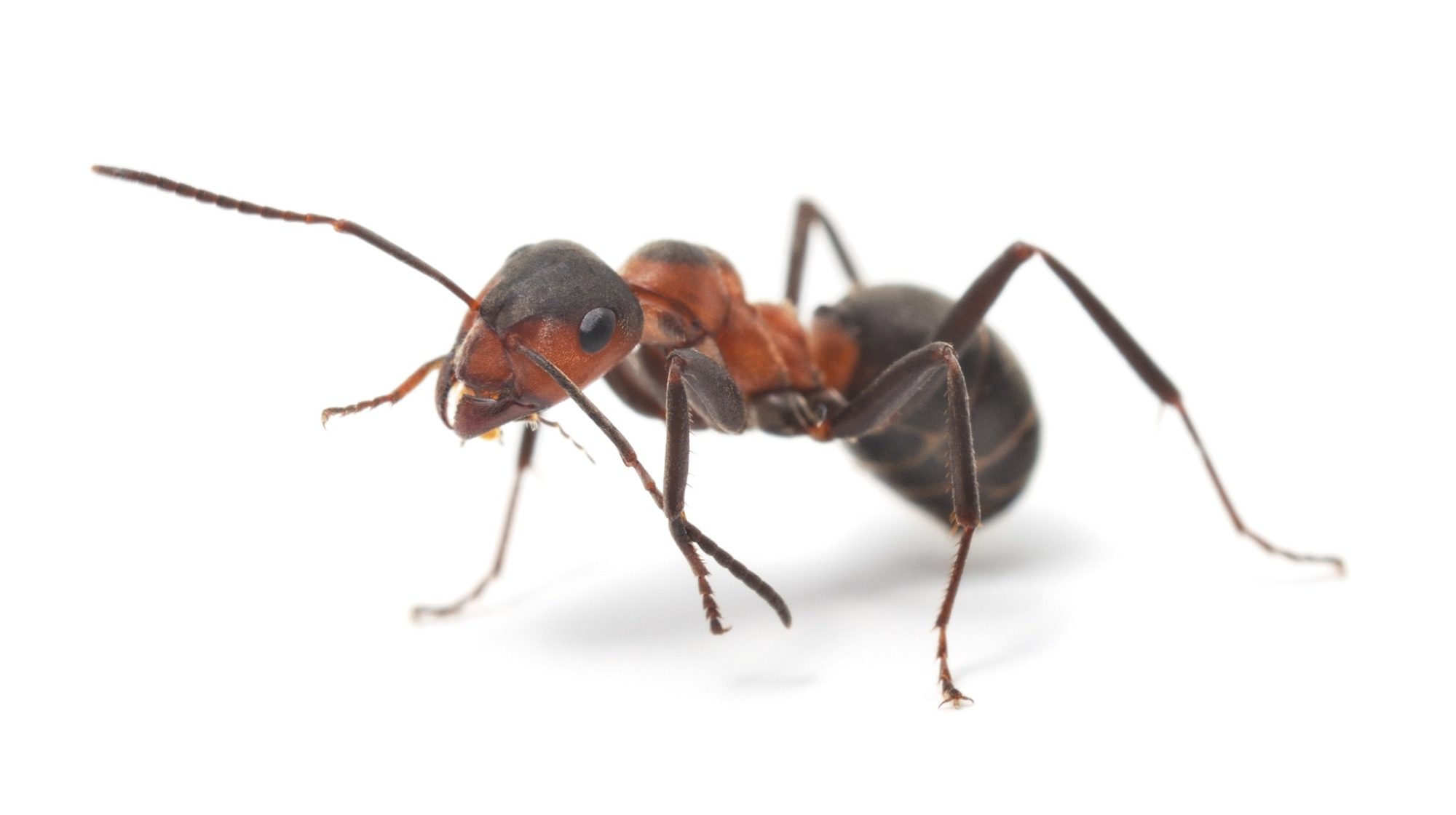
A very closeup portrait of an ant isolated on white.

Spring has sprung in the Midwest, unleashing a plethora of pests, including – ants! Environmental Pest Management knows everything about ants (and whatever else is bugging you). And are here to help discuss the types of ants in Minnesota. 

They’ve been in the business since 1986, and service the Twin Cities metro area, its surrounding suburbs, and parts of western Wisconsin, too. 

Whether your ant infestation is at home or work, Environmental Pest Management is here to handle whatever’s bugging you. Contact them today for a FREE quote.

Common Types Of Ants in Minnesota
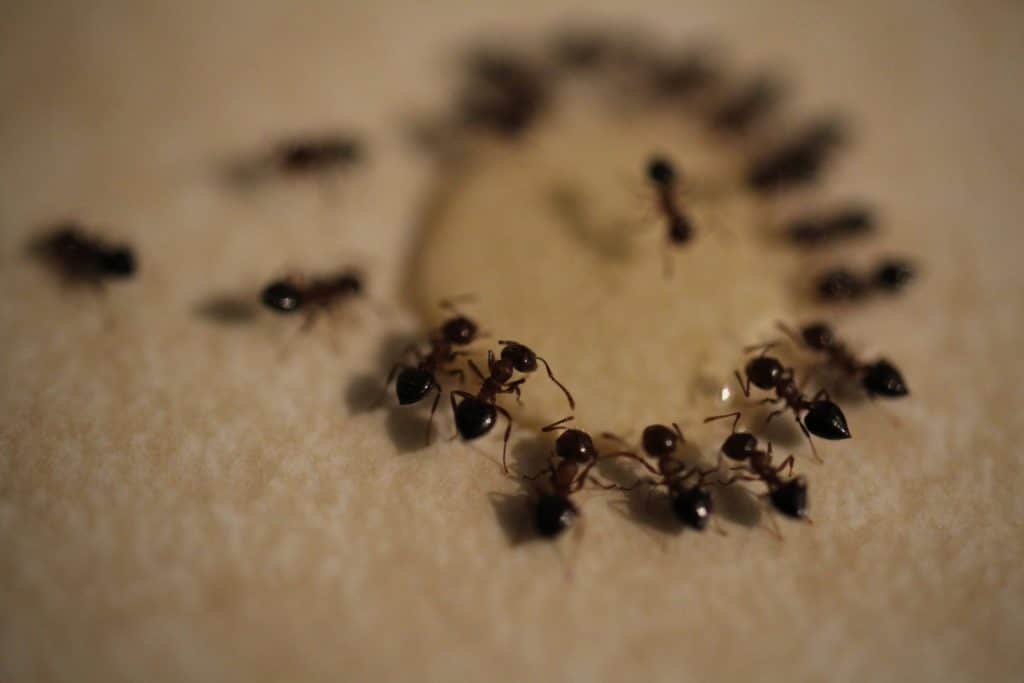
A colony of ants drinking from a drop of water.

In Spring, ants are eager to find a food source and a nice place to live. Their presence can be a big problem until you call a pest control professional. Environmental Pest Control has helpful ways that you can prepare your home for warmer weather.

Although there are 12,500 different ant species, only about ten call Minnesota home. If you see red ants, don’t freak out! It’s doubtful that they’re Imported Fire Ants.

Here are the most common types of ants in Minnesota:

Carpenter Ants (Camponotus pennsylvanicus) 

These ants are some of the biggest you’ll encounter! Reaching 1/4-inch to 1/2-inch in length, they are usually black or brownish. They may also have long yellow or gray hairs.

Cornfield Ants (Lasius alienus) 

Often mistaken for Carpenter Ants, Cornfield Ants are pale to dark brown but can also be red, black, or a mixture of colors. They range in size from 1/10-inch long to 1/4-inch long. Unlike Carpenter Ants, this odorous house ant emits a nasty odor when crushed.

Field Ants (Formica spp.)

These ants are medium-to-large in size, ranging from 1⁄5 to ⅜ inches in length. Their color can vary as some are black, while others are a combination of black and red. Although these ants don’t nest in your home, they build large ant mounds in your yard, which are unsightly and problematic.

Larger Yellow Ants (Acanthomyops interjectus)

If you smell lemons when you kill or disturb these ants, you’ve got Larger Yellow Ants in your home. These ants range in color from yellow to brownish-red, and workers grow to around 3/16-inch long.

Pavement Ants (Tetramorium caespitum)

Pavement ants are a bit like watching “Game of Thrones.” These warring ants fight each other over territory. The pavement ant only grows to 1/8-inch in length and has a reddish-brown or black body. Furrows line the heads of pavement ants from top to bottom.

Pharaoh Ants (Monomorium pharaonis)

These tiny-but-mighty ants are about 1/16-inch long with pale yellow to red bodies with a darker color in their middle sections. They are often mistaken for other ant species.

Thief Ants (Solenopsis molesta)

These little buggers measure about 1/10-1/16 inches. They may have a range in color from yellowish to brown. One unique feature is that their antennae have ten segments with a two-segmented club. In comparison, Pharaoh Ants have 12 segmented antennae ending with a three-segmented club.

Spring Cleaning to Help Prevent Ants

A woman wearing a denim shirt and blue rubber gloves wiping down her counter and spring cleaning to help prevent ants.

As we’ve mentioned, Spring is the time ants become active again. Now is an excellent time to go through the following rooms to check for signs of ants and other pests:

  1. Bathroom 
  2. Basement
  3. Kitchen
  4. Outside

It is also wise to check the seals around your doors and windows. Ants are persistent, creative creatures and can easily find their way into seemingly closed-off homes.

Sometimes a deep cleaning and good ol’ ant traps are all that’s needed to get rid of ants. You think you clean up well enough, but they come back before you know it, and further, any control is needed. That’s the time to call Environmental Pest Management for a free quote. 

What Ants Prefer
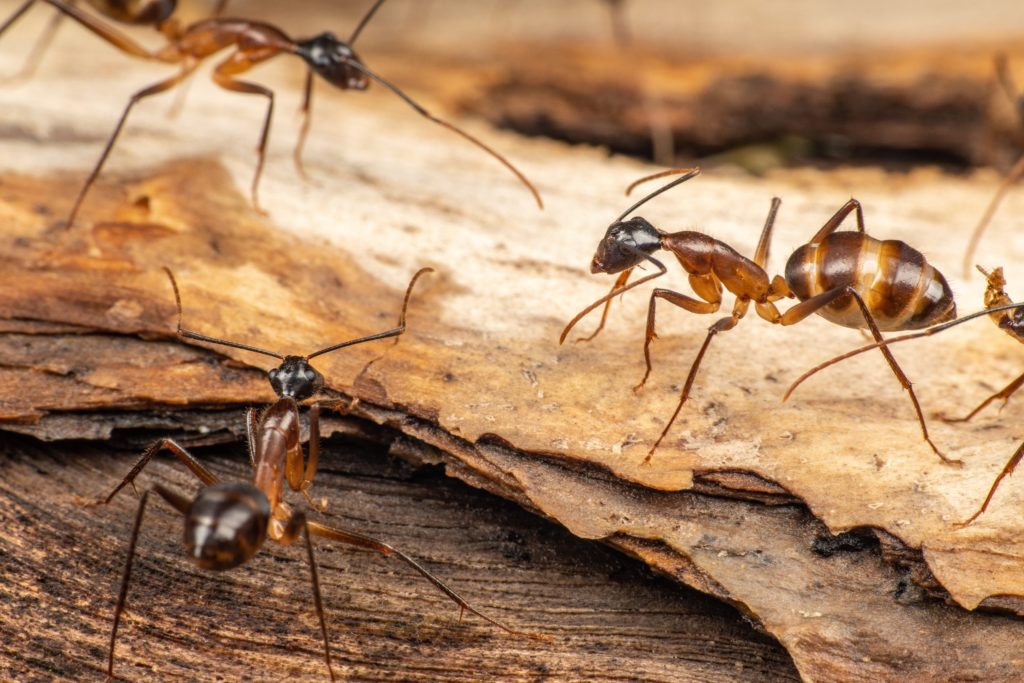
Carpenter ants on a piece of wood

  • Carpenter Ants: These ants love wood and wooden structures, especially rotting, wet or damaged wood. They’ll tunnel through the rotting wood to build their nests under your bathroom floor, roof, or behind walls. Carpenter Ants love grease, meats, and anything sweet. 
  • Cornfield Ants: OUCH! Did you know the Cornfield Ant bites? Luckily, the bite isn’t serious and merely causes a slight itch or stinging. True to their name, Cornfield Ants prefer to nest outdoors. These ant nests leave unsightly craters in lawns or planters as the colony increases. If you’ve found Cornfield Ants in your home, it means you have moisture in your home’s wood.
  • Field Ants: Like Cornfield Ants, these sizeable ants create mounds in open areas like lawns and meadows. Although they don’t nest in homes, they may find a way inside when swarming or searching for food. Common points of entry are loose weather stripping and cracked windows. Ant nests built close to the foundation may also enable ants to enter your home quickly.
  • Larger Yellow Ants: These nocturnal ants get busy at night. Like Pavement Ants, these pests often nest under concrete or home foundations. Although they don’t damage masonry, they can be very tricky to control once established.
  • Pavement Ants: These ants love greasy foods and sweets like most other pest ants. They often enter homes through the nests that they build under concrete slabs and homes with concrete foundations. They also like to nest under heated slab foundations throughout the winter.
  • Pharaoh Ants: Pharaoh ants feast on high-fat and sugary foods. They also enjoy a good snack of soap, toothpaste, and other hygiene products. If you notice them coming back again and again, it’s because they leave a pheromone trail to show other ants where your goodies are. The ants will infest your food stores in large numbers if they find food in the same spot twice.
  • Thief Ants: Thief Ants get into your home through cracks in your woodwork, holes in walls, and open doors. These ants feed on greasy foods high in protein or sweets. During your Spring cleaning, make sure to check your children’s room to make sure there’s no candy hiding under the bed or in the closet. 

Help Is On The Way
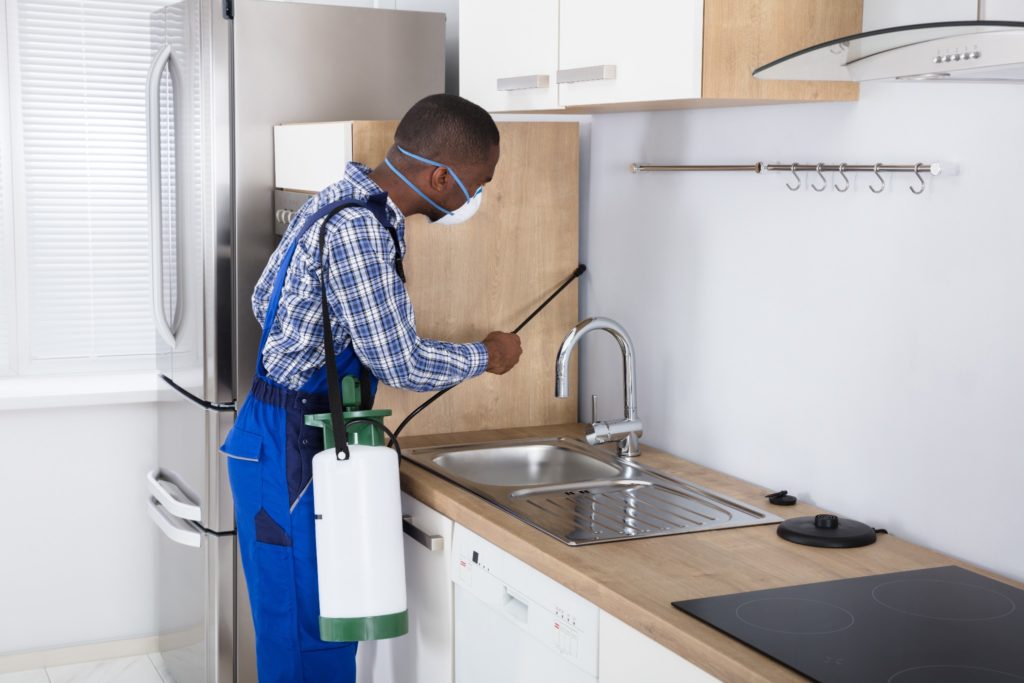
A pest specialist spraying for ants in a customer/s kitchen.

If infestations are hard to manage yourself, it’s best to call in the past professionals at Environmental Pest Management. They’ll immediately identify the problem and fix it. Contact them today for your FREE quote.
A Helpful Guide About the Mosquito Lifespan

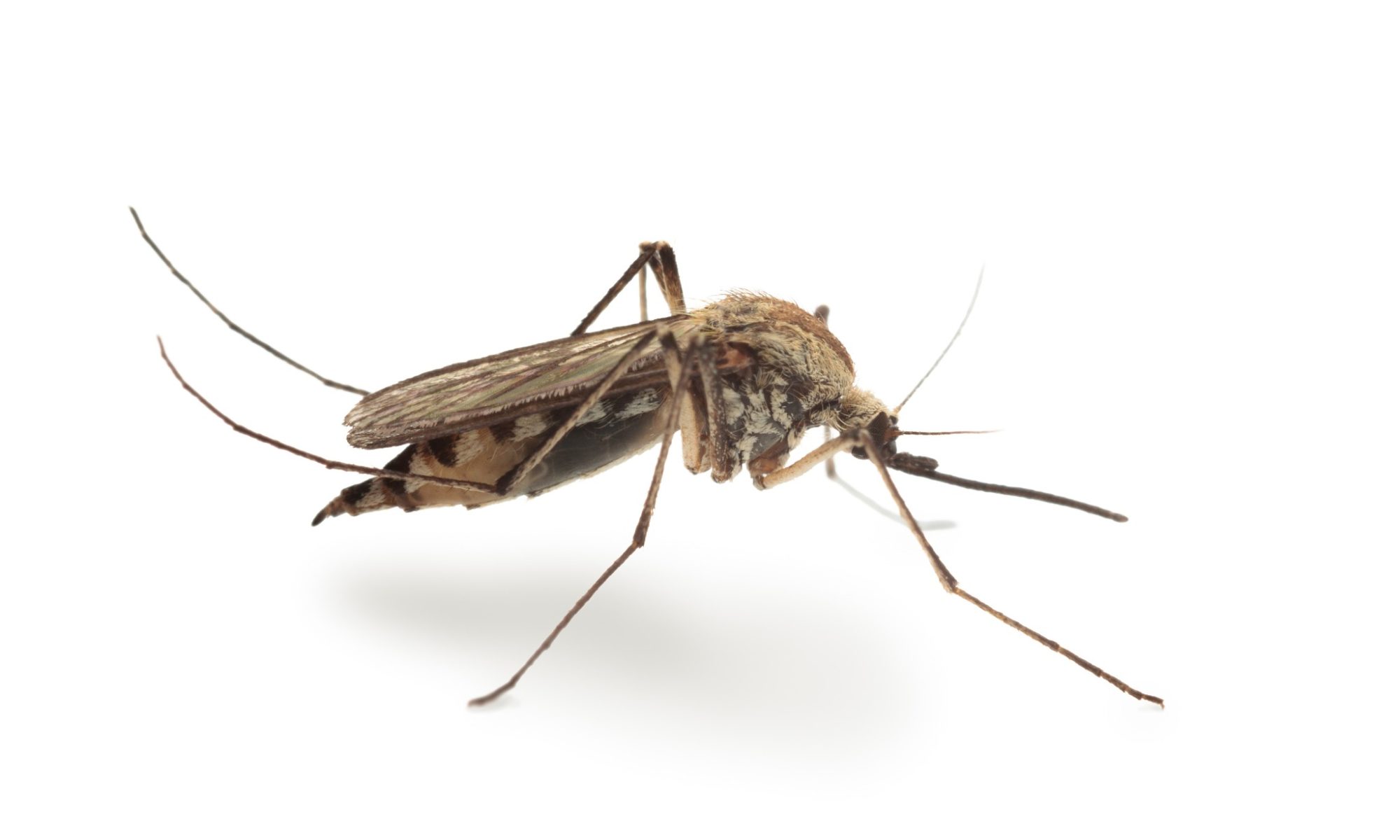
A mosquito isolated on a white background.

Understanding the Mosquito Lifespan: A Comprehensive Guide

In the United States, there are 176 species of Mosquitoes. And in Minnesota, you know that summertime is ubiquitously associated with slapping those persistent pests. If you do nothing to eliminate the bugs, just how long is the mosquito lifespan? 

If you do not want to find out, then Environmental Pest Management has some options for you. Finding solutions to decrease the summertime bugs is just one of our specialties. 

If you have a curiosity about the mosquito, then read on to learn a little more about the lifespan of one of our most famous summer nuisances. 

Learn More About the Mosquito Lifespan 

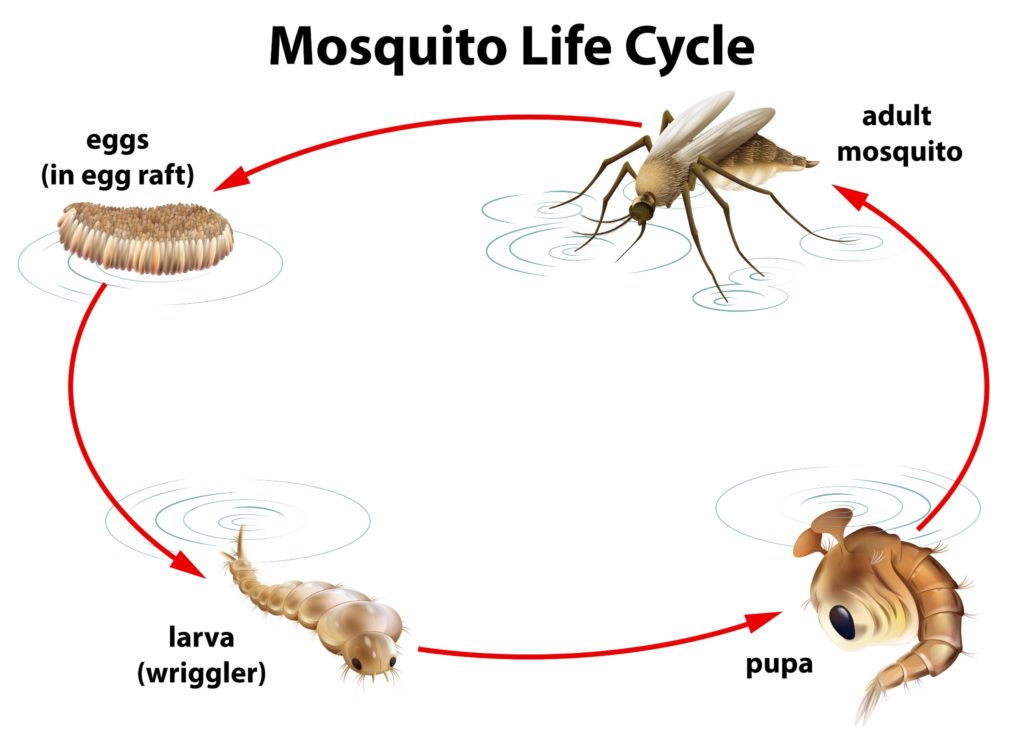
A diagram depicting the stages of the mosquito lifespan.

Some mosquitoes can live up to six months long, from laying the eggs to the buzzing whine of a skeeter in your ear. Did you know that mosquitoes have a 4-stages of growth? 

Mosquitoes can breed and live in any standing water source, whether natural or human-made. 

Mosquito eggs have been found deep below the ground in mines and even on mountains at 14,000ft. Understanding how they develop is crucial to understanding how to manage their presence in your yard. 

You may not be aware of where these sneaky buggers are breeding near your home, but pest control experts can find them. 

Some mosquito species are referred to as “floodwater” species, meaning they lay their eggs in temporary water sources created by rain or flooding. Others are called “permanent water” species, which indicates they lay their eggs in water sources that are long-standing like ponds. 

Despite the 300 different mosquito species worldwide, they all develop the same way. There are four stages of mosquito growth: Egg, Larva, Pupa, and Adult. 

Water is necessary for development as both the larva and pupa stages happen aquatically. 

The Stages of the Mosquito Lifespan

Mosquito Eggs

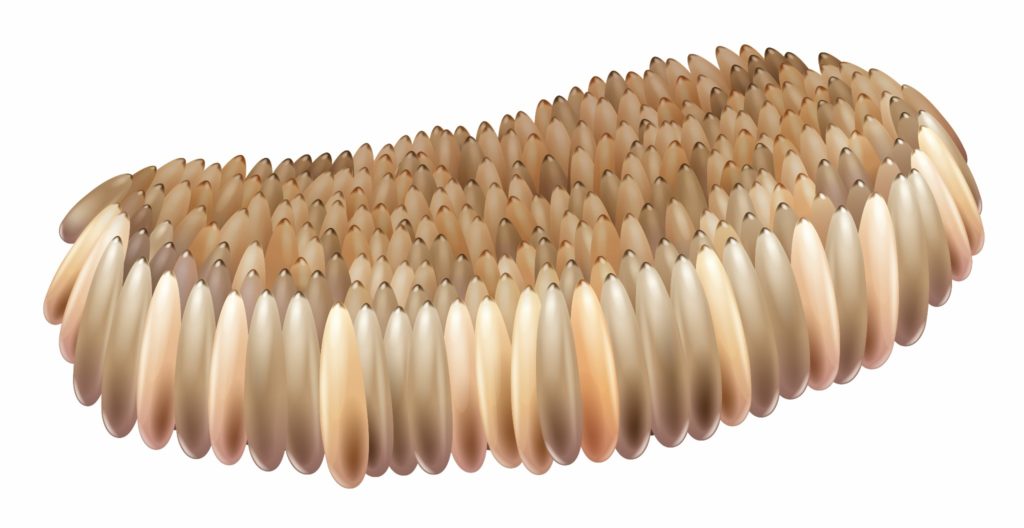
An illustration of a mosquito egg raft.

The female mosquito will lay her eggs either on the surface of standing water or right at the edge of the waterline. She could find this water inside a tree hole, a pond, a birdbath, exposed potholes in riverbed rock, or an old bucket that has collected rainwater. 

The egg development phase takes only a few days before they are ready to hatch, depending on how warm the temperature is. If the water source evaporates or if the eggs are laid outside of water, the eggs will become dormant until the needed hatching conditions occur. 

This could take years in some situations, even overwintering until the eggs are back in the water again. They must be in or very near water to hatch. 

Mosquito Larva

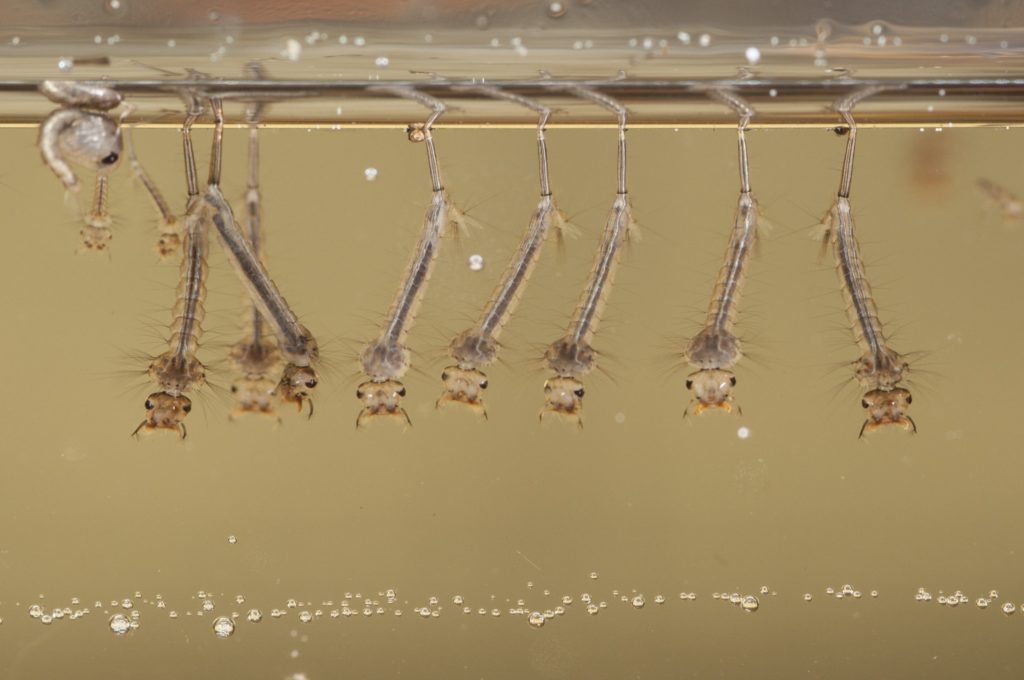
Mosquito larvae underwater. Larvae is just one portion of the mosquito lifespan.

Once the eggs have hatched, the mosquito begins the larval stage of development. The larva hang suspended from the surface of the water in clusters. They require oxygen, so an air tube or siphon protrudes from their body and extends towards the surface. 

It acts much like a snorkel, allowing them to breathe. 

The larva filter-feed micro-nutrients for sustenance and swim deeper if needed to escape from a predator. The shape of their body creates an S motion as they swim. Because of this, they are nicknamed “wigglers” or “wrigglers.”

The larva will shed its exoskeleton four times before entering the next stage of development. This process can take 4-14 days, depending on the species, water temperature, and the amount of food available to them. 

Pupa Stage 

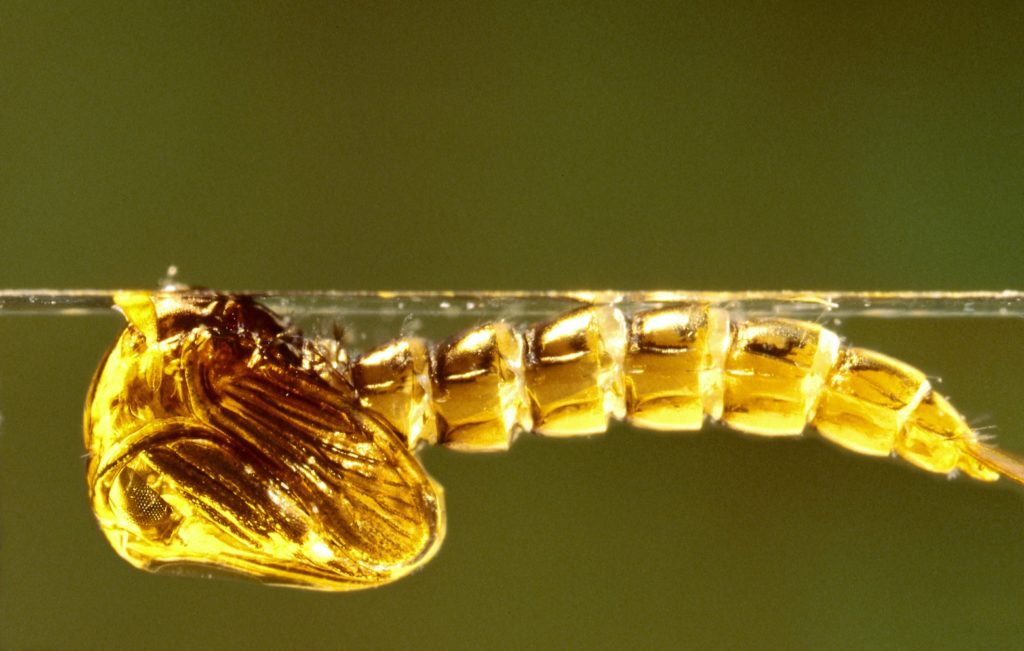
A mosquito pupa hanging beneath the water's surface.

Once the mosquito has developed to the pupal stage, it no longer needs to feed. It does still need to be in the water to survive. They also still need to breathe oxygen, so the pupas remain close to the surface. 

They are, however, becoming more physically active. The pupas use a rolling or tumbling motion to escape to deeper water if needed. This motion warrants them the common nickname of “tumblers.” 

The mosquito pupae are in this form for 1.5-4 days before they are ready to shed their exoskeleton one final time. 

Adult Mosquitoes 

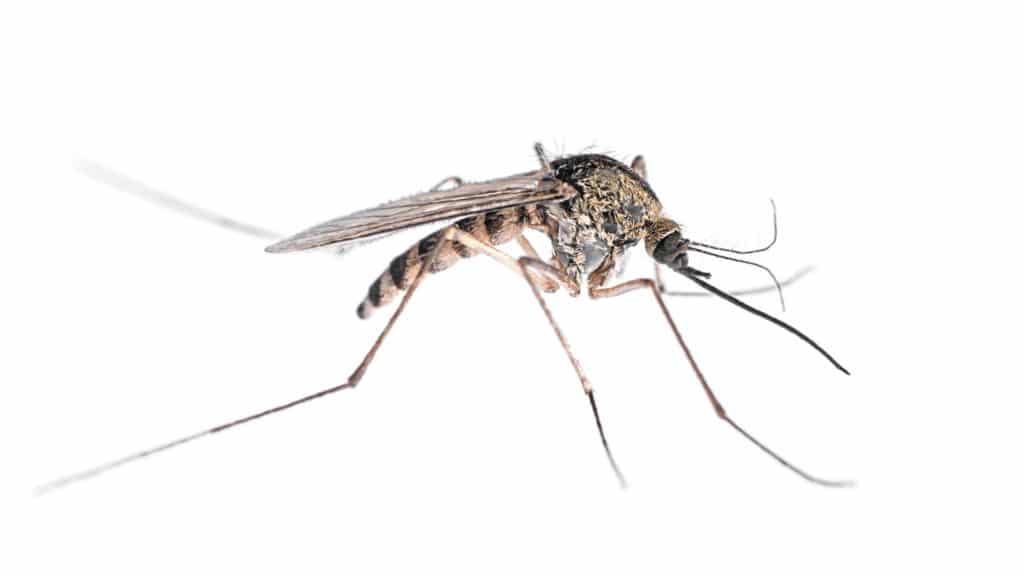
An adult mosquito isolated on a white background. The adult stage is one of the four stages of the mosquito lifespan.

Once the pupa sheds its skin, it emerges as a fully formed adult mosquito. There are male and female mosquitoes, which lead very different lives. 

The male mosquitoes linger near the breeding site after hatching because reproduction is hardwired for survival. 30% of newly hatched adults will die within the first day, so their instincts have evolved to make them breed as fast as possible. 

How long do mosquitoes live? The male mosquito’s lifespan lasts 6 or 7 days. 

For the female, that quick turnaround isn’t easy. She has to eat before she can lay more eggs. 

While the male subsists entirely on plant nectar, the females need blood meals. Before laying her eggs, she needs to drink blood and plant nectar. 

How long do female mosquitoes live? Surprisingly, female mosquitoes can live upwards of 6 months, but generally, their lifespan is about six weeks. 

These flying insects will travel between one and ten miles for a blood meal. Some species can travel upwards of 40 miles. After each blood meal, the female mosquito will lay her eggs or oviposit. 

Some will complete this cycle several times in their lifespan, and some will lay their eggs only once.  

Why are they attracted to humans?

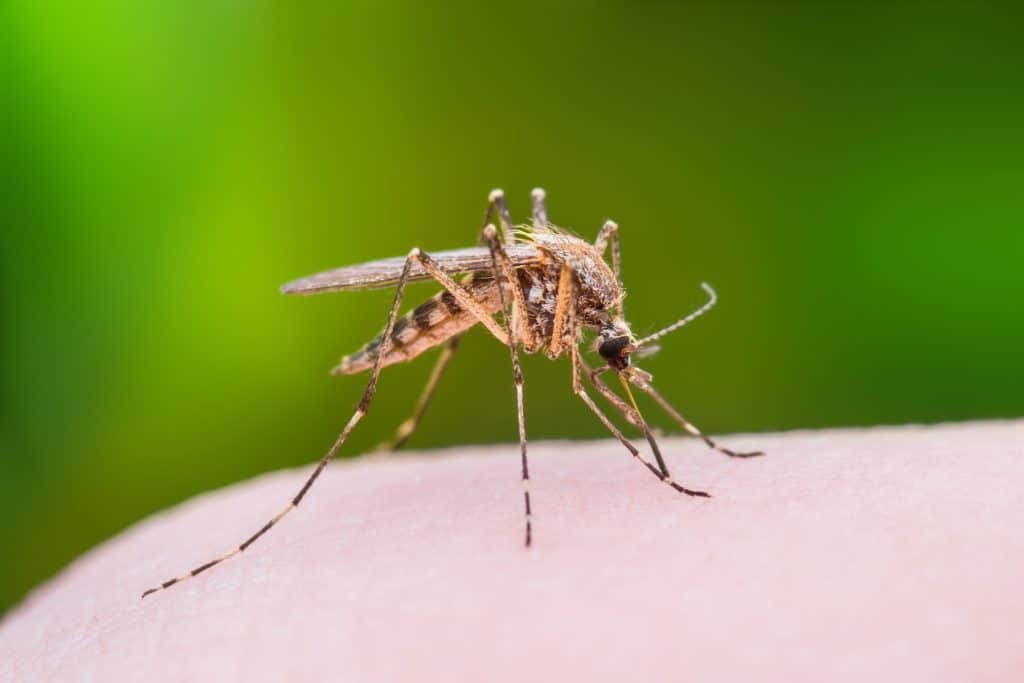
A mosquito biting a human.

Two main factors attract mosquitoes. Scenting carbon dioxide and heat are primarily how these flying insects hone in on their prey, whether human or animal. The source does not matter to them. 

The itchy bites are only one source of frustration from this pest. Mosquitoes also can transmit viruses and diseases, making them deadly in some areas of the world. The mosquito is most infamously associated with West Nile Virus and Zika Virus. 

Making Peace with the Pest

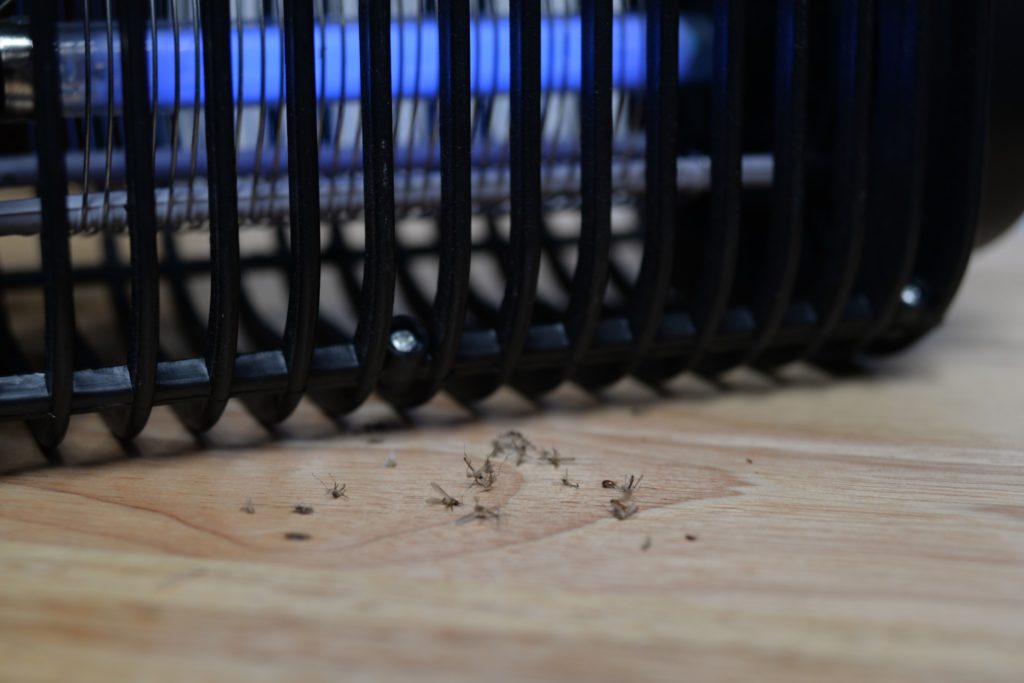
Mosquitos dead after flying into a light bug trap.

These summertime visitors are impossible to avoid, but there are ways to manage their presence. Understanding the mosquito lifespan can help pest control experts to disrupt it. 

We can help prevent more mosquitoes from hatching near your home so you can enjoy your summer in peace. 

Our team of master licensed technicians at Environmental Pest Management can help you manage the insects near your home. While there is no way to get rid of them entirely, there are very executable methods to ensure you are doing what you can to keep them at bay. 

Contact us at Environmental Pest Management to learn more about how we can help you today.

12 Common Minnesota Bugs

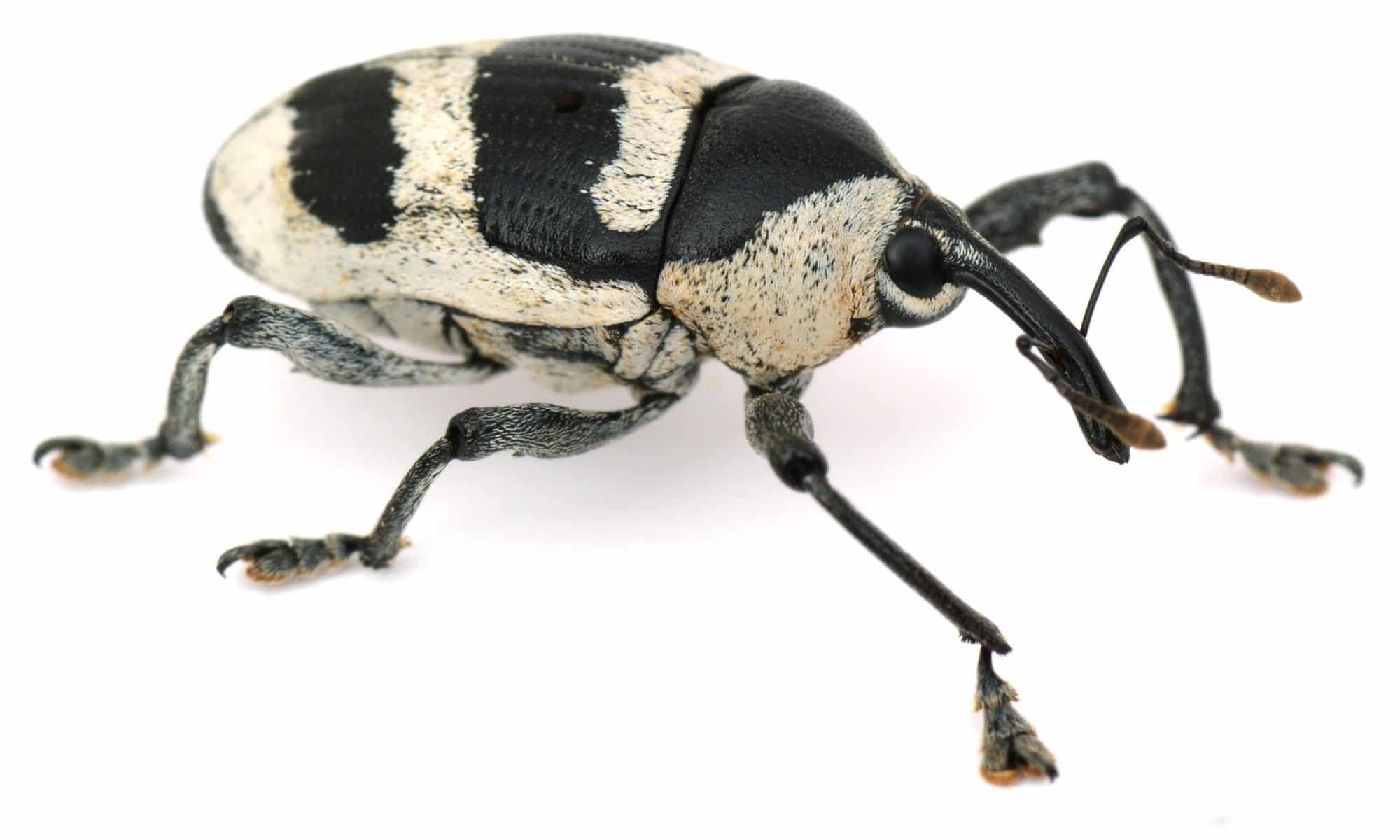
A black and white Weevil on a white background

Though it does not feel like it, our Minnesota winter is coming to an end. As we approach summer, our crawly friends will be coming out to make their presence known. 

Or some of us may have some winter visitors holed up in our homes to escape the cold outdoors. It is important to know if your house guest is a friendly flyer or a harmful home invader. 

Take a look at these common Minnesota bugs that you are likely to find all year round. 

If you find any of these pests in your home and want them to vacate the premises, call Environmental Pest Management. We will send your pests packing!

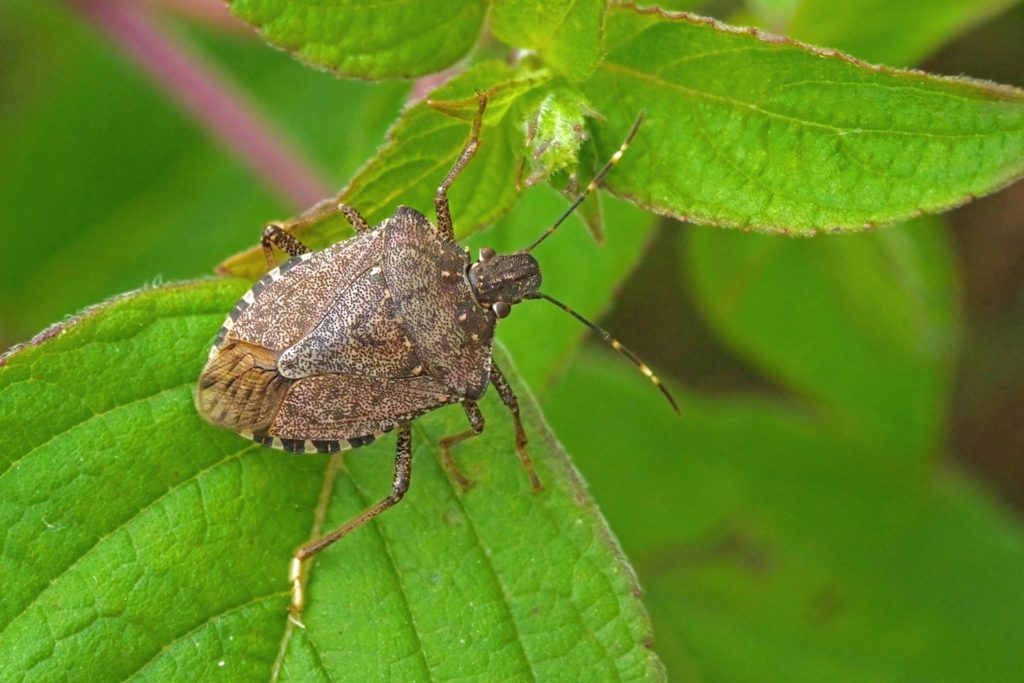
A Stink Bug on a bright green leaf. Stink Bugs are a common Minnesota bug.

1. The Brown Marmorated Stink Bug

These guys were unintentionally brought to North America from South-East Asia. You will find these common Minnesota bugs hiding out in your home during the wintertime to escape the low temperatures. 

The stink bug will sneak through cracks and crevices in your home’s siding or door and window frames. Though they are not harmful, these guys do stink (both literally and figuratively). 

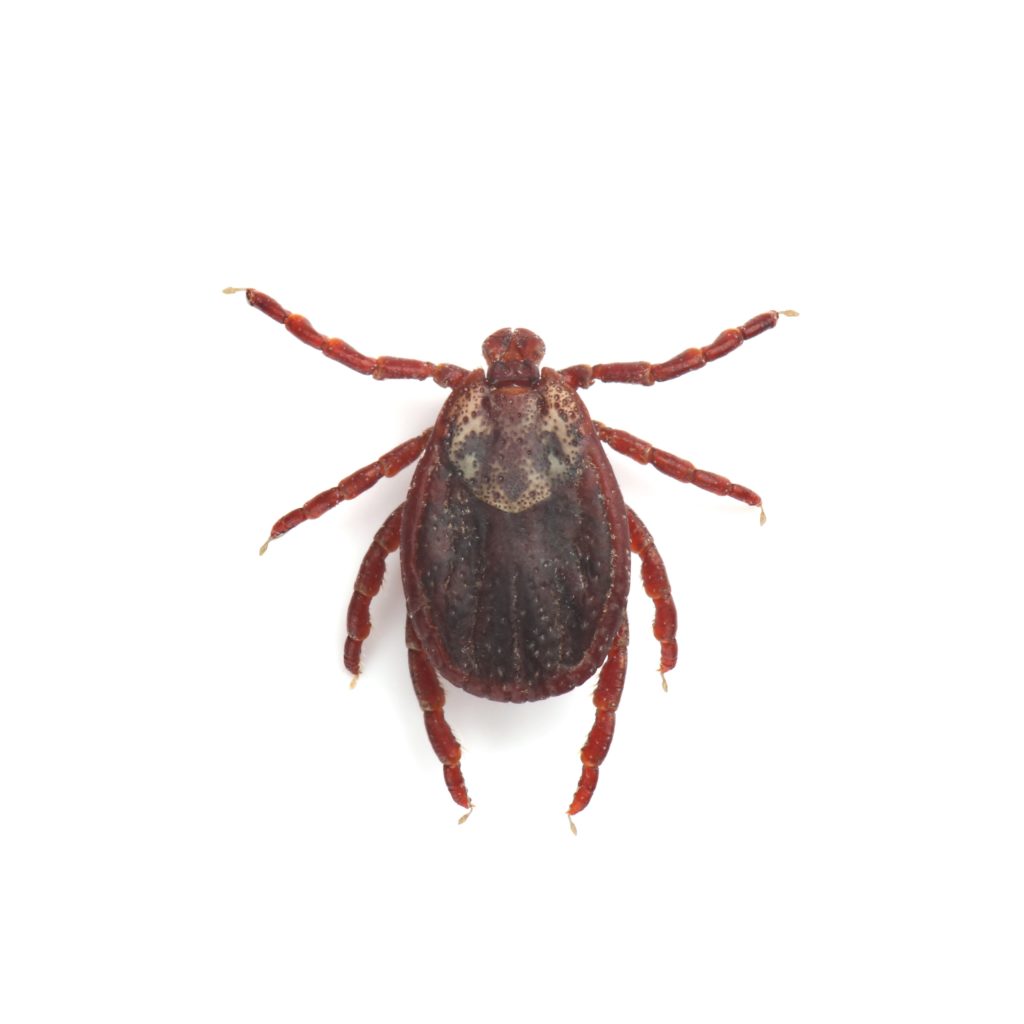
A red male tick on a white background.

2. Ticks

I think it’s safe to say we all know about these pests. According to the Minnesota Department of Health, there are roughly twelve different kinds of ticks.

The three main types you might encounter are the American dog tick (or wood tick), the black-legged tick (or deer tick), and the lone star tick. Each of these carries the possibility of a tick-borne disease.

Ticks are crawlies you do not want to have around. If you do experience a tick bite, be careful with removal.

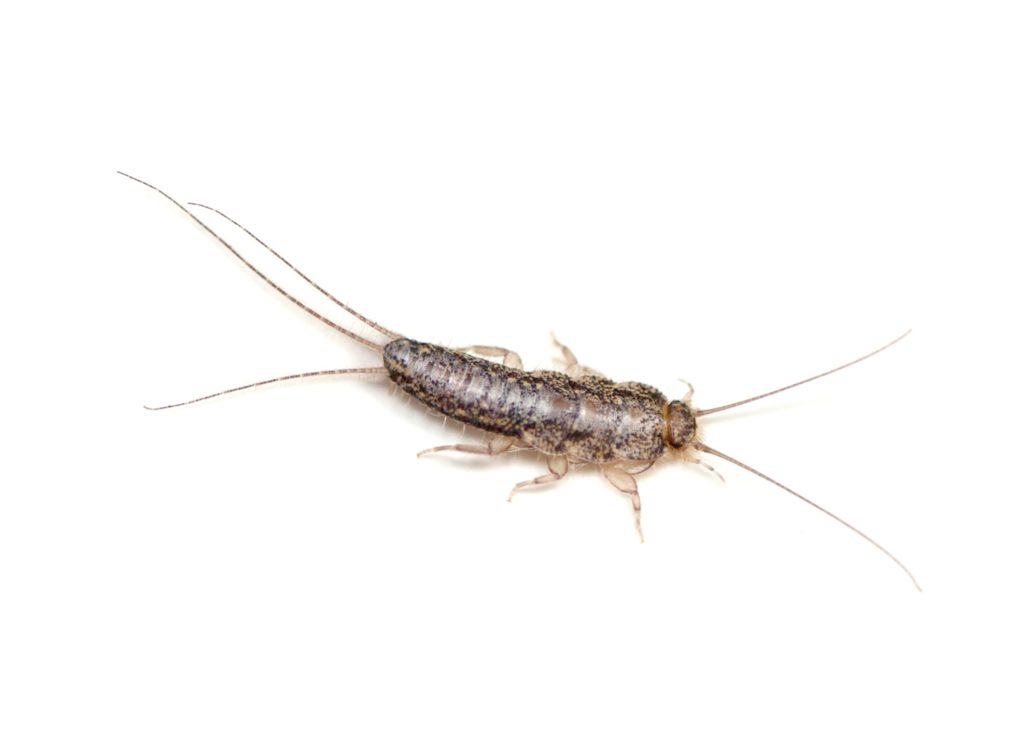
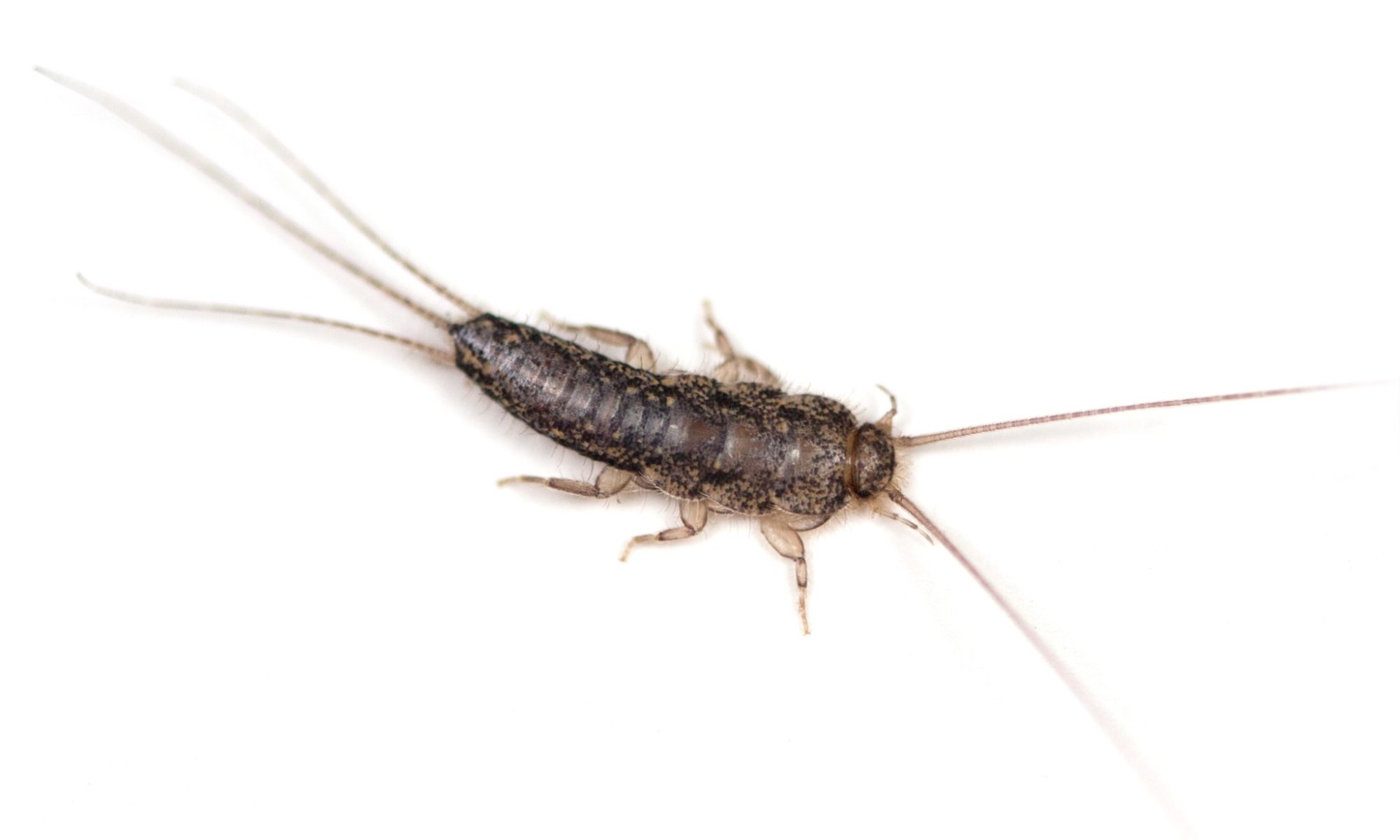
A Silverfish close up on a white background. Silverfish are a common Minnesota bug.

3. Silverfish

These pests have a suitable name for these flightless bugs with fish-like movements. Although they are very otherworldly looking, they are more of a nuisance than anything. 

Their destructive tendencies can make them a major annoyance. The silverfish’s discarded exoskeleton can also trigger allergies in some cases. 

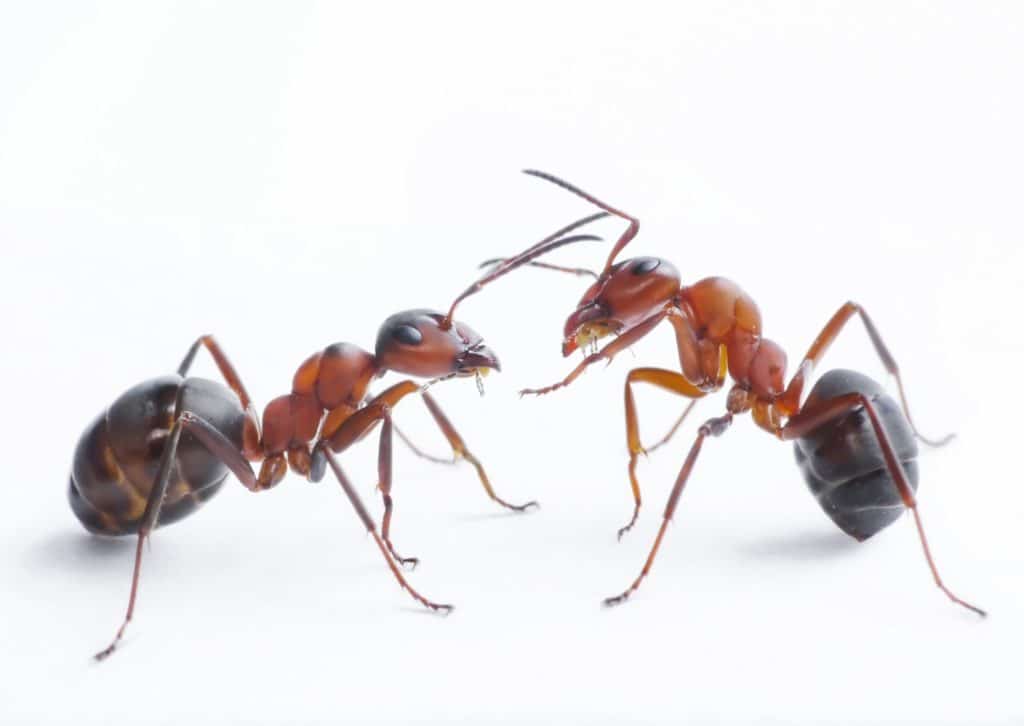
Two ants on a white background

4. Ants

Ants are a common pest found in and around Minnesota homes. The best way to control an ant infestation is to identify them correctly. 

Most ants are more of a home-owner headache than disease-carrying and destructive. The University of Minnesota has a lot of great information on ant identification.

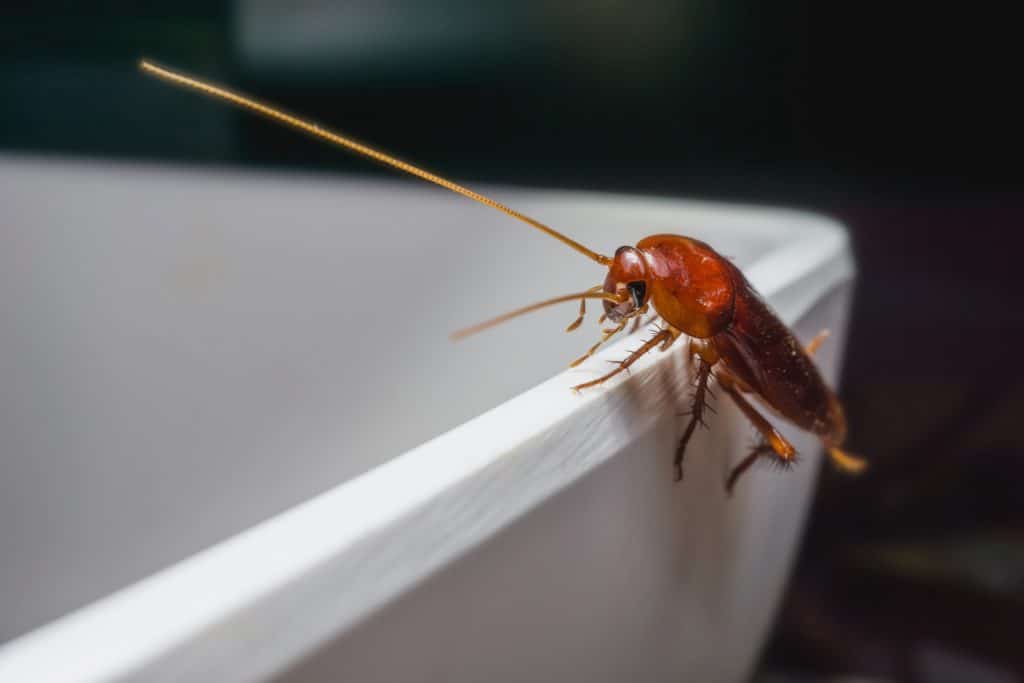
A cockroach on a sink

5. Cockroaches

Yes, of course, these guys made the list. Four types of cockroaches can infest Minnesota homes: the brown-banded cockroach, oriental cockroach, American cockroach, and the German cockroach. 

The best way to avoid these guys is to keep your kitchen and pantry clean. Store pantry foods in air-tight containers and clean dirty dishes frequently. 

They can carry diseases and can trigger allergies and asthma.

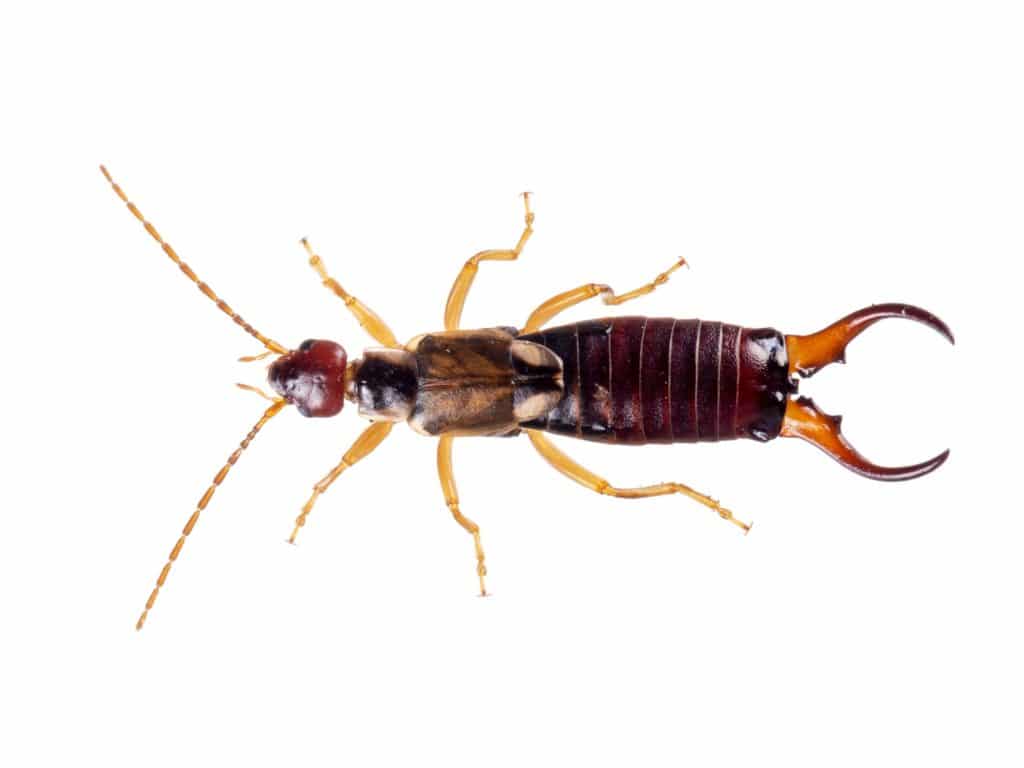
An earwig isolated on a white background

6. Earwigs

These guys are mostly a problem during Minnesota summers (July and August). They can come in large numbers. 

They do not cause any harm to humans or property damage but can give off an awful odor. One earwig will not live long inside the home. If you’re unprepared, earwigs will continue to enter the home through the summer months. 

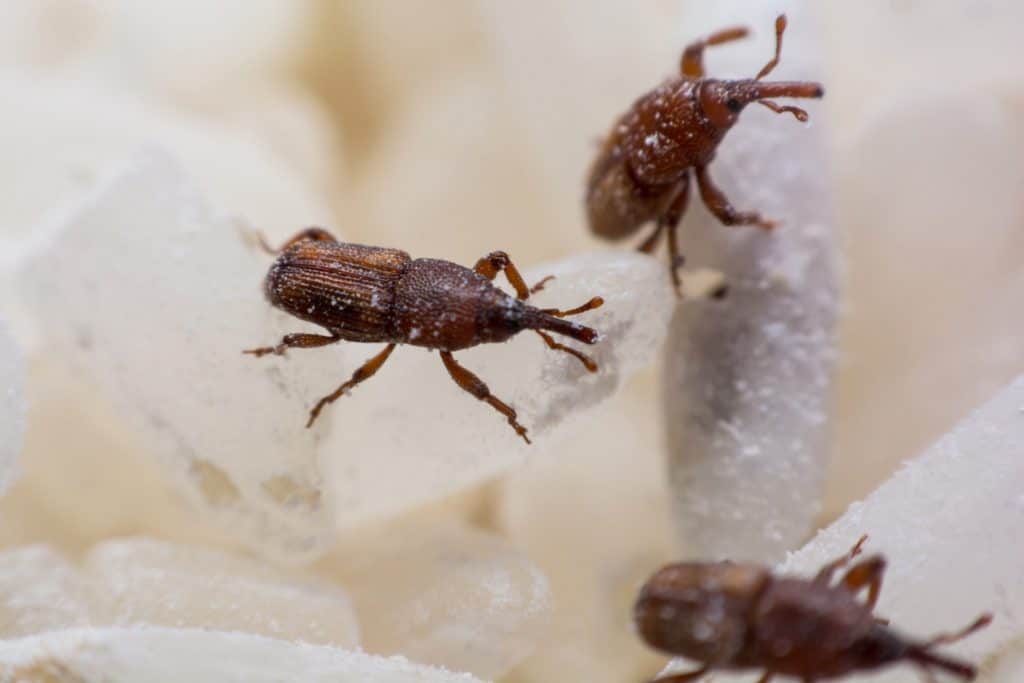
A close up photo of Weevils on grains of rice.

7. Weevils 

These insects are a small, pear-shaped beetle with a noticeable snout. Weevils will seek shelter in your home from unfavorable weather conditions, especially dry, hot weather. 

These guys are classified as pantry pests and may try and find a home in your rice or grains. Store your grains and other weevil-loving food in air-tight glass or plastic storage containers. 

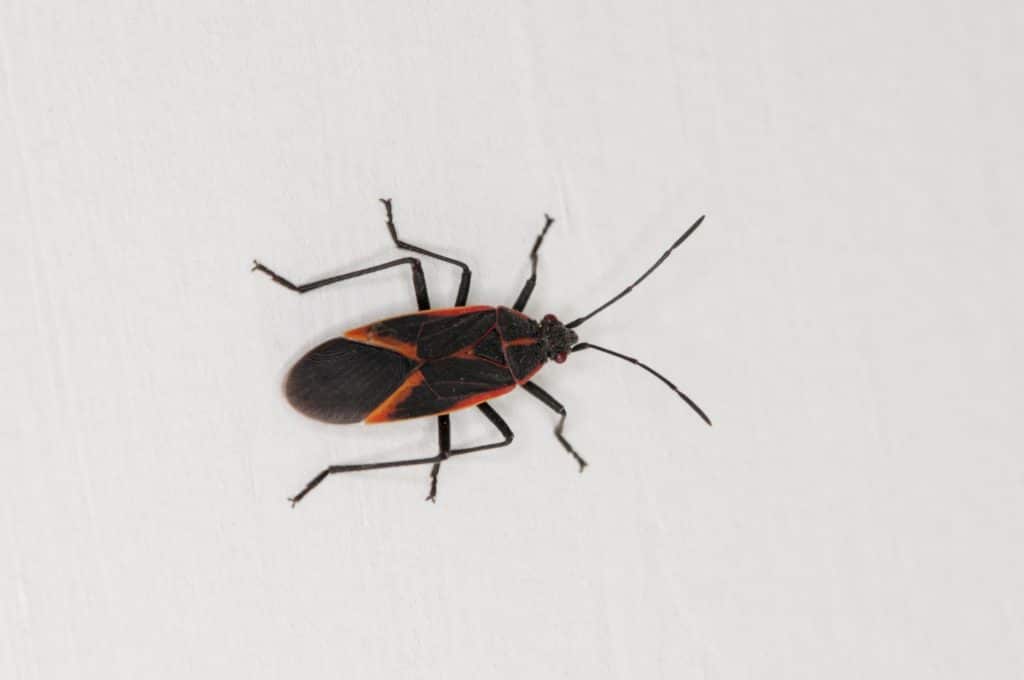
A Boxelder bug is a dark beetle with orange markings

8. Boxelder Bug

These common Minnesota bugs are black with orange or red markings. You can identify them by the three stripes on their back right behind their head. 

These bugs like warmth and are unlikely to cause you a problem during the summer months. They can become an issue in the fall and winter months when they are seeking warmth and shelter. 

They are primarily a nuisance as they often enter homes or buildings in large numbers. 

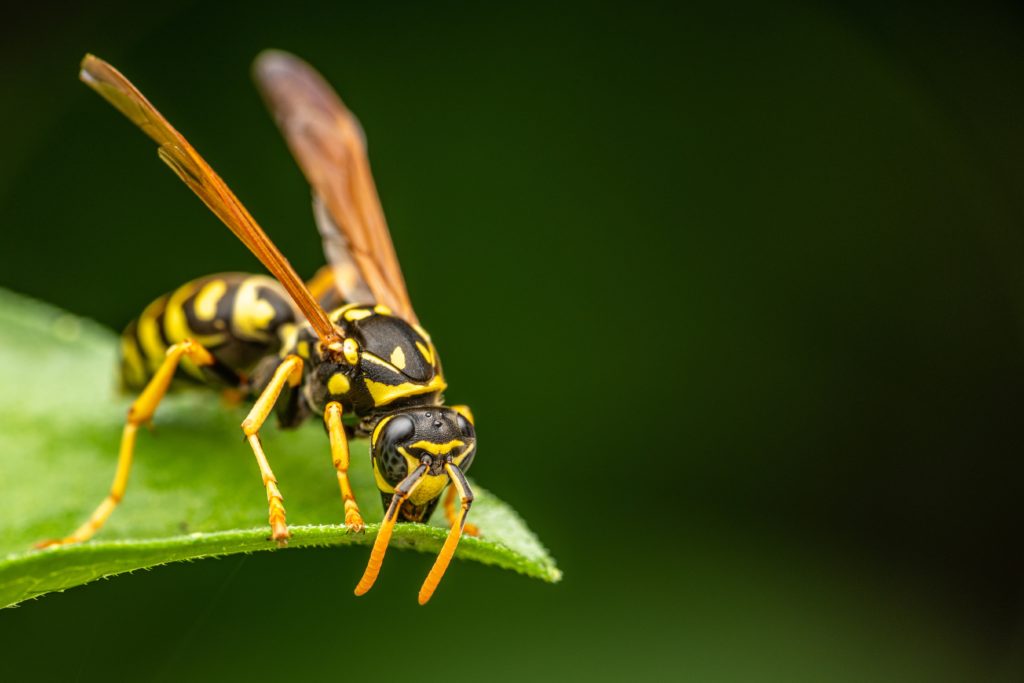
A wasp on a leaf

9. Wasps

Yellowjackets (including baldfaced hornets) and paper wasps are two common wasps you can find in Minnesota.

Wasps will construct their nests on the inside or outside of buildings, inside trees, and in the ground. Usually, wasps do not cause a problem if they are not near human activity. 

If you find a wasps nest inside or outside your home, it should be eliminated to reduce the risk of stings. 

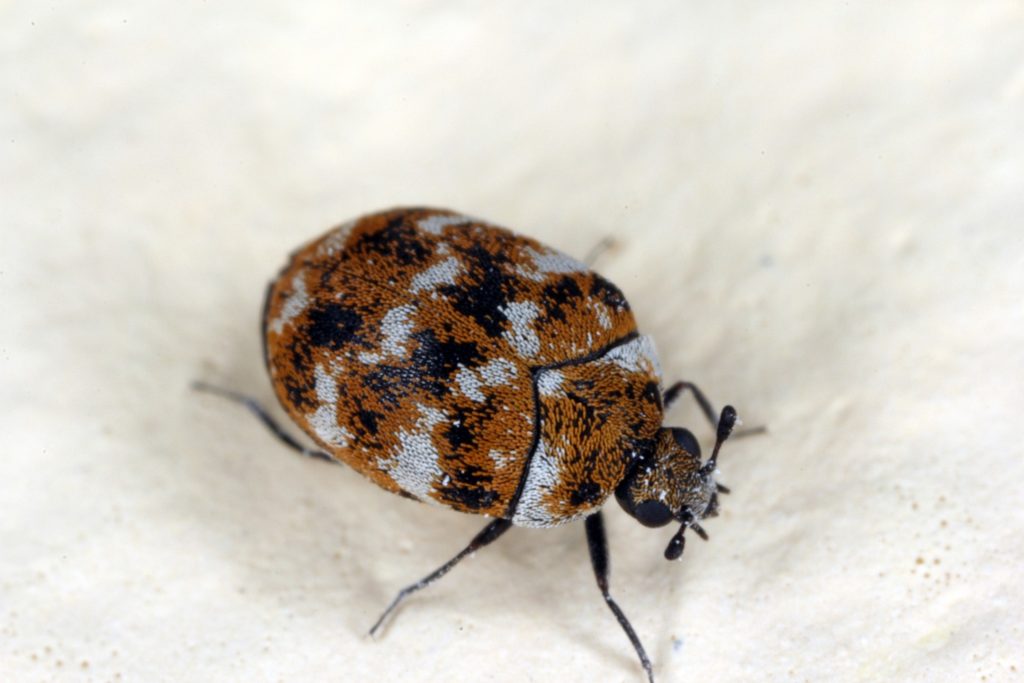
A multi-colored carpet beetle close up

10. Carpet Beetles

These small guys can be found indoors throughout the year. They are commonly spotted during the spring and summer. 

Carpet beetles can be tricky because adults feed on pollen and are not pests alone. However, their larvae are destructive because they feed on natural fibers of animal origin.

They are not so much a concern for your carpet as they are your closet and items containing materials such as feather, wool, fur, or silk.

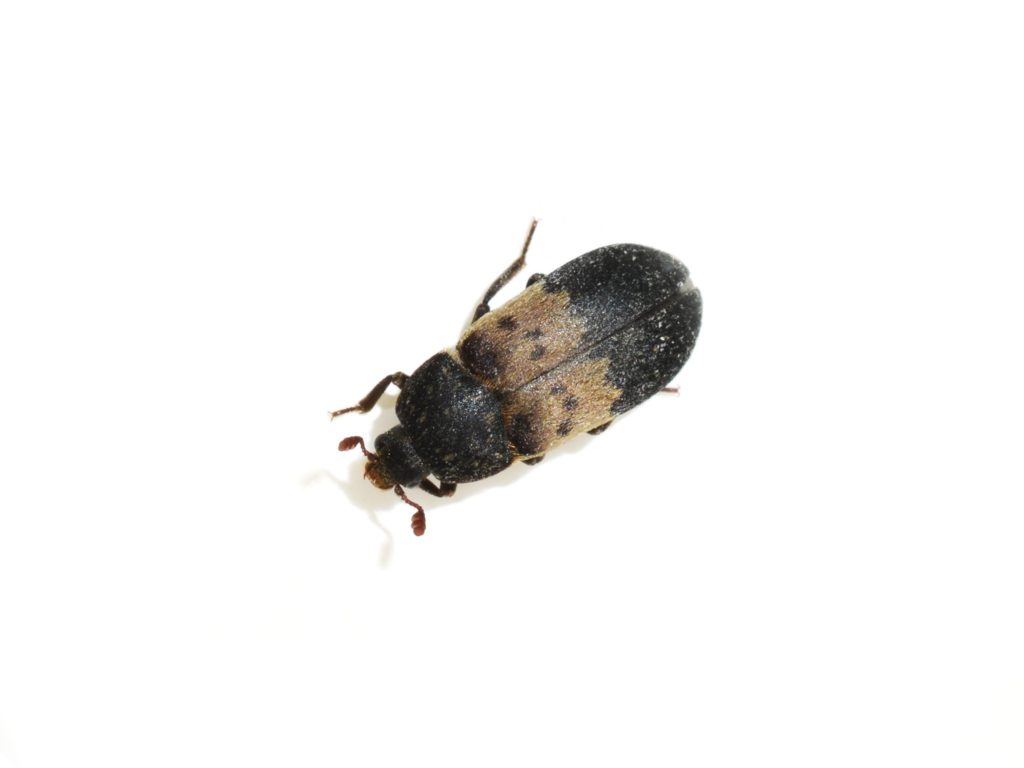
A large larder beetle on a white background. 

11. Larder Beetles

These oval-shaped dark brown beetle can be identified by the cream or yellow-colored band with six dark spots that run across the top of their wings.

These guys were fittingly named larder beetles (think lard) because of their attraction to food pantries and animal by-products. Both the adults and the larvae feed on high-protein materials or products. 

They will eat furs, feathers, wool, dead animals and insects, cured meats, dry pet food, and cheese.

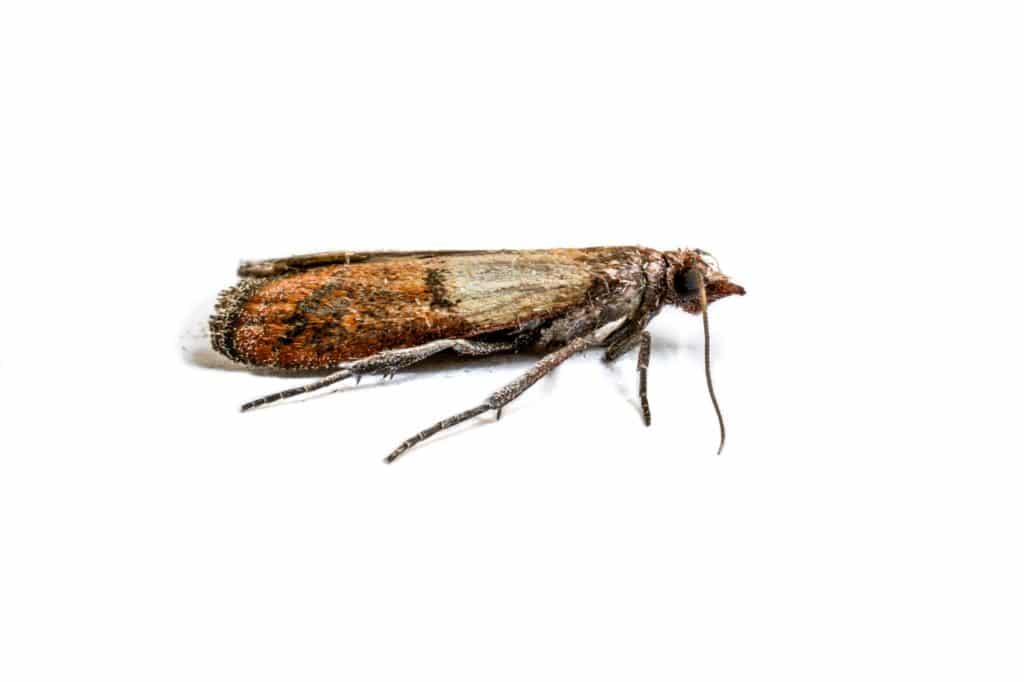
Indianmeal moth on a white background

12. Indianmeal Moths 

Indianmeal moths have light gray wings that darken near the hind with no distinguishing markings. They may have a reddish-brown or coppery color on the outer portion of their wings. 

These pantry predators get their names from their diet of “Indian corn” or maize. They can be found in homes living in stored food products including, grains, dried fruit, seeds, spices, or pet foods. 

To help prevent these common Minnesota bugs, it is important to keep your pantry clean and store dry food products in glass or plastic air-tight containers. 

Environmental Pest Management Battles Minnesota Bugs

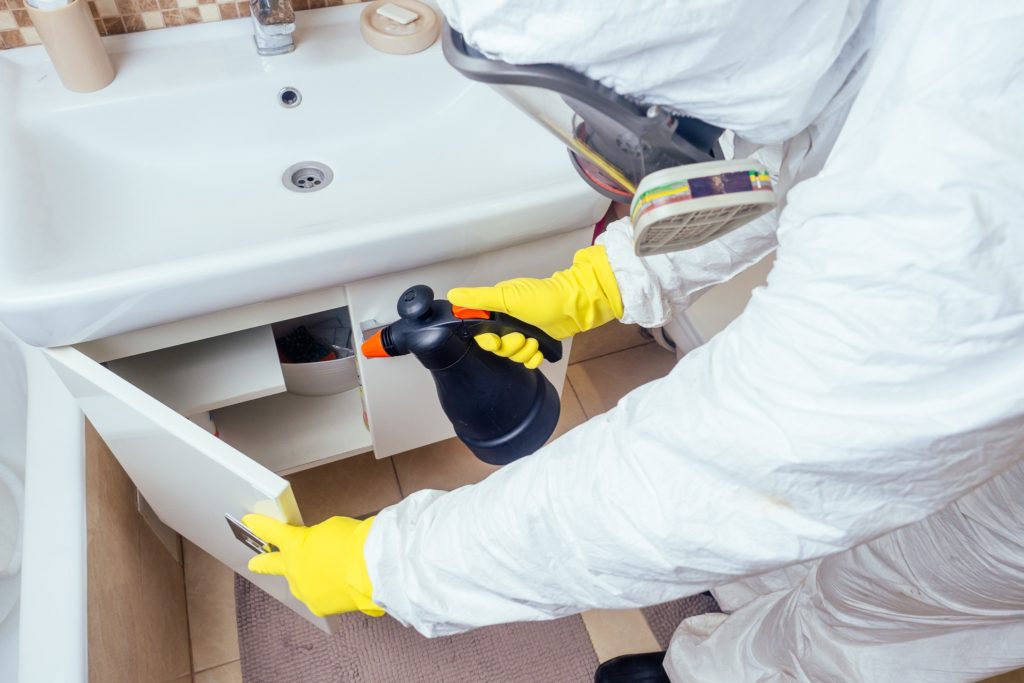
A pest control worker spraying a cabinet under a bathroom sink

All year long is a bug battle. Pests enter and exit homes depending on weather, life cycles, or other habits. 

If you find yourself with one or any of these common Minnesota bugs, Environmental Pest Management can help. We are proud to service Burnsville, MN, and surrounding cities

Contact us today for safe and effective pest management.

What are Silverfish Bugs?

A Silverfish bug isolated on a white background

Out of the corner of your eye, you see something skitter across the floor. You immediately stop what you’re doing to investigate. 

Just as you expected, it’s an unwelcome creepy crawler. But what on earth is it? An elongated silver/brown bug that’s very extraterrestrial looking. The Silverfish. 

But what are Silverfish bugs

Silverfish look otherworldly enough to give anyone a small fright. If you find an infestation in your home, give Environmental Pest Management a call for a free quote. 
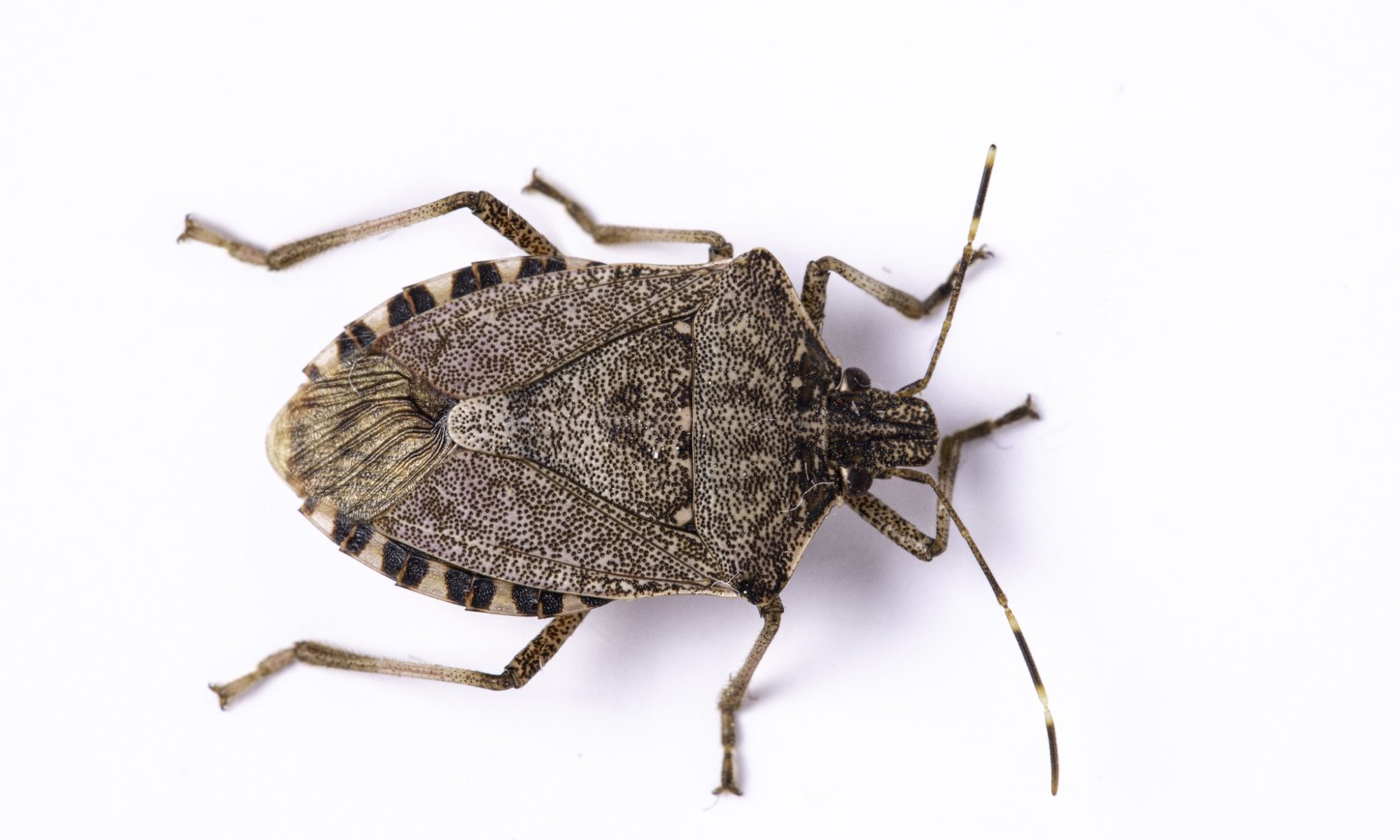
In this article, we will answer the question, “what are silverfish bugs,” so you can identify the culprit correctly!      

Silverfish Stats

What are Silverfish bugs?

Color: They range in colors from a white sliver color to brown

Size: They can be anywhere from 12-19 mm in length

Shape: They are elongated and tear-dropped shaped.

Appearance: They have a 3 part segmented tail at the end of their abdomen

What Are Silverfish Bugs?

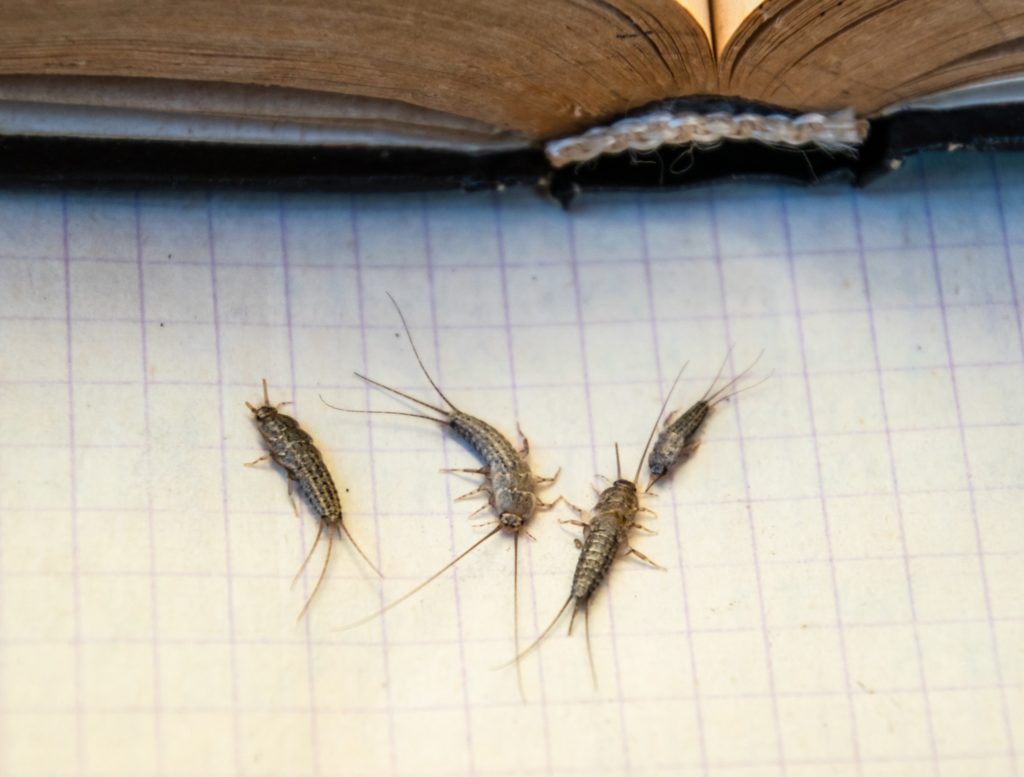
Four Silverfish ranging in size next to a book.

They are small, wingless bugs that get their name from their coloring and fish-like movements. Silverfish are nocturnal creatures and, like most bugs, prefer to hide in dark, moist locations.

Silverfish can grow anywhere from half an inch to an inch long. They have a lifespan of two to eight years. 

Silverfish are most known for their odd appearances. They have two long antennae on their head and three-segmented bristles on their rear. 

They scurry about in a side-to-side motion that resembles a fish’s movements. You will often find silverfish searching for dark, moist, humid environments to hide. 

Where do Silverfish Live?

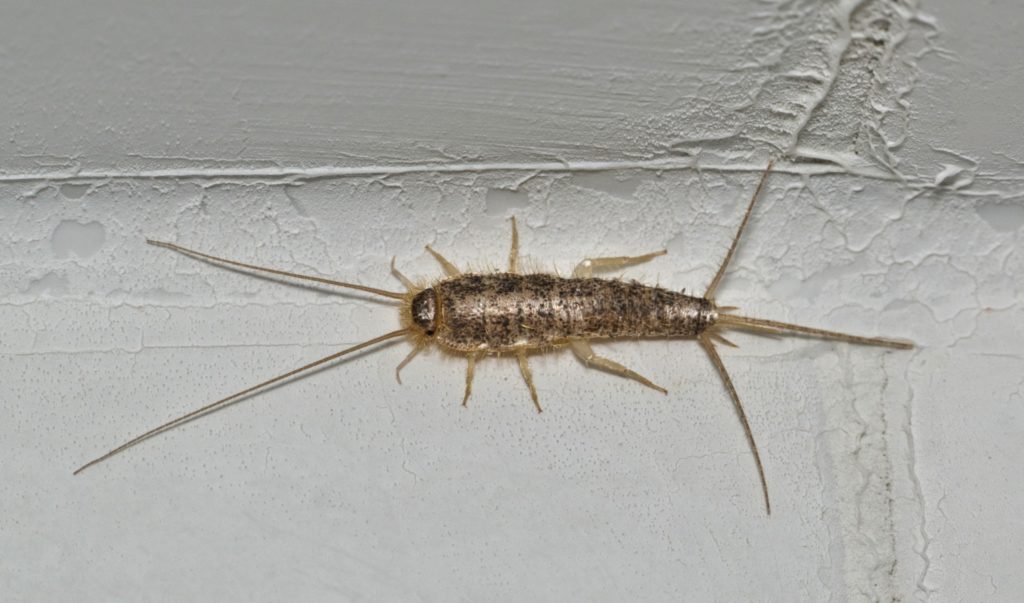
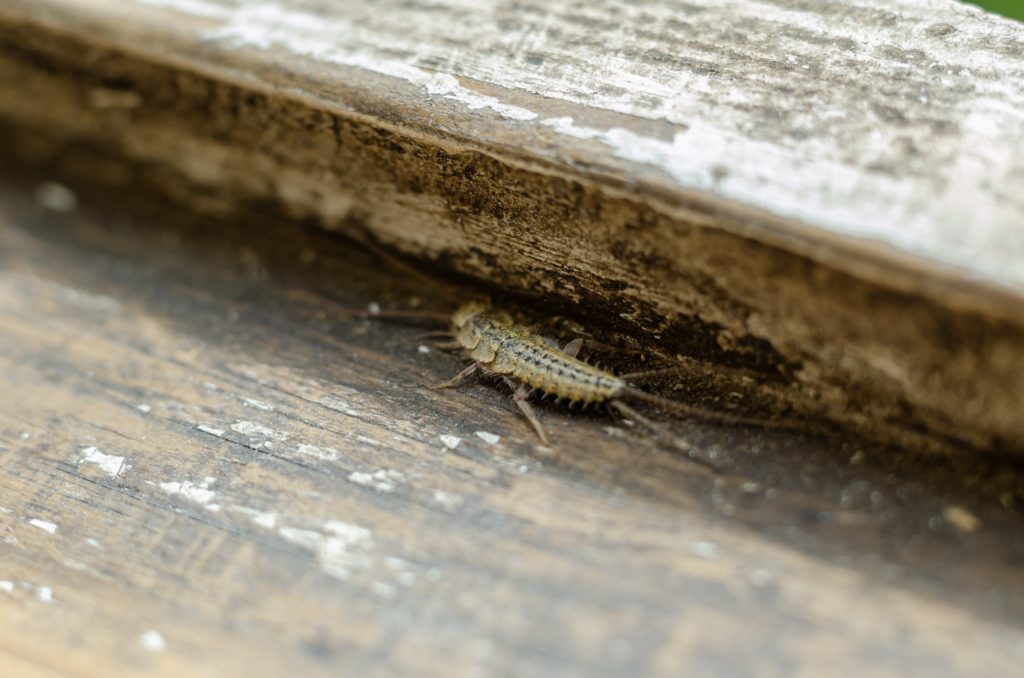
A Silverfish living in a basement

You can find Silverfish throughout most of North America. They are capable of thriving in a majority of climates. 

However, as we have mentioned, they prefer dark, damp areas (75-97% humidity), such as kitchens, attics, basements, and bathrooms. They seek out damp paper, cardboard, or clothing.

You might find them living under your bathroom sinks, in your boxes stored in your garage or attic. You could also see them hiding in the corners of your humid closet. 

Silverfish Reproduction

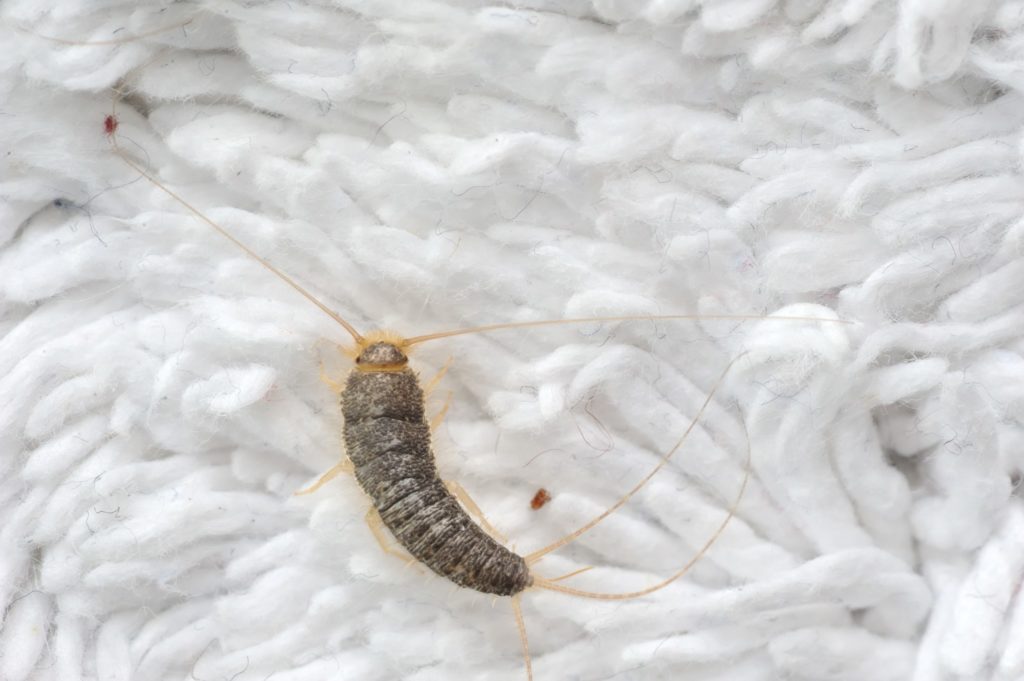
A closeup of a Silverfish bug on white carpet.

Before mating, the silverfish perform love dances. The male will lay a spermatophore, which is taken into the female’s ovipositor. Depending on the species, a female can lay anywhere from 2 to 20 eggs. The eggs can take 19-43 days to hatch, depending on climate and species.

They will deposit the eggs in cracks in the home or attic, making them difficult to spot. Silverfish are capable of producing eggs all year. 

Are They Harmful Or Cause Damage?

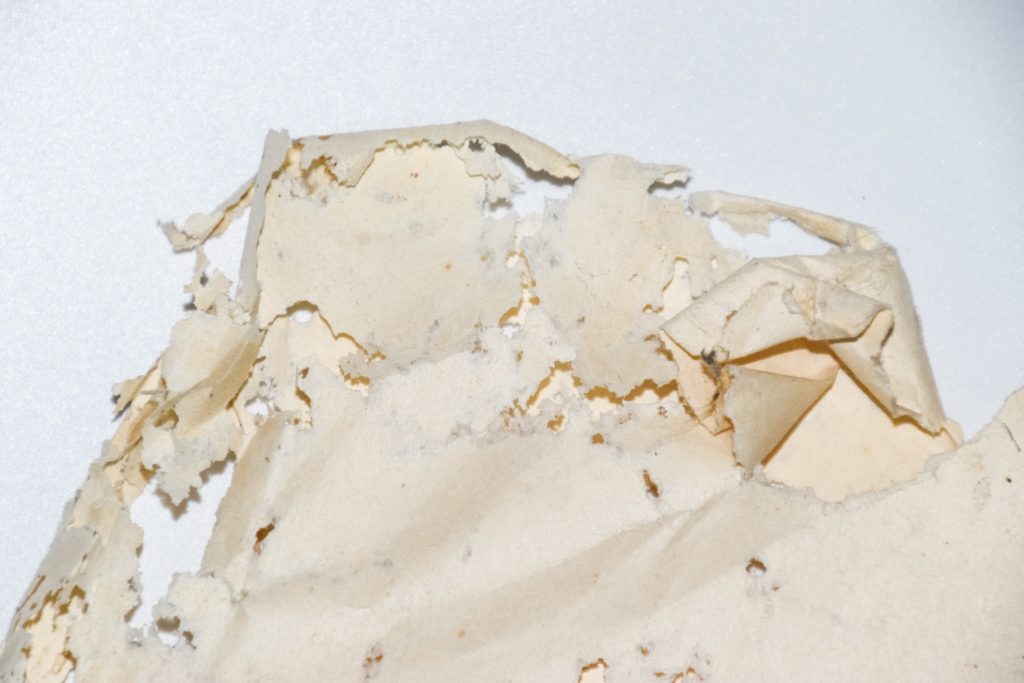
Damage caused by Silverfish bugs on a piece of paper.

The short answer to this question is yes. Silverfish are not poisonous nor carry any harmful diseases. Although, there is evidence that they can cause some people to experience reactions or allergies. 

A protein called tropomyosin found in their molted exoskeletons can cause an allergic reaction. You may find that you can be allergic to either their dry, molted skin or droppings. 

The most irritating part about silverfish is their destructive appetites. Silverfish thrive on a diet of carbohydrates, consisting of sugar and starches.

Their food sources will consist of cotton, linen, cellulose, paper, silk, and other dead insects. 

Silverfish do not discriminate when it comes to their food sources. You can find them in your pantry or tearing through your closet.

They will eat through the glue, book bindings, and pages of books and feast on clothing with natural fibers. Silverfish will not know the difference between a treasured book or piece of clothing from the toilet paper under your bathroom sink. 

How to Spot a Silverfish Infestation

A Silverfish infestation on a book.

The most common way people find out they have a silverfish infestation is finding one on their floor, bathtub, or sink. Another indicator of a silverfish infestation is damage from their feeding. 

You could also find traces of their tiny pepper-like droppings.

How to Prevent Silverfish

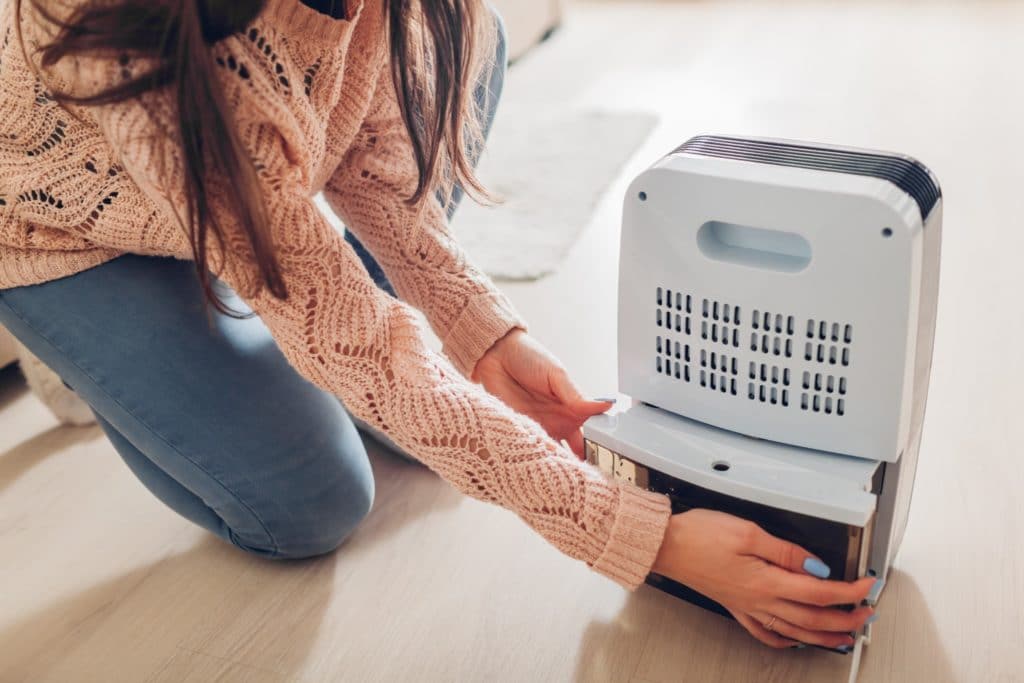
A woman setting up a dehumidifier to help prevent bug infestations.

Unfortunately, it can be easy for a Silverfish infestation to go unnoticed. They are quick-moving, nocturnal creatures. Their secretive habits and fast reproduction can allow an infestation to get out of hand quickly.  

You can take some precautions to prevent Silverfish from invading your home. 

  • Clean your floors and vacuum regularly to remove any leftover food crumbs. Food debris can become a potential feeding site. 
  • Store cereal or other grains in plastic containers to limit food sources
  • Reduce clutter within the home.
  • In crawl spaces, open vents to limit moisture build-up.
  • Utilize dehumidifiers in basements or humid areas
  • Clean your gutters and ensure water flows away from the house. 
  • Seal any cracks in the foundation where insects could enter.
  • Eliminate entry points by sealing or caulking doors, windows, and trim. 
  • Replace or repair broken or missing screens. 

What about Traps?

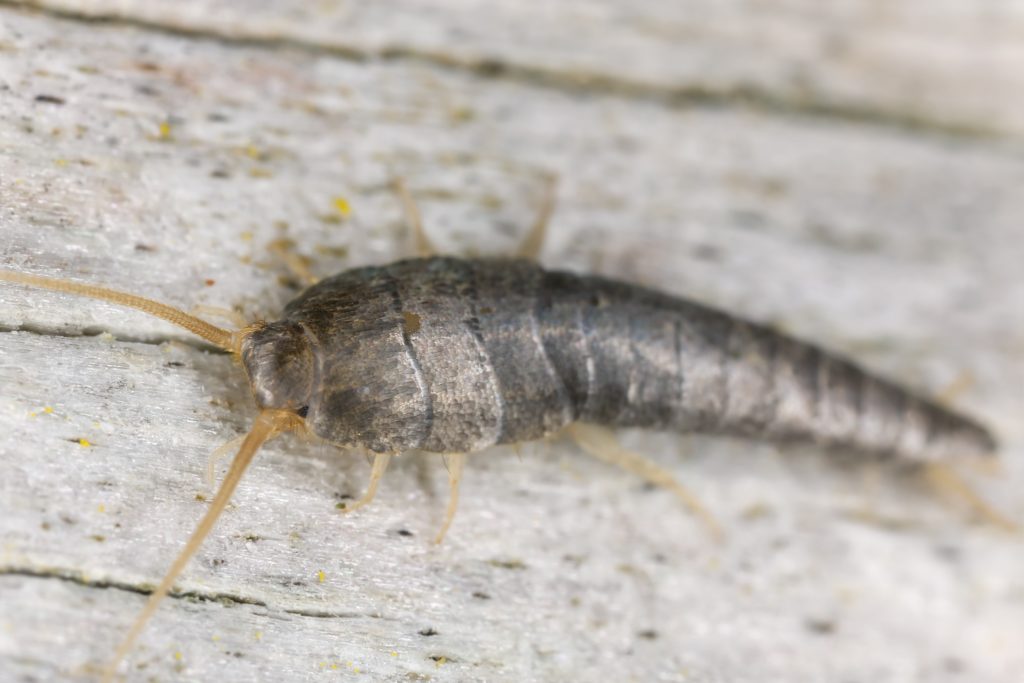
A close up shot of a silverfish bug so you can see the scales.

If silverfish have taken over your home, it is best to call a professional to create a plan to solve the infestation. Traps and store-bought insecticides will only kill the individual insects and not solve the widespread infestation.

The only way to rectify a silverfish infestation is to address the adults, offspring, and eggs. Many of the DIY methods falter over time, offering relief for a short time, followed by the infestation’s resurgence. 

The silverfish traps you find on the market can only target a few individual insects. They are not effective in trapping an entire population.

Environmental Pest Management Can Help

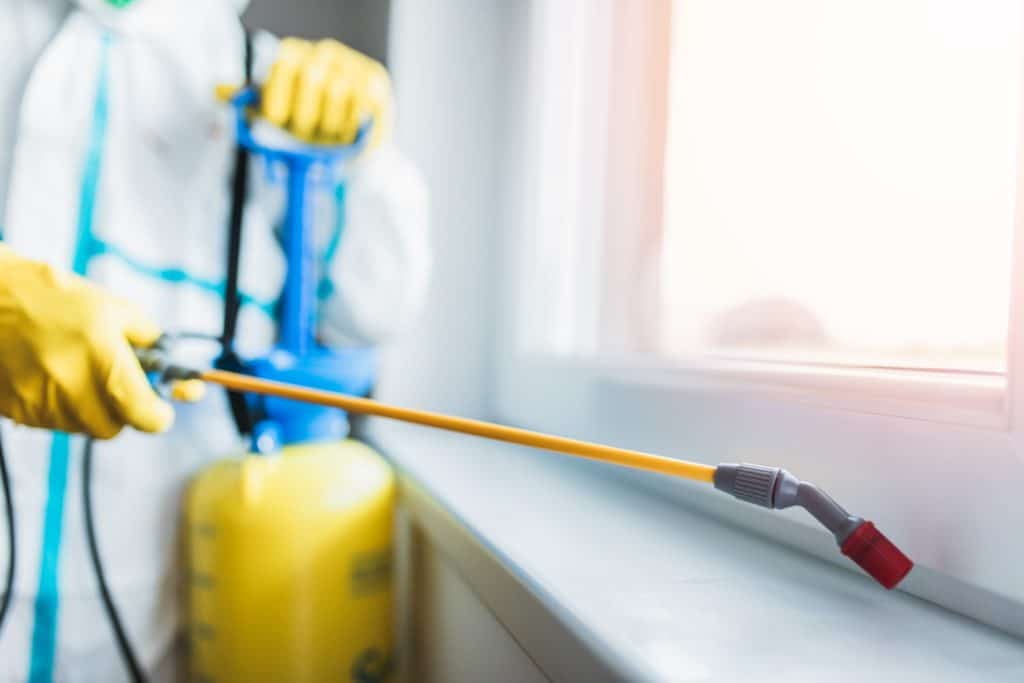
A pest control working spraying for bugs in a window sill.

At Environmental Pest Management, we use integrated pest control to solve your concerns. We will use a practical, environmentally safe approach that will be long-lasting and effective. 

Eliminating just the silverfish bugs will not provide a long-term solution. We will take care of the problem at its source: the eggs. 

We use our extensive knowledge of the pest’s life-cycle, habits, and feeding practices to treat your home. Your home will be pest-free and treated with environmentally conscious products.    

We work with you to develop a comprehensive pest management plan that will work best within your home. Contact us today for a free inspection.

It Really Stinks! How Do Stink Bugs Get in the House?

A stink bug on a white background

What’s that smell? It is the aroma of an unwanted house guest; you guessed it: a stink bug. So, how do stink bugs get in the house? Keep reading to find out how these stinky invaders are finding their way into your home. And, keep them outside with a few of these easy and natural tips. 

If you discover an on-going stink bug infestation that natural remedies aren’t solving, contact Environmental Pest Management for a free quote. We will evict the unwanted pests and solve the stink they’ve caused. 
The Stink Bug Origin Story

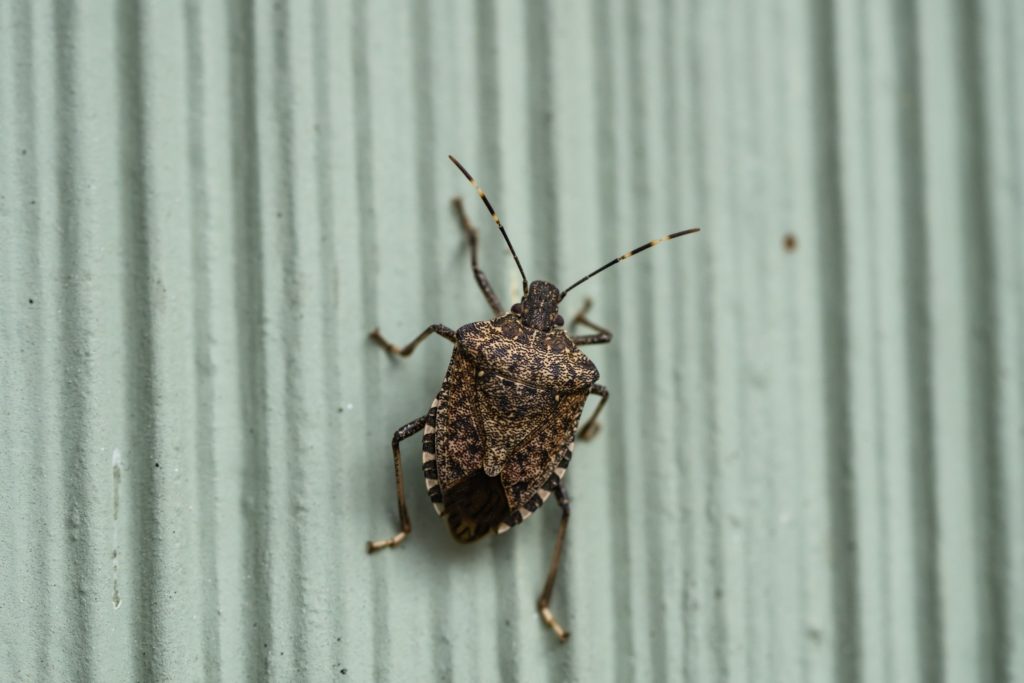
A Brown Marmorated Stink Bug on a house siding

Fittingly named for their brown marble pattern backs, the brown marmorated stink bugs (BMSB) are native to South-East Asia. These invasive hitchhikers found their way over to the United States from China, Korea, Japan, and Taiwan. 

In the late 90s, they appeared in the United States in Allentown, Pennsylvania. Since they’ve landed domestically, you can now find them crawling around most of the United States.

While they can be a major pest, they will not harm you or pose a threat to your health. However, when threatened or squashed, these pests release a nose-assaulting scent. They use the scent to fend off predators. 

Why They Come Inside

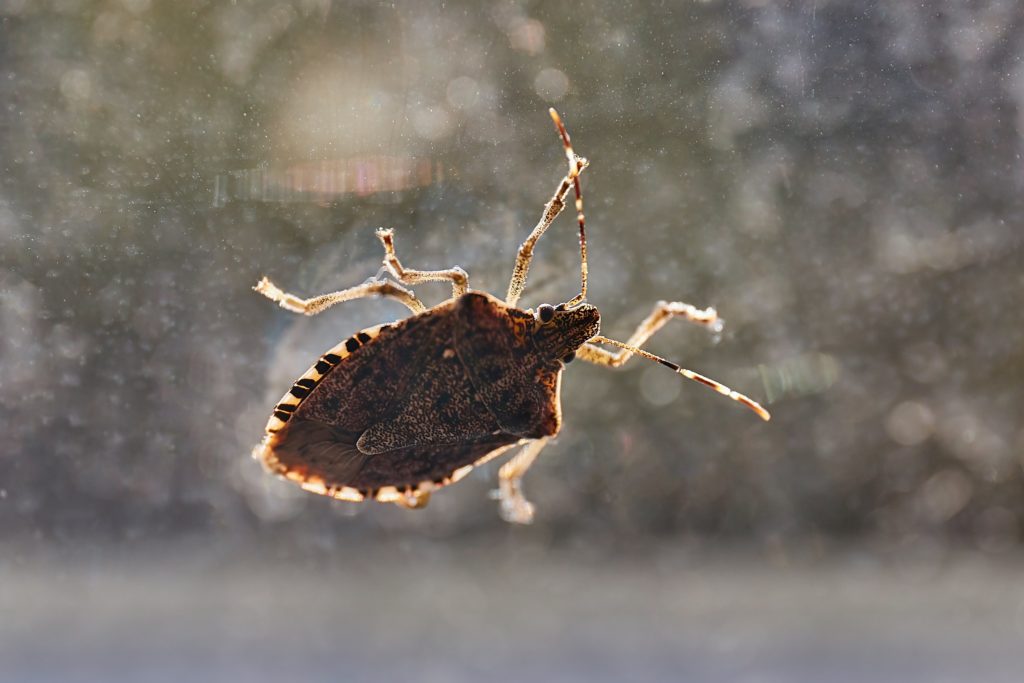
A stink bug in the house on the window.

Decreased temperatures and shortened fall days cause the brown marmorated stink bug to seek refuge for diapause. Diapause is a crucial component in their lifecycle where the adult stink bugs’ reproductive activity ceases.

They scout out the prime location for their overwintering, which usually tends to be inside your home. Once they’re nestled in, they release their pungent aroma to attract others to the location. 

While overwintering stink bugs can be a major buzz kill, you do not have to worry about them reproducing or causing damage to your home and valuables.

How Do Stink Bugs Get in the House?

A ripped screen could be how stink bugs get into the house.

Stink bugs will sneak into your home from any cracks and crevices they can find in window and door frames. They will scuttle in through any gaps or holes in the foundations or underneath your home’s siding.

You will mainly see an overwintering population in large structures located close to wooded areas, agricultural fields, gardens, and orchards. They can also occur in locations where there is a dense amount of ornamental plants that attract stink bugs.

Dealing with Stink Bugs

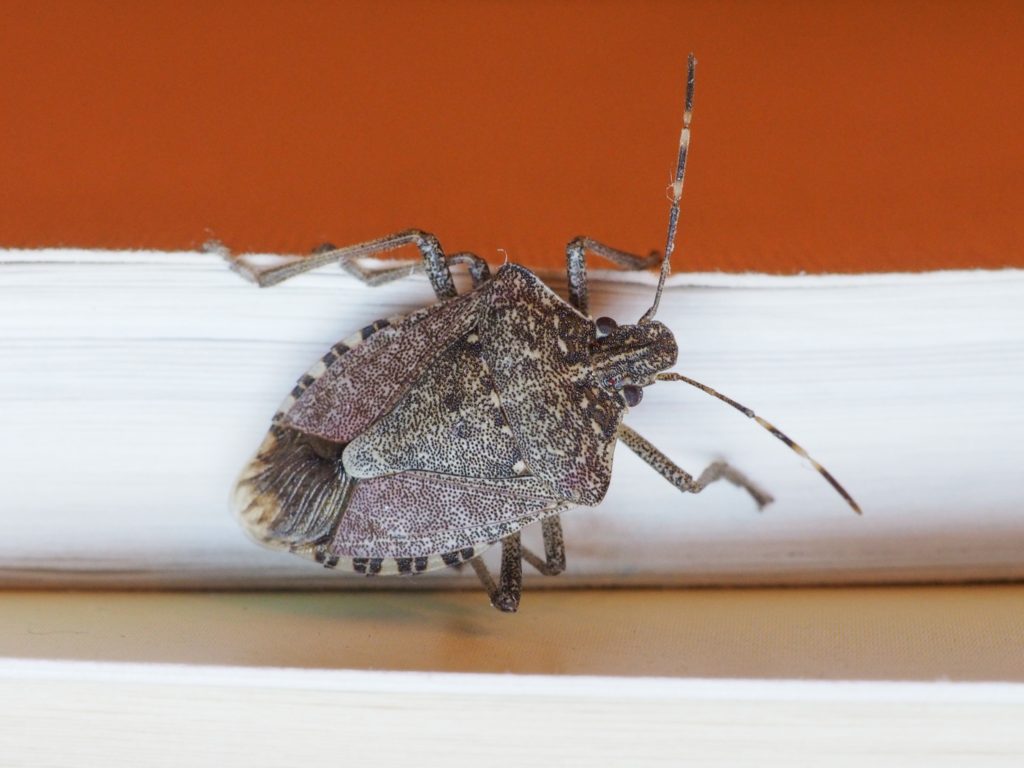
A stink bug on a baseboard in a home.

Once in the home, stink bugs generally hang out in tight spaces and upper floors. You may spot them tucked between your curtains and up along the top of the walls in your attic or upstairs bedrooms. 

Here are some different techniques you can use to make your home stink-bug-free. 

Prevention Methods

Seal points of entry 

Before the temperatures outside begin to drop, inspect the outside of your home. Search for any cracks that could be a potential entry point. Pay close attention to your home’s siding and utility pipes. 

Check behind your chimney and wooden facia. You can fill any holes or cracks with a quality silicone or silicone-latex caulk.

You can also install screens over your attic vents and chimney to reduce access. 

Repair or replace

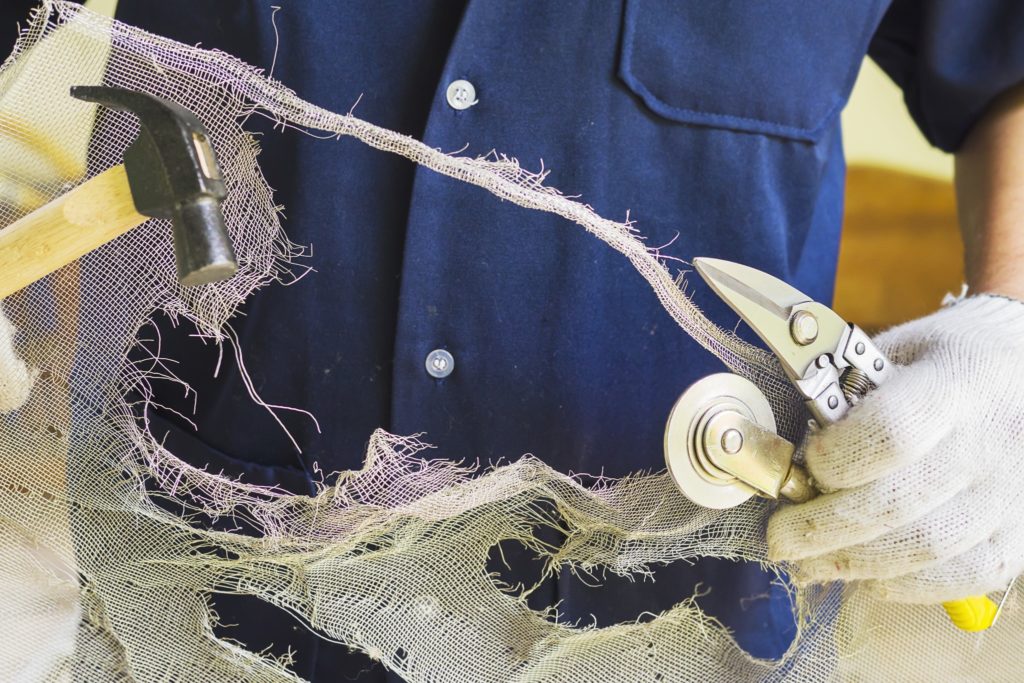
A repairman holding a ripped screen he replaced

Stink bugs are capable of entering your home from the smallest openings. It is crucial to repair or replace a damaged window or door screen. Be sure to look for any loose mortar or torn weather-stripping, too. 

Eliminate moisture

Check for moisture build-up around your home. Ensure that you do not have any clogged drains or leaking pipes. Eliminating any moisture build-up will help prevent many pest infestations. 

Proper ventilation

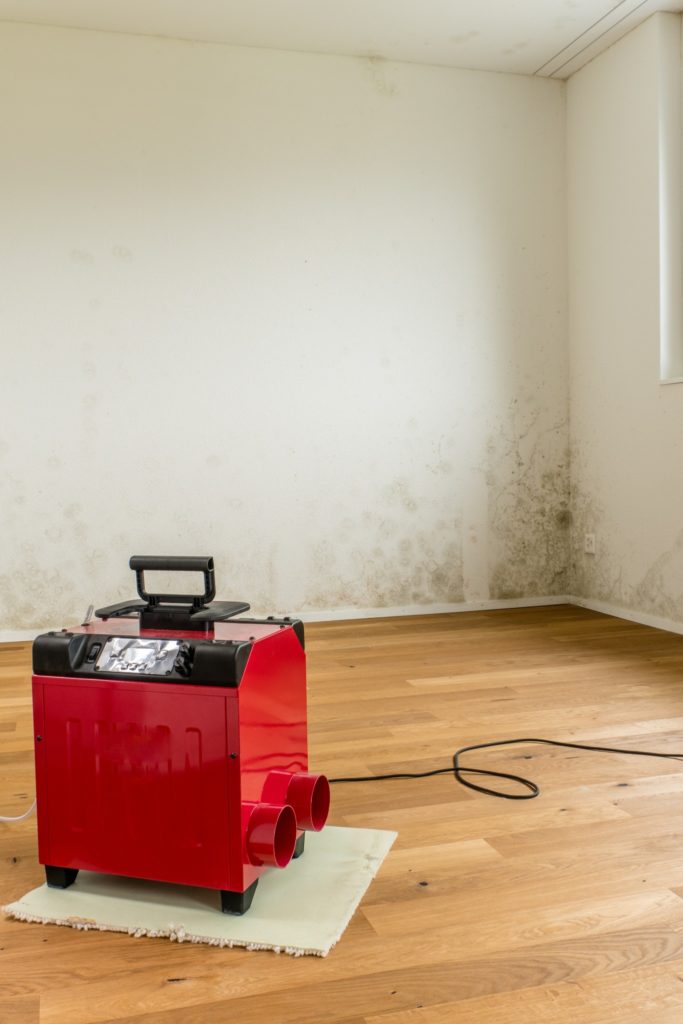
A red dehumidfier in a basement

Ensure that your basements, garages, attics, and crawl spaces get plenty of dry air. Doing so can help reduce the amounts of refuge spots. You can also look into using dehumidifiers in these areas.

Lights out

Like a majority of bugs, stink bugs are attracted to lights. Try to keep your outdoor lighting minimal. In the evenings, you can turn off outdoor lights when not in use and pull the blinds to prevent indoor lighting from spilling outside. 

What if they’re still getting inside?

If you notice they’re still getting into the home, here are some preventative measures you can take within the home.

Neem Oil 

Neem oil in a brown glass bottle, perfect for deterring stink bugs

Neem oil comes from a common South Asian, and Indian ornamental shade tree called a Neem tree (Azadirachta indica). The plant-based oil works as a natural insecticide by interfering with the stink bug’s instinctual overwintering behaviors.

Since the oil affects stink bugs’ natural process, it can take up to a week for the oil to take effect. Combine 2 tablespoons of neem oil with 32 ounces of water in a spray bottle. Spray all entry points such as windowsills and infested areas. 

Mint Essential Oil

Freshen your home while combating stinky pests. Combine ten drops of mint essential oil and 16 ounces of water. Mist solution on windowsill and doorways to deter entry.       

Garlic Spray

Mix 4 teaspoons of garlic powder or a few crushed garlic cloves with 16 ounces of water. Liberally spray on any entry points where stink bugs are entering your home. 

Hang up Fly Tape

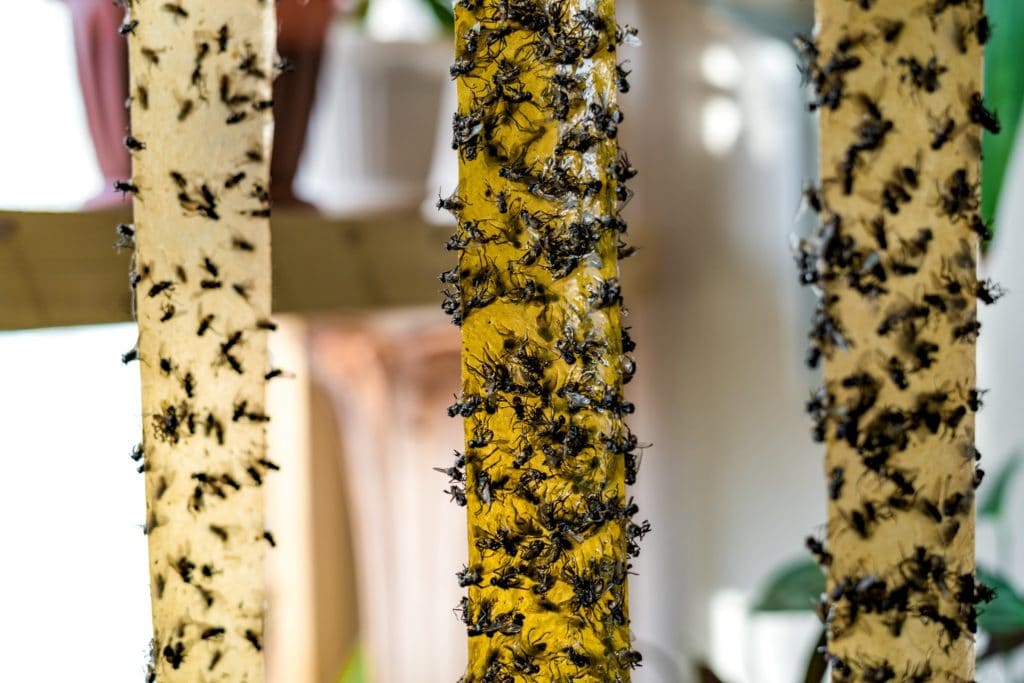
Flies trapped on fly tape.

Hanging fly tape near windows and doorways will catch these pesky stinkers. You may find it an unattractive method, but it’s simple and effective.

Utilize Dryer Sheets

You might have a box or two of these already lying around. Stink bugs are offended by the odor of dryer sheets. You can use them to wipe down window sills, screens, and doorways to ward them off. 

Pull out the Vacuum 

A woman in socks vacuuming up stink bugs in her house

For larger infestations, you can use a vacuum cleaner to suck the crawlies up. This method is best if you have a bagged vacuum cleaner. You’ll want to throw out the bag immediately once finished. That way, you keep from gassing out the entire family with the aroma of stink bugs.  

Stay Away from Chemical Ridden Insecticides 

Woman spraying chemicals to kill bugs

While it may be the easy to grab any generic chemical-filled insecticide, this is not the best option. These chemicals can also pose risks to children and pets and harm the environment.

There are very few that do the job properly. If your chosen chemicals manage to work, the bug corpses can attract new bugs to feast. 

Too Stinky of a Job?

A pest control worker spraying for stink bugs

No longer will you be asking yourself, “how do stink bugs get in the house?” but knowing the answer doesn’t solve the problem at hand. 

Call Environmental Pest Management for a free quote. We have decades of experience with stink bugs and crawlies of all kinds.
We will come to your home and use Integrated Pest Management, which means we solve the problem using environmentally safe products. We work diligently to provide you and your family with long term and safe solutions.