
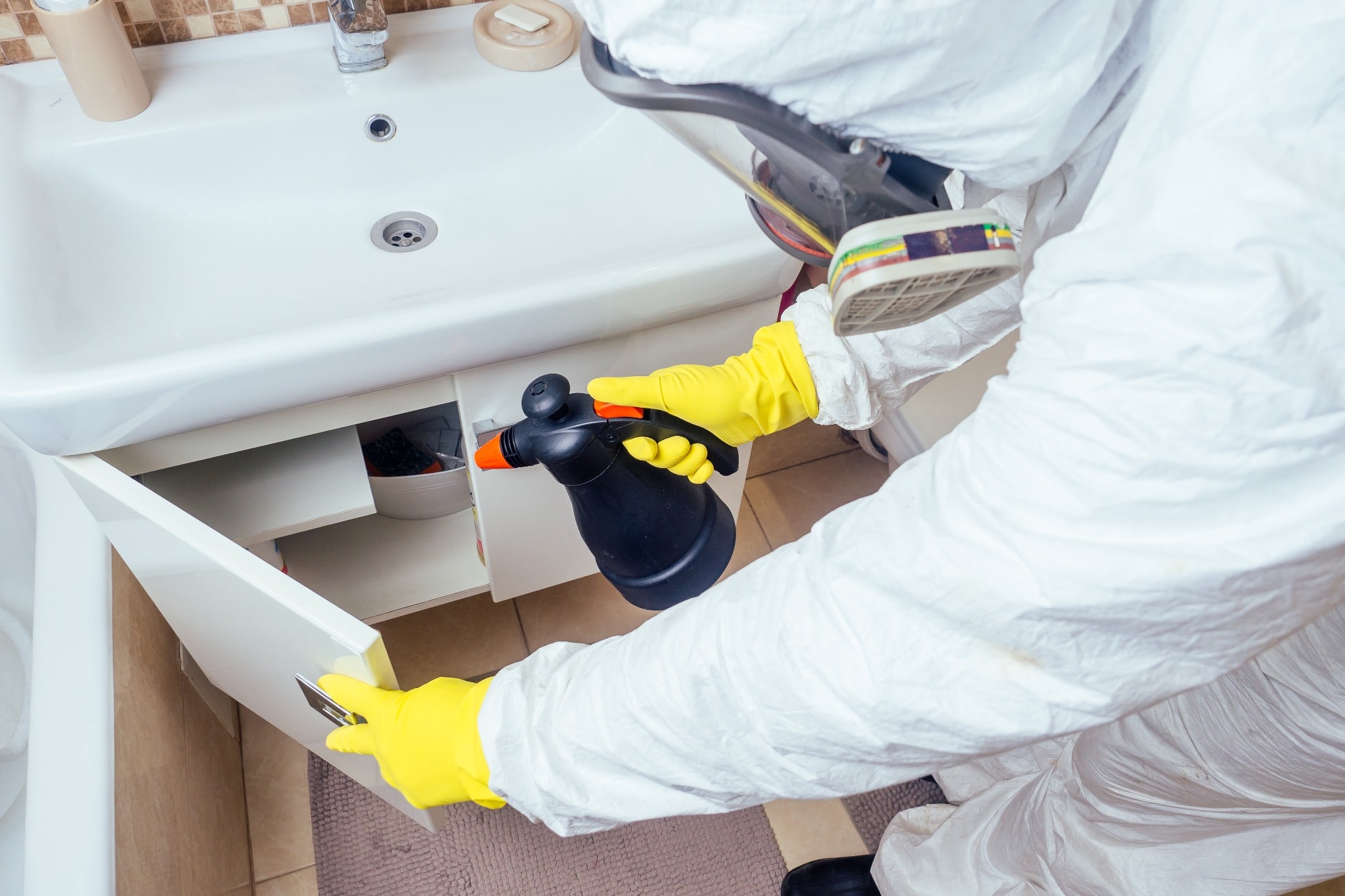
If you own a home in Stillwater, you’ve probably noticed that pest problems here aren’t always random. The mix of river valley moisture, changing Minnesota seasons, mature neighborhoods, and older housing stock creates ideal conditions for a wide range of unwelcome visitors. From ants in the kitchen to mice in the garage and wasps under the eaves, many stillwater mn pest issues follow pretty predictable patterns.
This guide breaks down the common pests in Stillwater homes, where they tend to show up, what warning signs to watch for, and what you can do to lower your risk. If you’re trying to stay ahead of household pests Stillwater homeowners deal with every year, this is a practical place to start.
Why Pest Problems Are Common In Stillwater Homes
Stillwater homes deal with a combination of conditions that pests love: moisture, shelter, food, and seasonal temperature swings. And because homes here range from historic properties near downtown to newer developments on the edges of town, pest pressure can look a little different from one neighborhood to the next.
Some infestations start outside and move in when the weather changes. Others begin because of hidden moisture, foundation gaps, attic voids, or cluttered storage spaces. Either way, common pests in Stillwater tend to take advantage of the same basic vulnerabilities.
Seasonal Weather Patterns And River Valley Conditions
Stillwater’s location near the St. Croix River matters more than many homeowners realize. River valley humidity, spring rain, summer heat, and long winters all shape pest activity. Ants often become more visible in spring and summer when colonies expand. Wasps build aggressively during warm months. Rodents start looking for indoor shelter as temperatures drop in fall.
Seasonal invaders are especially common in Minnesota because pests are constantly adapting to the weather. A wet spring can boost insect activity around foundations. A hot, dry stretch may drive ants and spiders indoors in search of water. Then, once cooler air arrives, boxelder bugs, Asian lady beetles, stink bugs, and mice start testing your home for entry points.
Older Homes, Moisture, And Entry Points
Stillwater has plenty of beautiful older homes, and while they bring character, they can also come with gaps, settling cracks, aging weatherstripping, and less-than-perfect ventilation. Even newer homes aren’t immune. Tiny openings around utility lines, garage doors, soffits, and windows can be enough for pests to get inside.
Moisture is another major factor. Damp basements, crawl spaces, leaky hose bibs, clogged gutters, and condensation around plumbing can attract ants, spiders, and wood-damaging pests. If you’ve got mulch against the foundation, firewood stacked too close to the house, or overgrown shrubs touching siding, you may be making access easier without realizing it.
That’s why many stillwater homeowners see recurring pest activity even when they keep a clean house. Cleanliness helps, of course, but exclusion and moisture control matter just as much.
The Most Common Household Pests In Stillwater
The most common pests in Stillwater aren’t all equally destructive, but they can all become frustrating fast. Some are mostly nuisance pests. Others can damage wood, contaminate food, or create safety concerns around your home.
Ants, Spiders, And Occasional Invaders
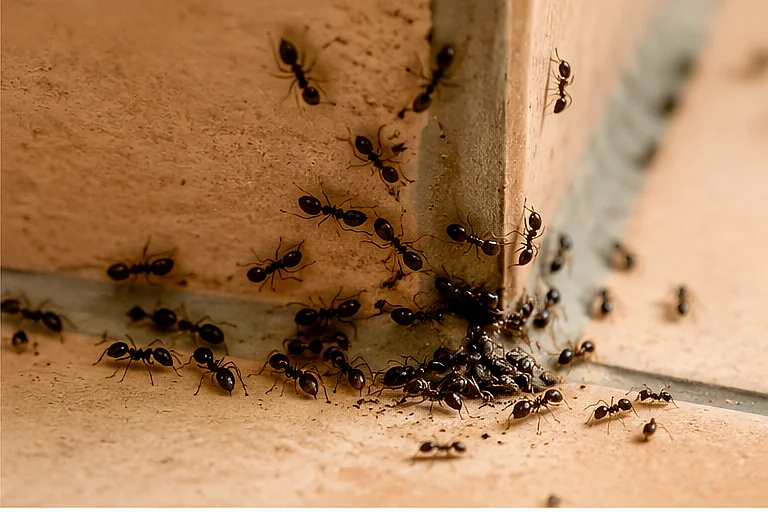
Ants are among the most common pests in Stillwater MN homes. You may see small pavement ants around walkways and foundations, odorous house ants in kitchens, or larger carpenter ants around damp wood. When ants find moisture and food indoors, they rarely stop at one or two.
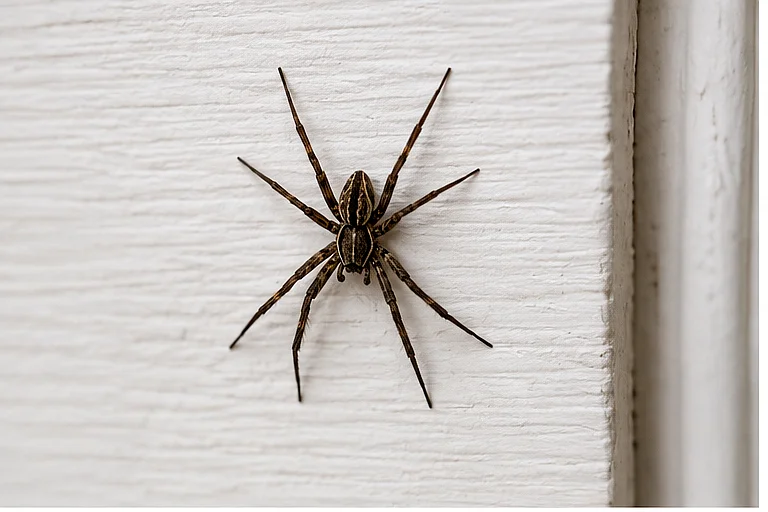
Spiders are another regular concern, especially in basements, garages, storage areas, and quiet corners of the home. Most spiders in Minnesota are more of a nuisance than a serious threat, but their presence often signals that other insects are available as a food source.
Occasional invaders show up in waves. Boxelder bugs, multicolored Asian lady beetles, and stink bugs often gather on sunny exterior walls before moving indoors through cracks and gaps. Once inside, they cluster around windows, attics, and wall voids. These pests usually don’t damage your home, but they’re persistent and unpleasant to deal with.
Rodents, Wasps, And Overwintering Pests
Mice are one of the biggest household pests Stillwater residents face when temperatures cool down. House mice can squeeze through surprisingly small gaps and quickly settle into attics, basements, garages, and wall voids. You might hear scratching at night, notice droppings in storage areas, or find chewed packaging in the pantry.
Wasps also become a serious issue during warmer months. Paper wasps and yellowjackets commonly build nests under eaves, inside soffits, around decks, in sheds, and sometimes in wall voids. Late summer tends to be when homeowners notice them most, because colonies are larger and activity is more aggressive.
Overwintering pests deserve a separate mention because they’re so common in Minnesota. As fall arrives, insects look for protected places to ride out the cold. If your home has easy access points, they’ll use them. By winter, you may find them around light fixtures, windows, or upper-floor rooms on warmer days.
Termites, Carpenter Ants, And Other Wood-Damaging Pests
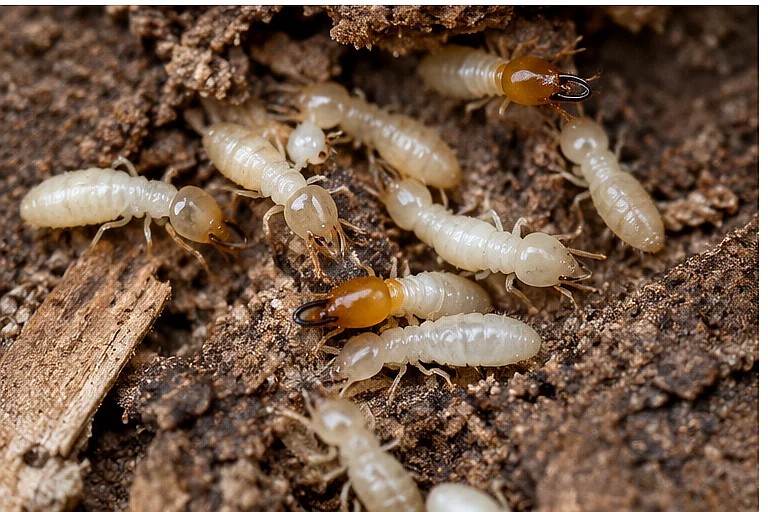
While termites are not always the first pest homeowners think about in Minnesota, they still deserve attention. Subterranean termites can cause significant structural damage before they’re discovered, especially when moisture issues are present. Mud tubes, soft wood, and blistering surfaces are signs worth taking seriously.
Carpenter ants are often more common than termites in this region and are frequently mistaken for them. Unlike termites, carpenter ants don’t eat wood for nutrition, but they do tunnel through it to create nesting galleries. Homes with water-damaged trim, damp window frames, or aging decks are more vulnerable.
Other wood-damaging pests can include carpenter bees in certain situations, though they’re less commonly discussed than ants and termites. The bigger point is this: if you’re seeing sawdust-like material, hollow-sounding wood, or recurring large ants indoors, it’s smart to investigate early.
If you want a broader look at local treatments and recurring pest patterns, this article should naturally support your main Stillwater pest control page as well as related service pages for ants, rodents, wasps, and termite control.
Warning Signs Of Pest Issues In Your Home
A lot of stillwater mn pest issues are easier to solve when they’re caught early. The problem is that many pests stay hidden until the infestation is more established. That’s why small clues matter.
Look for:
- Droppings in pantries, basements, attics, or along baseboards
- Gnaw marks on food packaging, wood, or wiring
- Rustling or scratching sounds in walls or ceilings
- Ant trails near sinks, dishwashers, pet bowls, or foundation walls
- Spider webs building up in corners, basement ceilings, or garage windows
- Wasp activity near rooflines, deck rails, sheds, or play structures
- Piles of wings, frass, or sawdust-like debris near wood trim
- Bugs gathering around sunny windows or light fixtures in fall and winter
Where Stillwater Homeowners Most Often Find Activity
In many homes, the first signs show up in predictable places. Basements are a major hotspot because they’re cooler, darker, and often more humid than upper floors. Garages are another common problem area, especially if weatherstripping is worn or clutter gives rodents a place to hide.
Kitchens and bathrooms attract pests because they provide food and water. Attics become more active in fall and winter when rodents move in for warmth. Exterior areas matter too: around foundation plantings, beneath porches, under decks, near wood piles, and along fence lines.
For Stillwater homeowners, it’s worth paying special attention to transitions between indoors and outdoors. Door thresholds, utility penetrations, window frames, chimney flashing, and roof edges are some of the most overlooked access points.
How To Reduce Pest Problems Around Your Property
Good pest prevention is mostly about making your home less convenient. You’re trying to remove easy access to food, water, and shelter before a minor issue turns into a larger one.
Seal Entry Points And Control Indoor Moisture
Start with exclusion. Seal cracks around the foundation, repair torn screens, replace worn door sweeps, and close gaps where pipes or cables enter the house. Even small openings can be enough for ants, spiders, and mice.
Then focus on moisture. Fix plumbing leaks promptly, use a dehumidifier in damp basement spaces, and make sure bathrooms and laundry areas are ventilated well. Clean gutters, extend downspouts away from the foundation, and check that water isn’t pooling near the home after rain.
Food storage matters too, especially for ants and rodents. Store pantry items in sealed containers, clean crumbs from under appliances, and avoid leaving pet food out overnight.
Yard Cleanup, Storage Habits, And Minnesota Pest Prevention
Outside, trim shrubs and tree limbs away from siding and rooflines. Keep mulch from building up too heavily against the foundation, and store firewood well away from the house when possible. Remove leaf litter and yard debris that create protected harborage.
If you use sheds or garages for storage, keep boxes off the floor and reduce clutter. Cardboard, fabric piles, and undisturbed corners make ideal shelter for mice and spiders.
Minnesota pest prevention also means thinking seasonally. In spring, inspect for ant activity and moisture problems. In summer, monitor wasp nesting areas. In fall, seal exterior gaps before rodents and overwintering insects begin moving inside. In winter, keep watch in attics, basements, and utility spaces where hidden activity can continue.
For homeowners dealing with recurring problems, it can help to explore service-specific resources like ant control, rodent control, or wasp nest removal, depending on what you’re seeing around the property.
When To Call For Professional Help
DIY steps can absolutely help with light pest activity, but there are times when professional help makes more sense. If you’re seeing repeat infestations, hearing rodents in the walls, finding active wasp nests near entryways, or noticing possible termite or carpenter ant damage, it’s time to bring in an expert.
Professional pest control is especially useful when:
- The source of the infestation is hidden
- Store-bought products aren’t solving the problem
- Pests keep returning every season
- There may be structural damage or safety concerns
- You want a prevention plan tailored to your home
A local provider will understand common pests in Stillwater, typical seasonal pressures, and the housing conditions that make certain infestations more likely. If you need help evaluating activity in and around your home, your main Stillwater location page is the natural next step.
Conclusion
The common pests in Stillwater MN homes aren’t limited to one season or one type of property. Whether you live in an older home near downtown or a newer house in a growing neighborhood, ants, spiders, rodents, wasps, and other seasonal invaders can find their way in if conditions are right.
The good news is that early attention goes a long way. If you stay alert to warning signs, manage moisture, seal entry points, and keep outdoor conditions in check, you can reduce a lot of the pest pressure that affects Stillwater homeowners each year. And when the problem keeps coming back, getting professional guidance can save you time, frustration, and repair costs later.