
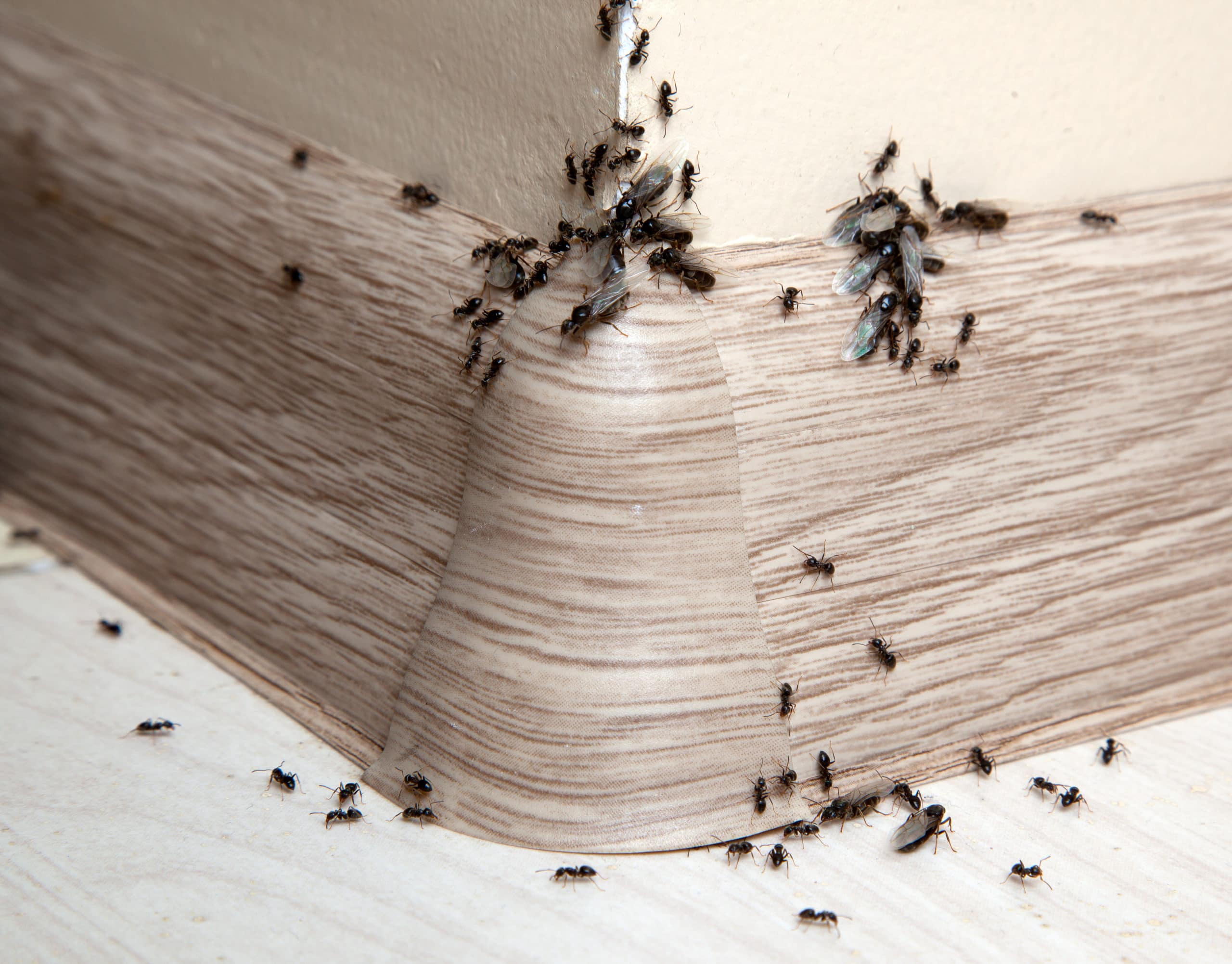
If you’ve wiped up ants, sprayed the counter, and thought the problem was gone, only to see them marching back two days later, you’re not imagining it. Most ant problems keep returning because the visible ants are only a small part of the colony. Surface sprays may kill a few workers, but they usually don’t reach the nest, the queen, or the reason ants came inside in the first place.
This guide breaks down how to get rid of ants in the house with practical steps that actually work. You’ll learn how to find where they’re coming from, remove what’s attracting them, choose the right treatment, and prevent another ant infestation from taking hold. And if the problem is bigger than a DIY fix, you’ll know when professional ant control is the smarter move.
Identify Where The Ants Are Coming From
Before you treat anything, figure out whether you’re dealing with ants foraging from outside or nesting indoors. That matters because the best fix depends on the source. If you skip this step, you can waste time treating the wrong area while the colony keeps feeding.
Spot Common Entry Points Around The House
Ants usually enter through the smallest openings. Check:
- Window frames and sliding door tracks
- Gaps around plumbing and utility lines
- Cracks in foundations or mortar joints
- Baseboard gaps and wall penetrations
- Areas where tree branches or shrubs touch the house
Look closely near kitchens, bathrooms, laundry rooms, and garages. These spaces often provide both moisture and food. If you spot a steady line of ants entering near one seam or crack, that’s a strong clue you’ve found an access point.
Follow Ant Trails In The House To Find The Source
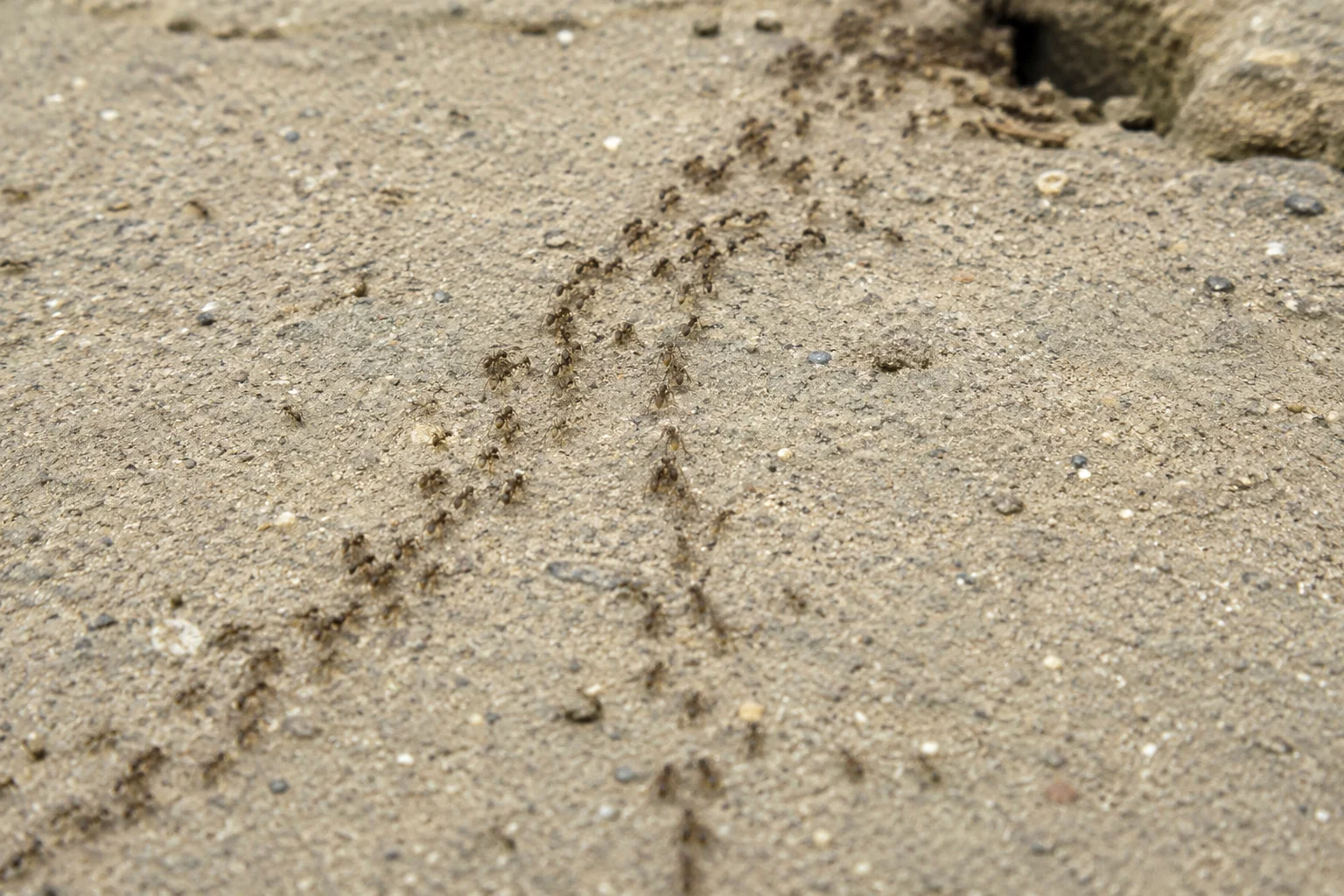
One of the most useful ant control tips is simple: don’t disturb the trail too early. Ants leave pheromone trails that guide the rest of the colony to food. If you follow ant trails in the house, you can often trace them back to:
- A spill behind an appliance
- Pet food tucked in a corner
- A wall void or cabinet gap
- A doorway or window edge leading outside
Watch where the ants are headed, not just where you first noticed them. A trail across the counter may actually start behind the dishwasher or beneath the sink.
Tell The Difference Between Indoor Nesting And Outdoor Foraging
Outdoor foraging ants usually appear in clear trails and travel to and from one access point. Indoor nesting ants are more likely to appear scattered in multiple rooms, around moisture sources, or near wall voids.
Signs of indoor nesting can include:
- Ants showing up even when no food is left out
- Activity near damp wood, plumbing leaks, or bathroom walls
- Repeated sightings in the same room regardless of cleaning
If ants only appear after a rainstorm, during extreme heat, or around a food source, they may be coming from an outdoor colony. But if you keep seeing them in the same interior area, there’s a good chance the nest is much closer than you think.
Clean Up What Is Attracting Ants
Ants come inside for three things: food, water, and shelter. Even a clean-looking home can have enough residue to support a steady stream of foragers. Cleaning alone may not eliminate an active ant infestation, but it removes the reward that keeps sending ants back.
Remove Food, Water, And Sticky Residue In Problem Areas
Focus on hidden messes, not just obvious crumbs. Ants are drawn to tiny sugar films, grease splatter, and moisture around fixtures.
Clean these overlooked spots:
- Under toasters, coffee makers, and microwaves
- Around trash can rims and cabinet handles
- Beneath sinks and around leaking shutoff valves
- Floor edges near baseboards and appliances
- Beverage spills on pantry shelves
Use soap and water or a mild household cleaner to wipe away residue and erase scent trails. That last part matters. If the pheromone trail remains, more ants may continue to follow it even after the food is gone.
Focus On Ants In The Kitchen, Pantry, And Pet Feeding Areas
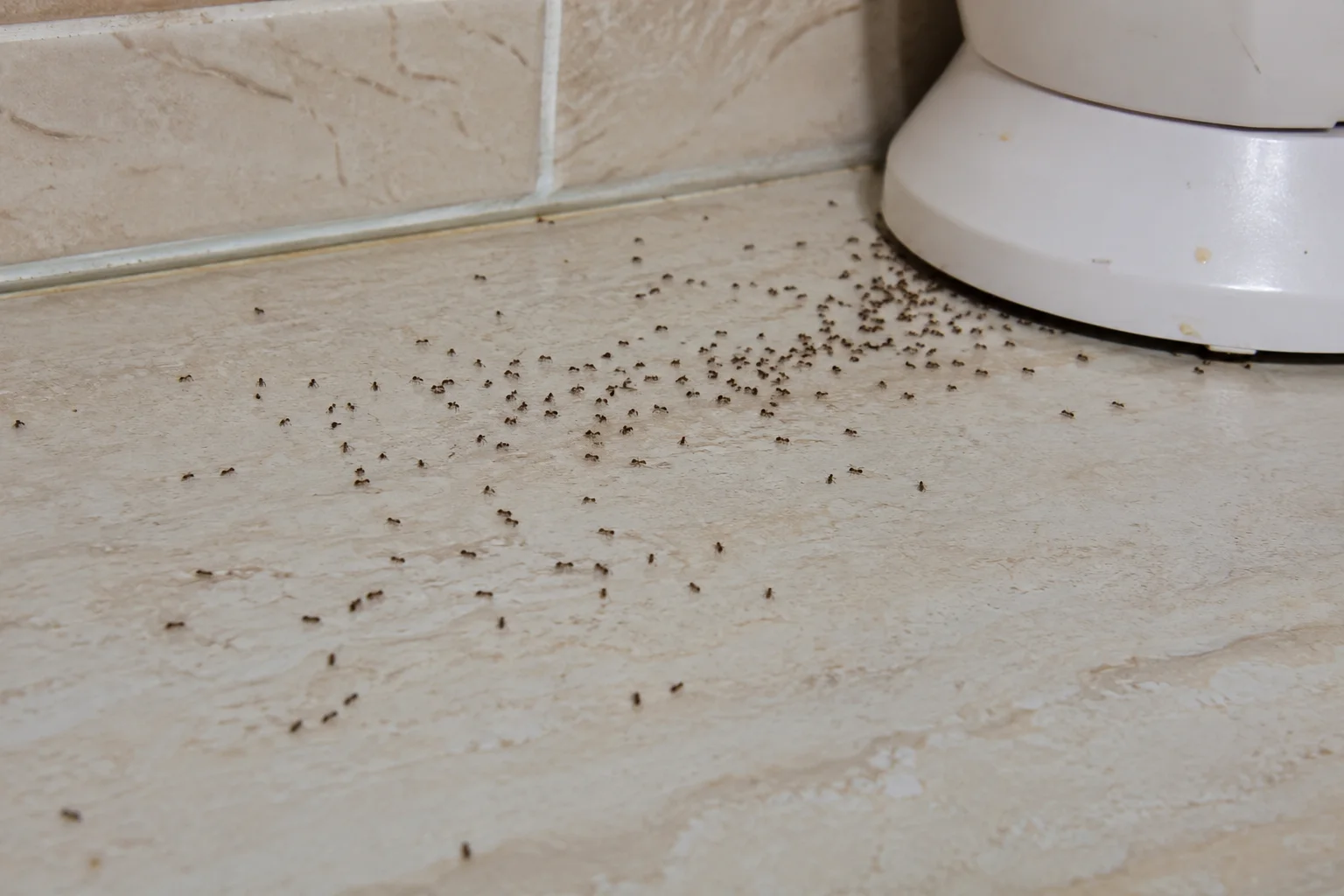
Ants in kitchen spaces are especially common because there’s a constant mix of food particles, water, and warmth. Start where they’re most likely to feed:
- Pantry shelves with sugar, cereal, or baking ingredients
- Counter areas near fruit bowls and coffee supplies
- Pet bowls, feeding mats, and food storage bins
- Recycling containers with soda or juice residue
If you free-feed pets, pick up bowls between meals when possible. Wipe the area underneath, too. A ring of dried gravy or a few pieces of kibble can be enough to keep a trail active.
Store Food Properly To Prevent Reinfestation
Once ants find a food source, they recruit more workers quickly. Prevention gets easier when you cut off access completely.
Use these habits:
- Transfer dry goods into sealed containers
- Keep ripe fruit in the refrigerator when ants are active
- Don’t leave baked goods or snacks loosely wrapped on counters
- Rinse recyclables before placing them indoors
- Empty indoor trash regularly
If you’re serious about how to get rid of ants, storage matters more than most people expect. Ants are persistent. If they keep finding easy calories, they’ll keep testing the same areas.
Use The Right Ant Treatment For Your Situation
This is where many DIY attempts fail. Spraying visible ants feels productive, but in many cases it only kills the workers you can see. The colony survives, the queen keeps producing more ants, and the problem returns.
When To Use Ant Baits Instead Of Sprays
Baits are often the most effective option for a typical household ant infestation because worker ants carry the product back to the colony. That allows the treatment to reach ants you’ll never see directly.
Baits usually make more sense when:
- You can see active trails
- Ants are repeatedly returning to the same room
- You suspect the nest is in a wall void, under flooring, or outdoors nearby
Sprays can be useful for immediate knockdown in limited situations, but they often interfere with baiting. If you spray the trail first, you may prevent workers from carrying bait back to the nest.
How To Place Baits Along Ant Trails Without Scattering The Colony
Placement matters as much as product choice. Put bait where ants are already traveling, but in a spot protected from kids, pets, and cleaning.
Best practices:
- Place small amounts close to active trails, not directly on food-prep surfaces
- Use multiple bait placements for larger infestations
- Avoid spraying cleaners over the bait area
- Be patient for several days while ants feed and transport the bait
You may see more ants at first. That’s normal. It often means the bait is working and attracting workers. Resist the urge to wipe them out immediately unless the product instructions say otherwise.
Safe Indoor Treatment Options For Homes With Kids Or Pets
If you have children or animals at home, focus on treatments that reduce open exposure.
Safer options can include:
- Enclosed bait stations placed in inaccessible areas
- Crack-and-crevice treatments labeled for indoor residential use
- Targeted gel baits applied in hidden spots such as under appliances or inside voids
Always follow the product label exactly. “More” is not better, and mixing products can reduce effectiveness or create safety problems. If you’re uncomfortable placing treatment in sensitive areas, that’s a good sign it may be time for professional ant control.
Seal Entry Points And Block Future Access
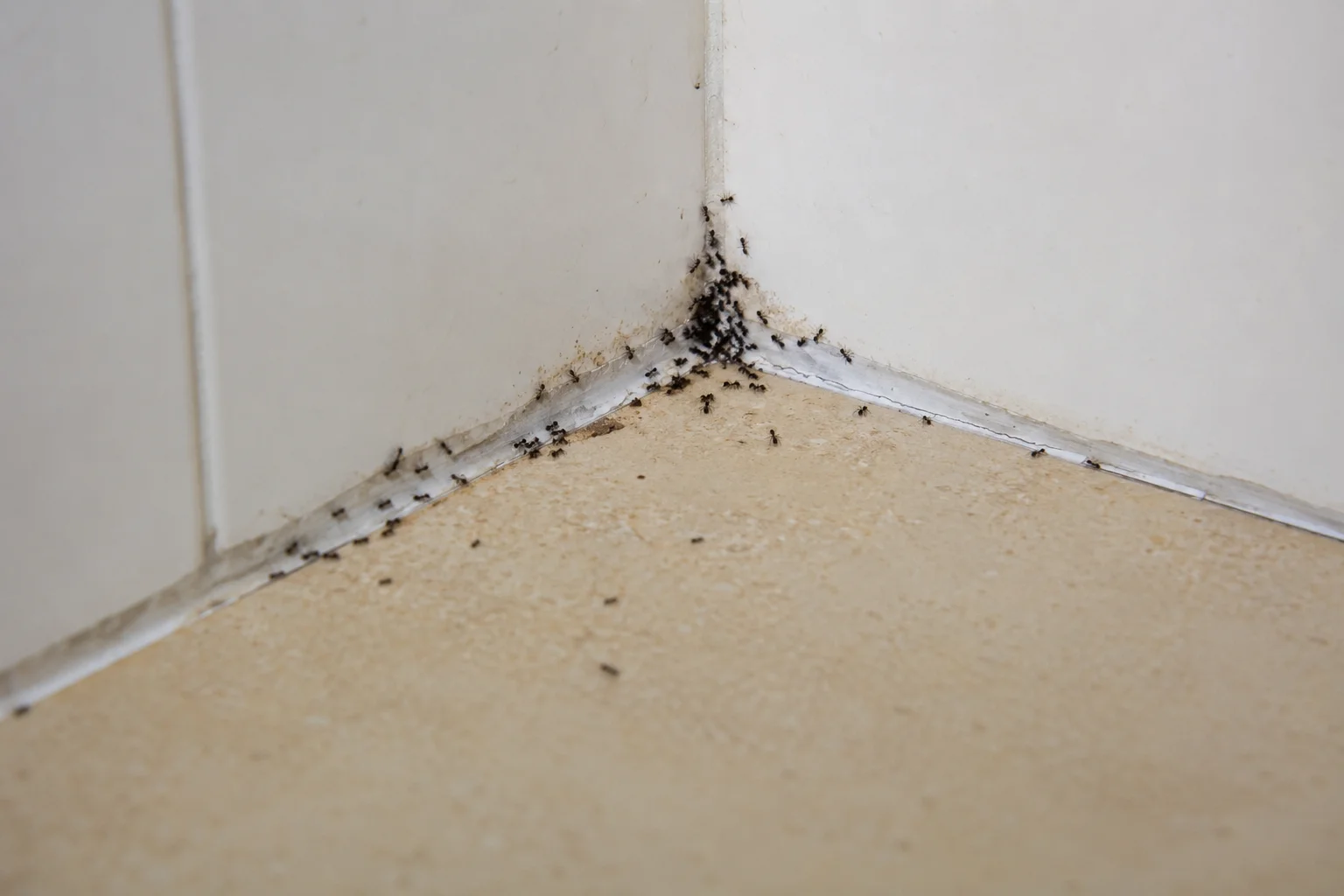
Even the best treatment won’t hold up if ants can keep walking in through the same gaps. Exclusion helps stop new foragers from replacing the ones you’ve already eliminated.
Caulk Cracks, Gaps, And Baseboard Openings
Once activity slows, seal the openings you found during inspection. Good targets include:
- Gaps around window frames
- Cracks where baseboards meet the wall or floor
- Pipe penetrations under sinks
- Utility entry points in garages or laundry rooms
Use caulk for small cracks and appropriate sealants for larger penetrations. The goal is simple: remove easy access.
Fix Moisture Problems Around Sinks, Windows, And Pipes
Many species are drawn to damp areas. If moisture is present, ants may keep exploring even when food is limited.
Check for:
- Drips under sinks
- Condensation around windows
- Leaky supply lines or drain pipes
- Damp wood near tubs or exterior doors
Repairing leaks and drying problem areas makes your home less attractive. It also helps prevent conditions that support indoor nesting.
Trim Outdoor Plants And Reduce Contact With The House
Ants often use landscaping as a bridge to your home. Shrubs, mulch beds, stacked firewood, and tree limbs can all help them move closer to entry points.
To reduce access:
- Trim branches away from siding and rooflines
- Keep mulch from piling against the foundation
- Move firewood and stored materials away from the house
- Reduce dense groundcover touching exterior walls
This won’t eliminate a colony by itself, but it makes reinvasion less likely and supports the rest of your treatment plan.
Prevent Another Ant Infestation With Simple Habits
Long-term ant control usually comes down to consistency. A few small habits done every week are far more effective than a big cleanup after ants are already back.
Build A Weekly Cleaning Routine That Discourages Ants
You don’t need an extreme routine. You need a reliable one.
A practical weekly checklist:
- Wipe counters and backsplash edges
- Vacuum under dining tables and along baseboards
- Clean under small kitchen appliances
- Check under sinks for leaks or residue
- Sweep pantry shelves and discard old crumbs
This matters because ants don’t need a major mess. They just need one repeat food source.
Use Practical Ant Control Tips For Trash, Recycling, And Crumbs
Trash and recycling often fuel recurring activity more than people realize.
Try these simple fixes:
- Use trash cans with tight-fitting lids
- Take out garbage before it overflows
- Rinse bottles, cans, and jars before recycling
- Clean around trash bins regularly
- Don’t let crumbs collect in couch cushions, pet areas, or under stools
These are basic ant control tips, but they solve a surprising number of repeat problems.
Monitor High-Risk Areas Before Ants Return
The best time to catch an ant problem is when the first few scouts show up, not after full trails form.
Keep an eye on:
- Window sills in spring and summer
- Sink bases and dishwasher gaps
- Pantry corners and pet feeding stations
- Exterior doors after heavy rain or heat waves
If you spot a few ants, inspect immediately. Early action is faster, cheaper, and much easier than dealing with a well-established infestation.
Troubleshoot Stubborn Ant Problems
Sometimes you do everything “right” and still see ants. That doesn’t always mean treatment failed. It usually means the colony wasn’t fully addressed, the bait wasn’t a match for the species, or conditions in and around the home are still attracting them.
Why Ants Keep Coming Back After Treatment
The most common reason ants return is that the visible activity stopped, but the colony survived. Worker ants are replaceable. Unless the nest and queen are affected, the infestation can restart.
Other common reasons include:
- Food residue or moisture still present
- Entry points left unsealed
- Multiple colonies nearby
- Outdoor nests sending new foragers inside
- Spray products disrupting bait transfer
This is why surface spraying often fails. It treats the symptom, the ants you see, not the system supporting them.
What To Do If Ant Bait Does Not Seem To Work
If bait isn’t helping, don’t assume all baits are useless. Ant preferences can change based on species, season, and colony needs. Some ants prefer sweets: others go for proteins or grease.
Try this approach:
- Confirm the bait is being actively fed on
- Refresh dried-out or contaminated bait
- Move placements closer to active ant trails in house activity areas
- Avoid cleaning directly over bait placements
- Reassess whether the nest may be indoors and require a different strategy
If ants completely ignore the bait after proper placement, the product may not match the species or food preference.
When To Call A Professional For Severe Infestations
Professional help becomes the most efficient option when:
- Ants are appearing in several rooms
- DIY treatment has failed more than once
- You suspect carpenter ants or a moisture-related nesting issue
- The infestation is tied to wall voids, structural gaps, or exterior colony pressure
- You need treatment in a home with kids, pets, or sensitive occupants and want a targeted plan
A good professional doesn’t just spray and leave. They identify the species, locate likely nesting zones, treat at the colony level, and recommend exclusion and sanitation fixes that fit your home. In a severe ant infestation, that can save a lot of time, frustration, and repeat expense.
Recap The Best Way To Get Rid Of Ants And Keep Them Out
If you want to know how to get rid of ants in the house for good, the answer is usually a combination of steps, not one product. First, identify where the ants are coming from. Then remove the food and moisture drawing them in. Use a treatment that can reach the colony, not just the ants you see, and seal the gaps that let them return.
After that, simple habits make the difference: better food storage, regular cleanup, and quick response when you spot early activity. And if ants keep showing up even though your efforts, professional ant control is often the fastest path to a real solution. The key is treating the cause, not just the trail.